Est. 1862 · Union Army Headquarters Southern California 1862–1871 · California Column staging base · Sole surviving Civil War military structure in the Los Angeles area · Los Angeles Historic-Cultural Monument
The post was established in January 1862 on land donated by harbor developer Phineas Banning and lawyer Benjamin Wilson. Initially called Camp San Pedro, it was renamed Camp Drum in December 1863 to honor Assistant Adjutant General Richard Coulter Drum, who oversaw construction from San Francisco.
At its operational height the post sprawled across 60 acres with 19 buildings, housing roughly 500 soldiers and 300 horses. It served three strategic purposes: suppressing Confederate sympathizers in Southern California (among those arrested were newspaper publisher Henry Hamilton and state assemblyman E.J.C. Kewen), securing the harbor, and staging troops for operations farther east. Colonel James Henry Carleton led 2,300 California Volunteers through Arizona and New Mexico in 1862, securing those territories for the Union against Confederate forces pushing up from Texas.
The post also conducted operations in the Indian Wars, including engagements at Apache Pass and in the Owens Valley. It was decommissioned around 1871 after its military role wound down, and the land was returned to Banning and Wilson.
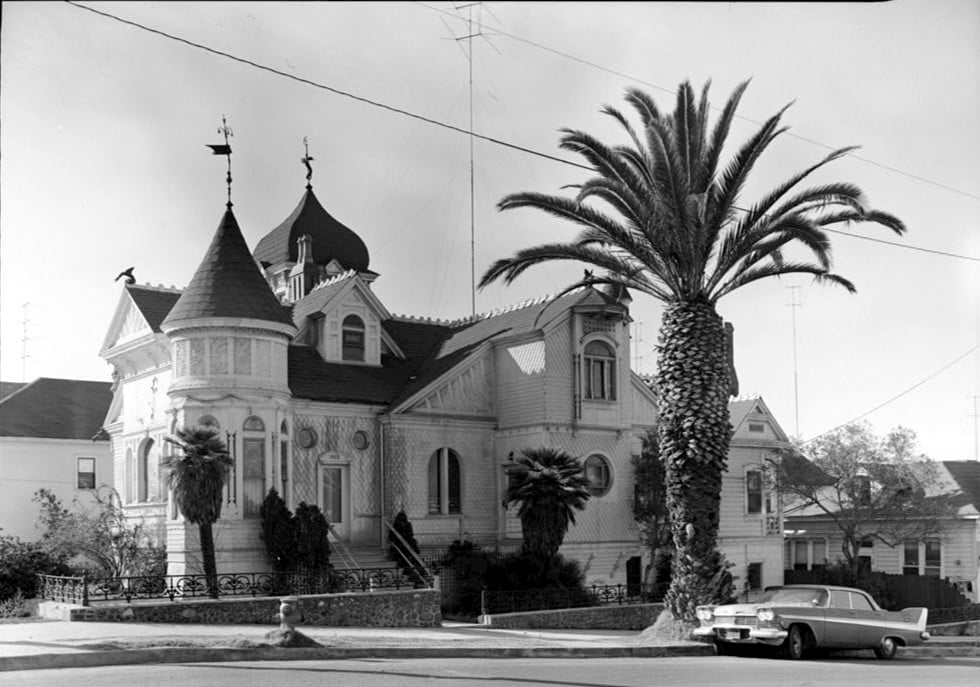
Of the original 22 buildings, only the junior officers' quarters survived. It sat in various states of use and disuse for over a century before the Drum Barracks Civil War Museum opened there in 1987. The museum is operated by the City of Los Angeles Department of Recreation and Parks and holds Civil War-era artifacts including a Gatling gun, period furnishings, documents, and a detailed scale model of the original post.
Sources
- https://en.wikipedia.org/wiki/Drum_Barracks
- https://www.legendsofamerica.com/ca-drumbarracks/
- https://www.battlefields.org/visit/heritage-sites/drum-barracks-civil-war-museum
- https://www.drumbarracks.org
ApparitionsPhantom soundsPhantom footstepsOlfactory phenomenaTemperature anomalies
The accounts at Drum Barracks have a longer institutional paper trail than most. The museum's own staff, including longtime director Marge O'Brien, have described witnessing unexplained activity: footsteps and the sound of dragging chains when no one was present, tobacco and pipe-smoke odors appearing in closed rooms, and objects moving or disappearing in the Model Room.
The most consistently reported figure is a woman referred to as Maria, who appears in period hoop skirt attire and is accompanied by a distinctive lavender and violet perfume scent. One account from a city exterminator described encountering a man in Civil War dress in the kitchen asking for water, and asking for someone by that name. A guide reported watching a window blind rise slowly on its own after she had left the room and locked the door.
The Unsolved Mysteries segment that aired October 28, 1992 — narrated by Robert Stack and titled 'Civil War Ghosts' — brought national attention to the building and featured interviews with staff who described seeing apparitions of soldiers. A Most Haunted episode in 2005 also investigated the site.
The Model Room draws the most specific accounts: visitors describe smelling tobacco and perfume there, hearing items being moved, and sensing a watching presence. Whether the hauntings represent soldiers who died near the post, a civilian woman connected to the officers' quarters, or residue from the building's own history is not established — only the consistency of the reports across decades and witnesses.
Notable Entities
Maria (woman in hoop skirt)Civil War officer apparition
Media Appearances
- Unsolved Mysteries (television, 1992)
- Most Haunted (television, 2005)
Where this legend is told