Est. 1922 · State Industrial Farm for Delinquent Women · Agoston Haraszthy Buena Vista Winery · California Women's Incarceration History
The land at 1000 Vineyard Lane has been worked almost continuously for 170 years. Count Agoston Haraszthy established Rancho Buena Vista here in 1857, planting what would become California's first significant commercial wine operation. By 1862 he had brought in San Francisco investors to form the Buena Vista Viticultural Society, which called itself the largest winery in the world at its 1870 peak. Haraszthy was pushed out, sailed to Nicaragua, and disappeared in 1869. Phylloxera wiped out the vineyards starting in 1873, forcing liquidation by 1879.
The property passed to Kate Johnson in 1881, who became locally famous for her 350 cats and a 42-cat painting that sold at auction in 2015 for $826,000. Johnson maintained the grounds through the early 20th century.
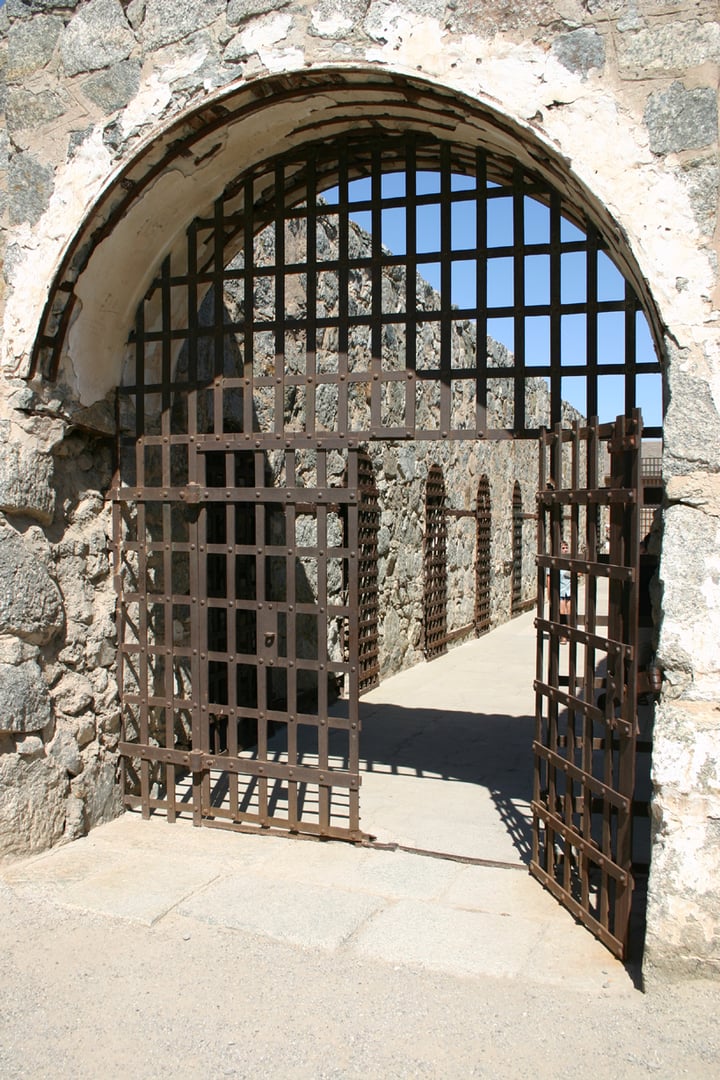
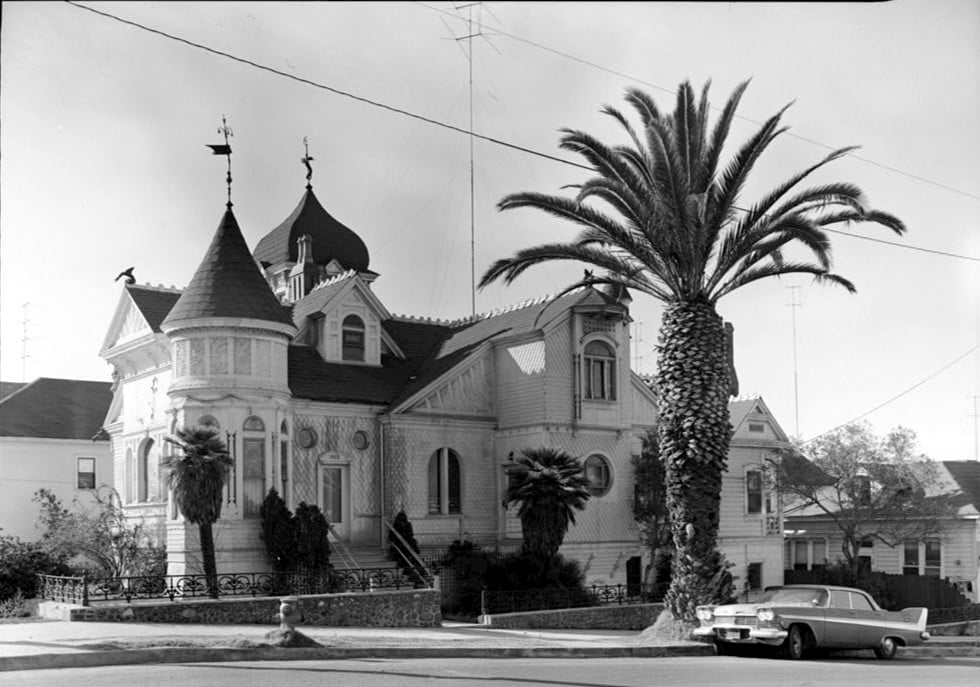
In 1921, California purchased the property for an experiment in gender-responsive incarceration: the State Industrial Farm for Delinquent Women. Women arrested under the 1918 Chamberlain-Kahn Act — which authorized detention of women 'reasonably suspected' of prostitution without requiring evidence of an actual crime — were sent here. By November 1922, the farm held 54 inmates. A hospital was constructed that year; the building that still stands today.
On March 12, 1923, the main Buena Vista Castle on the property burned to the ground. Investigators attributed it to a defective flue; the farm operated on an honor system without guards. The reform program collapsed and closed that same year. The site paved the way for the California Institution for Women in Tehachapi, opened in 1933.
Antonia Bartholomew and her husband purchased 485 acres here in December 1943 and spent decades reviving the winery. The Bartholomew Foundation, established to hold the property in perpetuity, opened Bartholomew Estate Winery in 2019 as a fully foundation-owned operation with all profits directed to site conservation.
Sources
- https://bartholomewpark.org/history/
- https://www.pressdemocrat.com/2023/10/19/photos-sonomas-brief-experiment-with-a-reformatory-farm-for-delinquent-women/
- https://en.wikipedia.org/wiki/Bartholomew_Park_Winery
Phantom voices (hymns)Phantom singing (cellar)ApparitionsUnidentified remains found in basement
The cellar beneath the Bartholomew estate winery building served, during the 1921–1923 reform farm period, as housing for the women confined there. After the winery operation reopened decades later, employees noticed something in the space that had no obvious explanation: voices. Ghost hunter Jeff Dwyer, who documented the property in detail, wrote that 'a short time after the winery opened, employees heard voices singing in the cellar that once housed prisoners. The choir is heard in the afternoon and again late at night. Hymns are the usual choice.'
The basement of the main building carries a different account. During a 1970s seismic retrofit of the structure, workers reportedly found the remains of an incarcerated woman behind a basement wall. The circumstances of her death and interment there have not been explained in any documented source. Sonoma Magazine's haunted wineries feature and other accounts repeat the discovery without additional detail — it exists as a persistent local claim without a corresponding archival record.
At least three resident apparitions have been reported on the property by investigators, consistent with a site that functioned sequentially as a wine operation, an incarceration facility, a morgue during its hospital phase, and a winery again. The on-site museum documents the reform farm history; the haunting accounts circulate alongside it in regional press and dark-tourism coverage.
Where this legend is told