Est. 1977 · Lost Dutchman Gold Mine Legend · Jacob Waltz Legend · Arizona State Park System
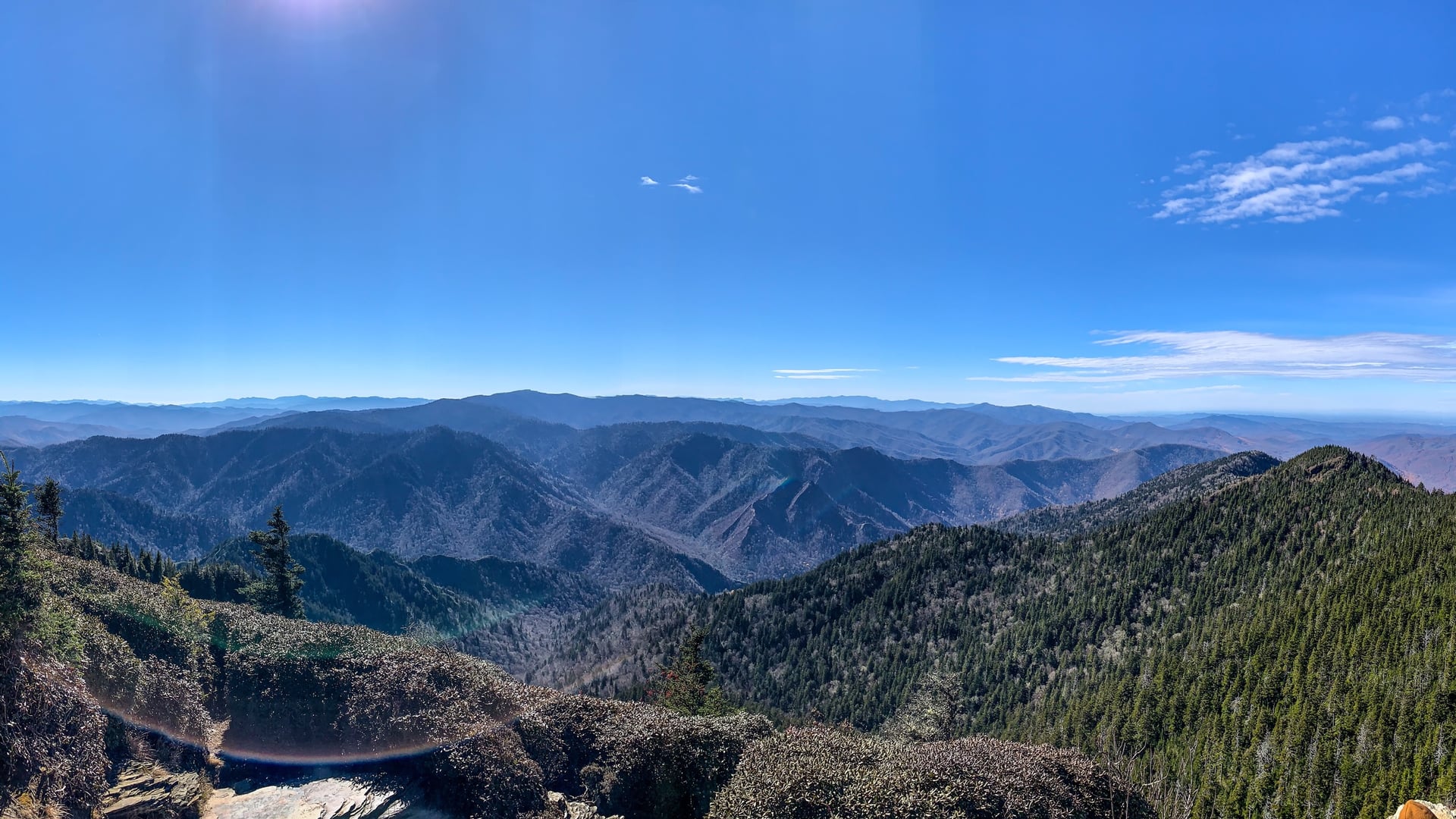
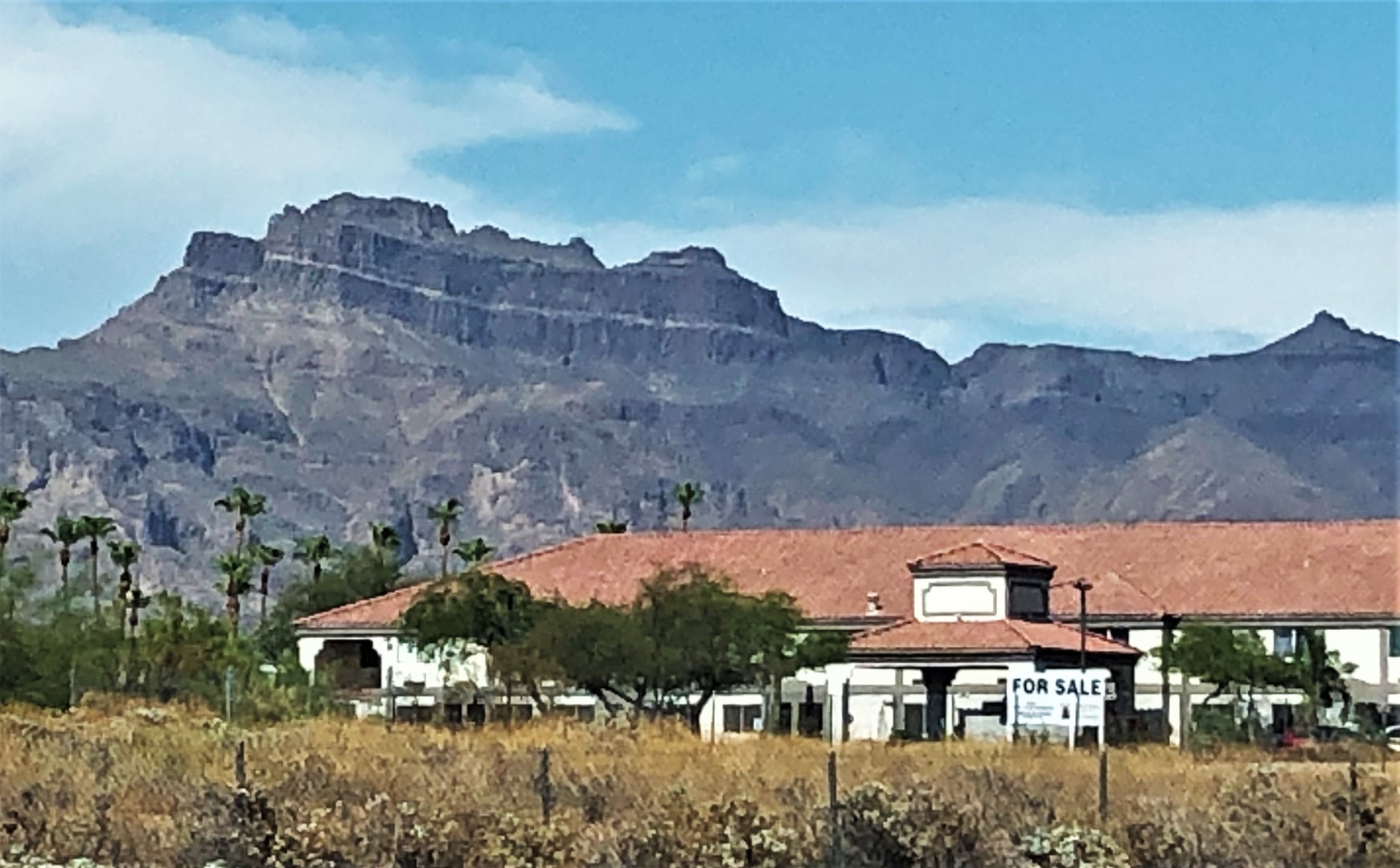
The Superstition Mountains, rising southeast of Phoenix near Apache Junction, have been the site of human activity for centuries. Cliff dwellings and caves in the range show evidence of occupation by the Salado and Hohokam peoples; by the 1800s the area served as Apache territory.
The Lost Dutchman legend centers on Jacob Waltz, a German immigrant who arrived in Arizona in the 1860s. According to accounts assembled after his death, Waltz located a gold mine in the Superstitions — some versions say with the help of a member of the Peralta family, Mexican miners who had worked the range before the Mexican-American War. Waltz and a partner named Jacob Weiser allegedly worked the mine and hid caches of gold in the mountains. Waltz died in Phoenix on October 25, 1891, reportedly describing the mine's location to his caregiver, Julia Thomas. Neither she nor the searchers who followed her could find it.
The search has continued, with documented consequences. Prospector James A. Cravey was airlifted into the mountains by helicopter on June 19, 1947, planning to walk out by June 28. He was reported missing; his decapitated remains were eventually found. Denver resident Jesse Capen, 35, disappeared in December 2009 after a documented history of searching for the mine. In November 2012, a search-and-rescue team found his body in a narrow crevice approximately 180 feet below a ledge he apparently fell from. Wikipedia's article on the mine documents more than 30 deaths connected to the search over roughly 150 years.
Lost Dutchman State Park was established in 1977 and expanded to its current 320 acres in 1983. It provides the primary public trailhead access to the Superstition Wilderness, which is managed by the Tonto National Forest.
Sources
- https://en.wikipedia.org/wiki/Lost_Dutchman%27s_Gold_Mine
- https://azstateparks.com/lost-dutchman/explore/the-dutchman
- https://en.wikipedia.org/wiki/Lost_Dutchman_State_Park
- https://www.westword.com/opinion/jesse-capens-remains-identified-solving-one-lost-dutchman-mystery-5898543/
- https://phoenixghosts.com/superstition-mountains/
Unexplained deathsDisappearancesDisorientation in familiar terrain
The Lost Dutchman Mine is simultaneously a historical riddle and an active hazard. The documented deaths in the Superstitions are not folklore; they are a matter of record, and they extend from the 19th century to within recent memory.
James A. Cravey, a retired photographer, arranged a helicopter drop into the mountains on June 19, 1947, with a planned exit on foot by June 28. He did not emerge. Searchers eventually found his headless remains; the skull was located separately, months later. The cause was never definitively established — accident, exposure, and foul play were all considered.
Jesse Capen, a 35-year-old from Denver, had made multiple trips to the Superstitions and was obsessed, by his own account and by those of people who knew him, with finding the mine. He disappeared in late November or early December 2009. His tent and vehicle were found with supplies intact. In November 2012, searchers located his body lodged in a crevice approximately 180 feet below a cliff edge he apparently fell from.
The mountains themselves contribute to the atmosphere. Apache oral tradition held that the peaks concealed powerful and dangerous forces. Early Apache groups called the area their stronghold and warned outsiders away. Whether those traditions influenced the pattern of accidents and disappearances, or merely provide a framework through which outsiders interpret them, is not a question the landscape resolves.
The mine itself has never been found, and no documentary evidence has surfaced confirming Waltz's mine existed beyond his deathbed description.
Notable Entities
Jacob Waltz (the Dutchman)
Where this legend is told