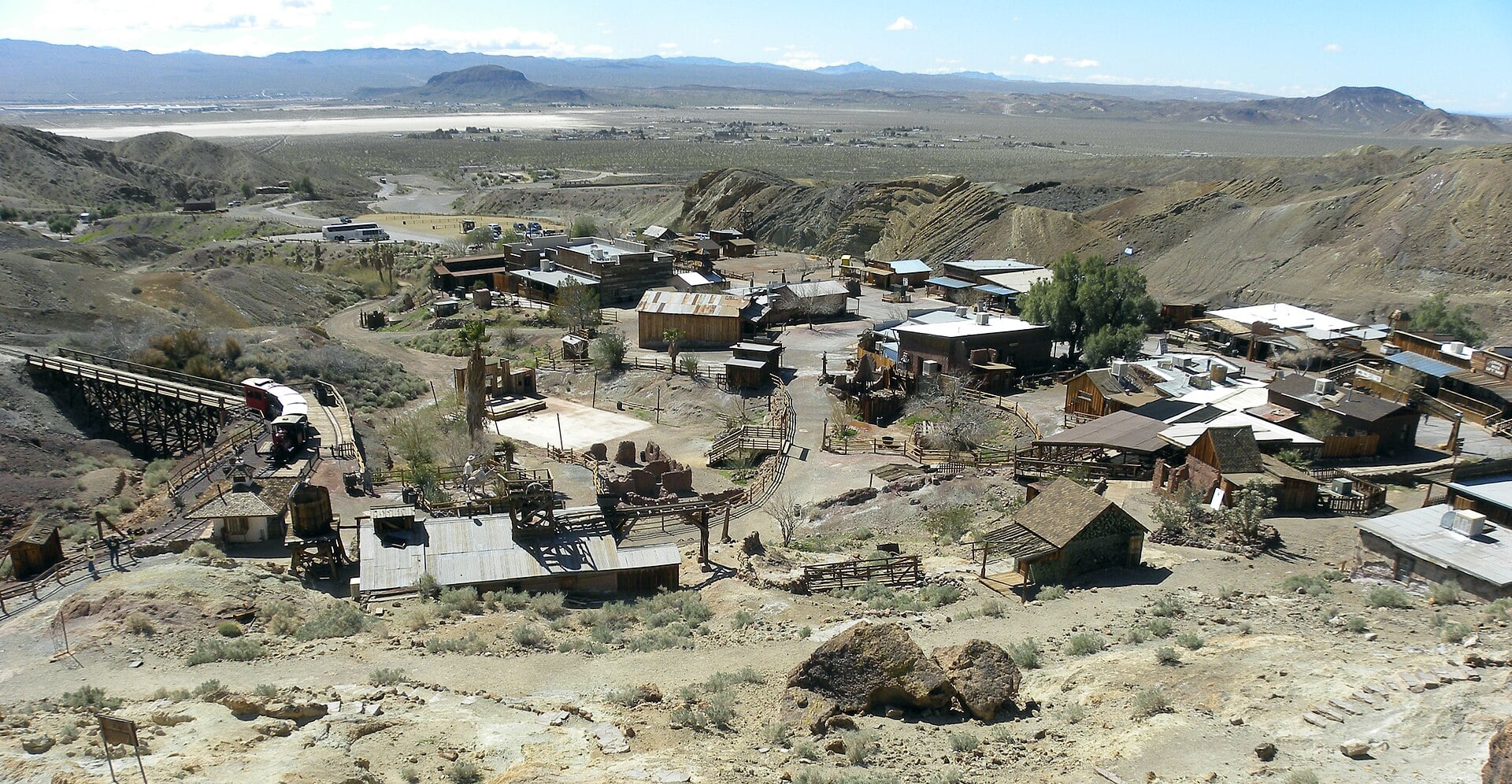
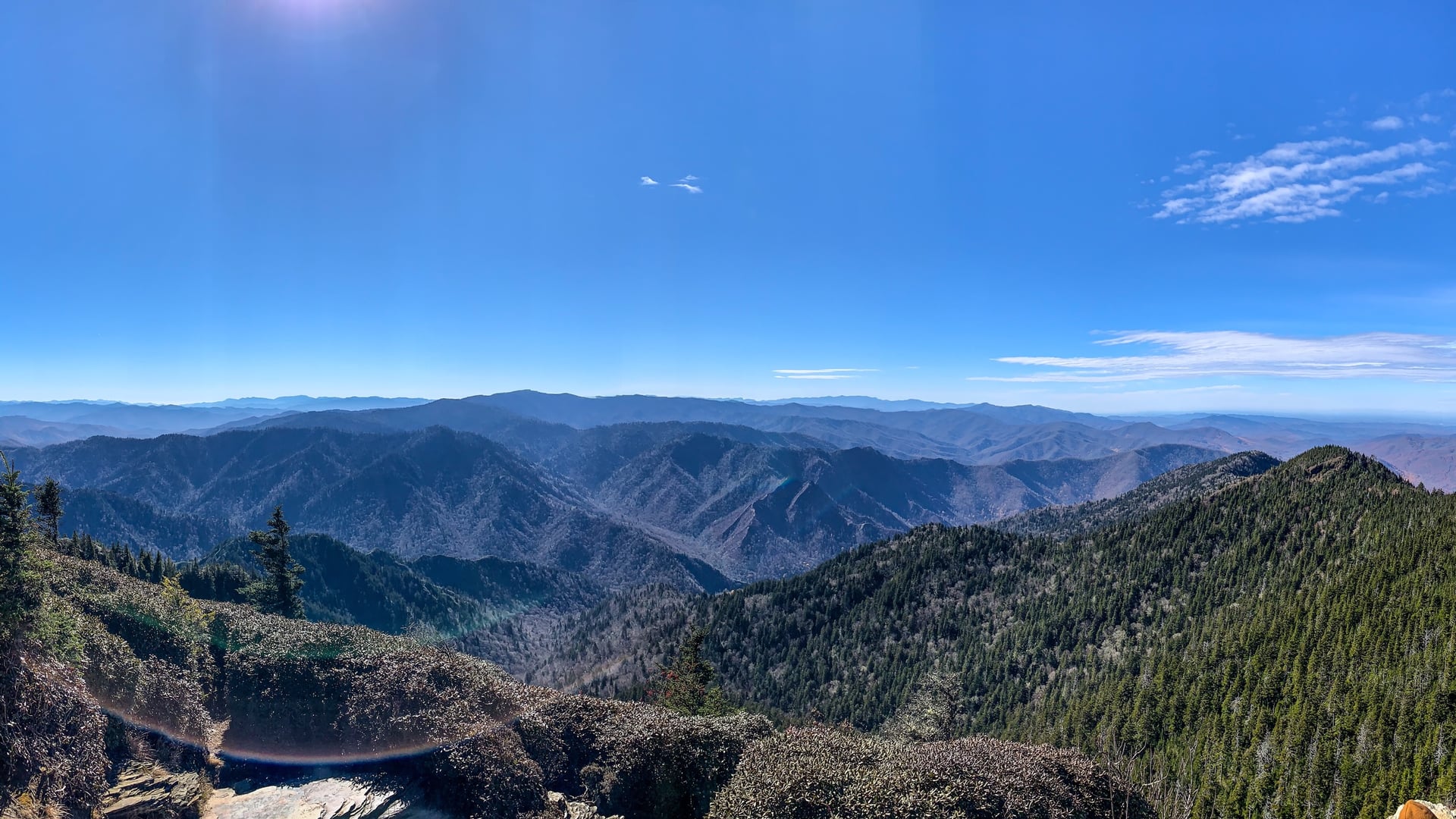
159,757-acre federally designated wilderness within Tonto National Forest · Significant site in Apache and Akimel O'odham spiritual traditions · Site of the Lost Dutchman's Gold Mine legend, one of the most famous treasure stories in the American West · Former Apache stronghold, 19th century · Lost Dutchman State Park established at the western approach
The Superstition Mountains rise dramatically from the Sonoran Desert east of the Phoenix metropolitan area, spanning portions of Maricopa, Pinal, and Gila counties. At their highest point — Mound Mountain at 6,266 feet — they tower over the surrounding basin, visible for miles across the Valley of the Sun. The range encompasses a federally designated wilderness of 159,757 acres, managed by the United States Forest Service as part of Tonto National Forest.
Archaeological evidence documents human presence in the region for thousands of years. Ancient cliff dwellings, cave habitations, and artifacts point to occupation by the Salado and Hohokam peoples centuries before European contact. The Akimel O'odham (Pima) people later inhabited the surrounding lowlands, and the mountain range became an Apache stronghold through the 19th century. Apache traditions hold that the mountains are sacred — the Thunder God's domain — and that a passage to the lower world exists somewhere within the peaks. Local oral history attributes severe dust storms in the Phoenix basin to winds emanating from this mythical opening. The settler name 'Superstition Mountains' itself reflects the awe and unease these indigenous traditions inspired in early Anglo arrivals.
The most famous chapter in the mountains' post-contact history begins in the 1840s with the alleged gold-mining expeditions of the Peralta family. According to legend, a large Peralta party was ambushed and massacred by Apache warriors in 1848 as they attempted to transport a rich gold ore load out of the mountains. Decades later, in the 1870s, Jacob Waltz — a German immigrant dubbed 'the Dutchman' — allegedly rediscovered the Peralta mine and worked it secretly until his death in Phoenix in 1891. On his deathbed, Waltz reportedly described the mine's location to his neighbor Julia Thomas, who published a map and led search parties into the mountains. Neither Thomas nor the hundreds of treasure hunters who followed over the next 130 years have been able to verify the mine's existence. Historians suggest Waltz may have stolen gold from the Vulture Mine near Wickenburg to fund his apparent wealth, and that the mine story was fabricated or embellished.
Sources
- https://en.wikipedia.org/wiki/Superstition_Mountains
- https://azstateparks.com/lost-dutchman/explore/the-dutchman
- https://www.visitphoenix.com/sonoran-desert/parks/superstition-mountains/
- https://www.fs.usda.gov/tonto
Unexplained lights moving at impossible speeds along ridgelines (blue/white glow)Disembodied screams and whispersShadowy figures reported on trailsPersistent sense of surveillance or being watchedSudden disorientation reported by hikers
The paranormal reputation of the Superstition Mountains is inseparable from the indigenous spiritual traditions that predate European settlement. According to Apache oral history, the Thunder God resides within the mountains, and a passage to the lower world lies somewhere in the peaks. Severe dust storms rolling across the Phoenix metro area are attributed in traditional accounts to winds blowing from this opening. The mountains were treated as deeply sacred and potentially dangerous ground — a spiritual boundary that commanded respect.
European and American settler contact layered additional legend onto this foundation. The Lost Dutchman's Gold Mine story — one of the most enduring treasure legends in the American West — has drawn seekers into the backcountry for over a century. Several of those seekers met with unexplained deaths or disappearances, which local lore attributes to a curse protecting the hidden mine. The mystery of Jacob Waltz's alleged gold, combined with the rugged and disorienting terrain, has produced a tradition of suspicion and danger that lingers in the regional imagination.
Contemporary visitors consistently report phenomena that resist easy explanation: lights moving along the ridgelines at speeds impossible for hikers, sometimes glowing blue or white rather than the yellow of headlamps; disembodied screams and whispers heard at distance; and an acute, persistent sense of being watched. Ghost Adventures filmed an investigation in the area. Multiple independent sources — including Phoenix-area news coverage and regional outdoor publications — document hiker accounts spanning decades. The mountains' remoteness, extreme terrain, and documented history of disappearances combine to make the Superstitions one of Arizona's most genuinely unsettling outdoor destinations.
Notable Entities
Thunder God (Apache tradition)Lost souls of treasure seekers
Media Appearances
- Ghost Adventures (investigation near Goldfield Ghost Town adjacent to the Superstitions)