Est. 1819 · Documented as Alabama's oldest standing public home · Lifelong residence of artist-poet Maria Howard Weeden (1846–1905) · Listed on the National Register of Historic Places · Weeden's portraits of formerly enslaved Black Alabamians are among the most significant examples of that subject in 19th-century Southern art
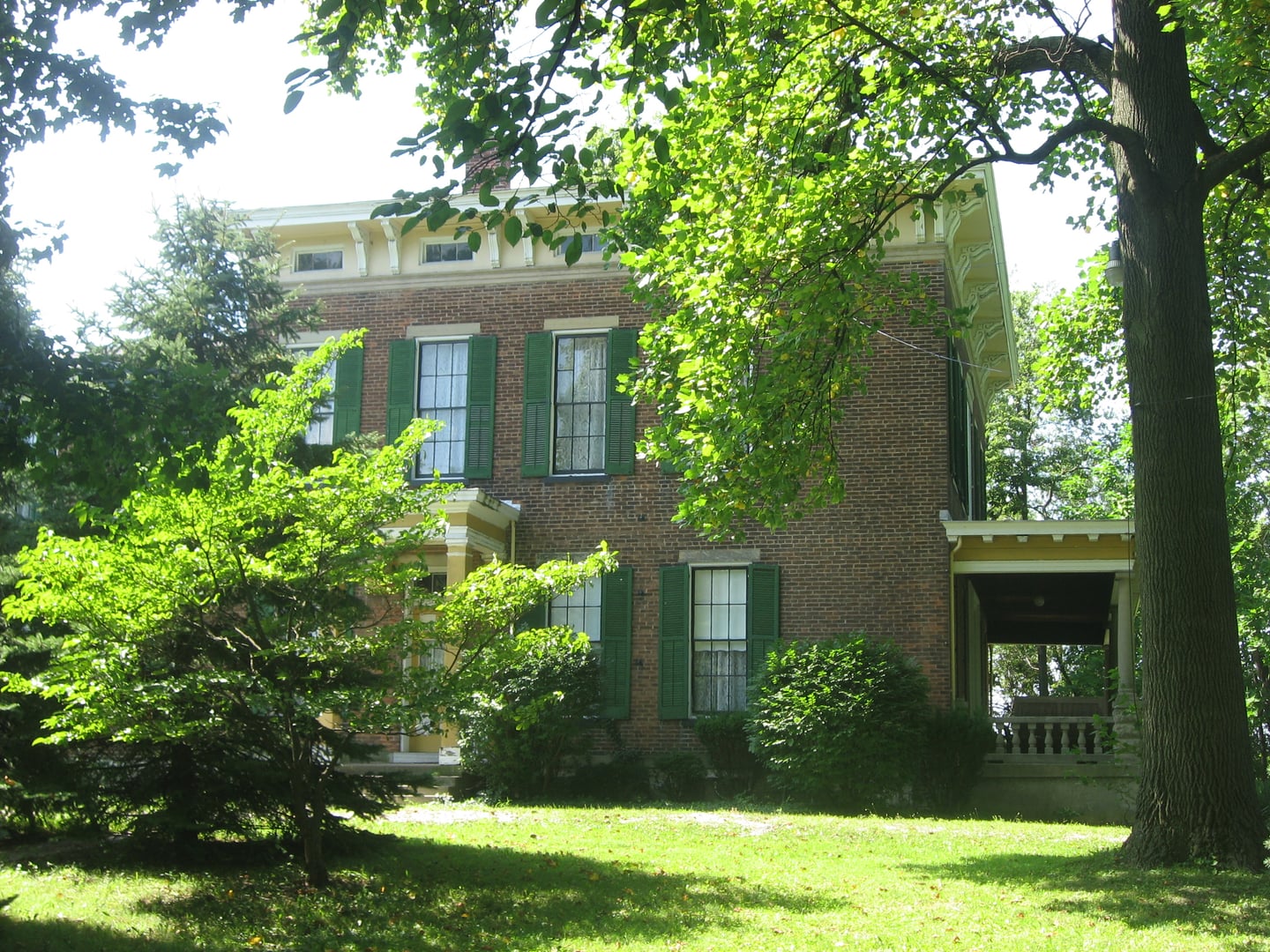
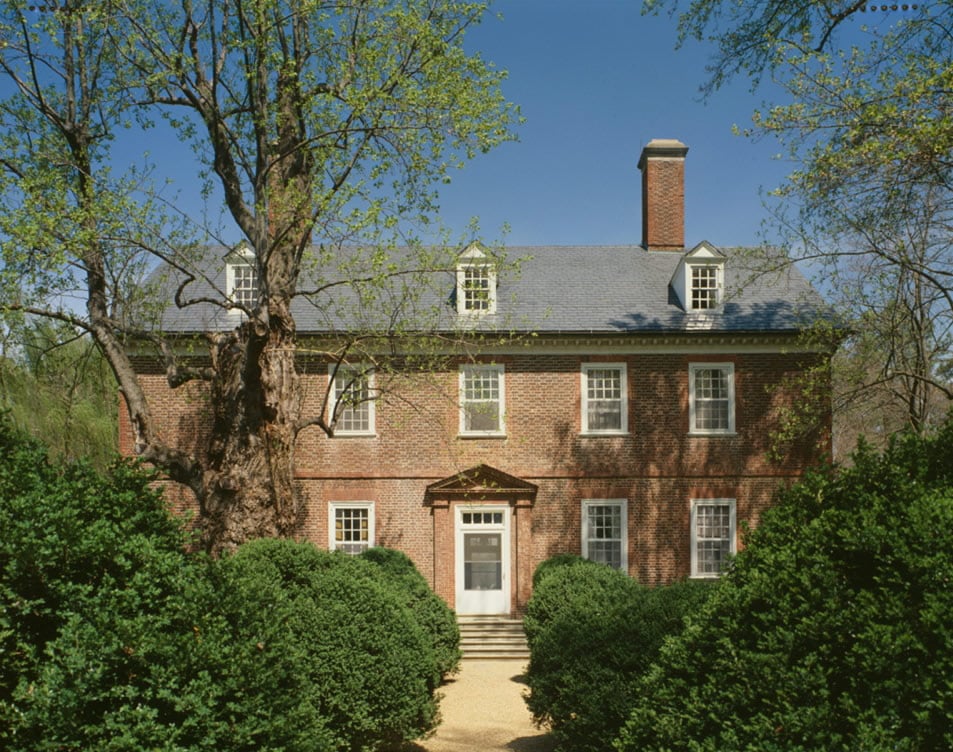
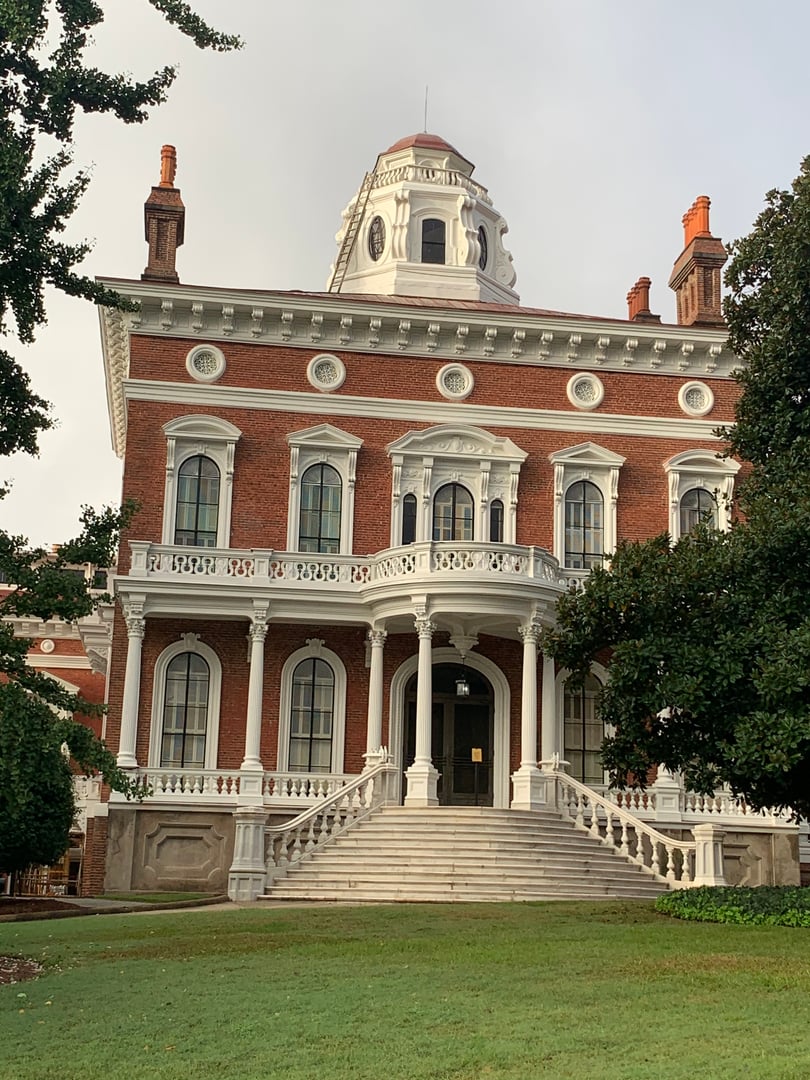
Thomas Weeden built the Federal-style brick home at 300 Gates Avenue in 1819, making it among the earliest surviving residences in Huntsville. The home remained in the Weeden family for generations, most famously occupied by Maria Howard Weeden (1846–1905), an artist and poet who documented the lives of formerly enslaved Black Alabamians through intimate portraits and verse published in volumes such as 'Shadows on the Wall' (1898) and 'Bandanna Ballads' (1899).
Weeden never married and rarely left Huntsville. She was born in an upstairs bedroom of the house and died in that same room on April 27, 1905. Her artwork, which depicted the formerly enslaved people she knew personally, gave their faces and stories a documentary permanence that placed her work in a complicated historical position — sincere in its personal relationships but produced within the context of the Lost Cause era South.
The home is preserved today by the Twickenham Historic Preservation District Association and listed on the National Register of Historic Places. It operates as a museum with original furnishings, Weeden's artwork, and period exhibits. It is regularly included on Huntsville's ghost walk circuits and the city's official 'Ghosts of the Rocket City' tourism literature.
Sources
- https://en.wikipedia.org/wiki/Weeden_House_Museum
- https://deepsouthmag.com/2011/10/19/ghosts-of-huntsville/
- https://www.huntsville.org/blog/list/post/ghosts-of-the-rocket-city-huntsvilles-haunted-history/
Self-chiming clock with no working mechanismRocking chair found relocated from original positionFootsteps on empty staircaseFigure observed peering from upstairs window when house unoccupied
The paranormal accounts at the Weeden House cluster around objects and spaces associated with Maria Howard Weeden, the artist and poet who was born in an upstairs bedroom of the house and died in that same room fifty-nine years later. The most frequently reported phenomenon is a mantel clock with no working mechanical parts that chimes on its own. The clock has been documented in multiple independent accounts by visitors and museum staff, the most detailed appearing in Deep South Magazine's 2011 survey of Huntsville's haunted history.
A rocking chair — reportedly favored by Weeden during her lifetime — is said to be found in different positions from where staff placed it the previous day. Footsteps on the staircase when no one is on the upper floor are a recurring report. Passersby and visitors looking up at the facade have reported a figure visible in an upper window when the house was confirmed unoccupied.
The Huntsville Convention and Visitors Bureau's official ghost tourism page lists the Weeden House among the city's documented haunted locations, citing the clock, rocking chair, and window figure accounts. Because Weeden was born and died in the same room upstairs over a 59-year span in the same building, the identity attributed to these phenomena is consistent across accounts.
Notable Entities
Maria Howard Weeden (attributed apparition)