Est. 1959 · Smallest national forest in the United States · Historically part of the Creek (Muscogee) Nation territory · New Deal soil-restoration reforestation project · Bartram National Recreation Trail corridor
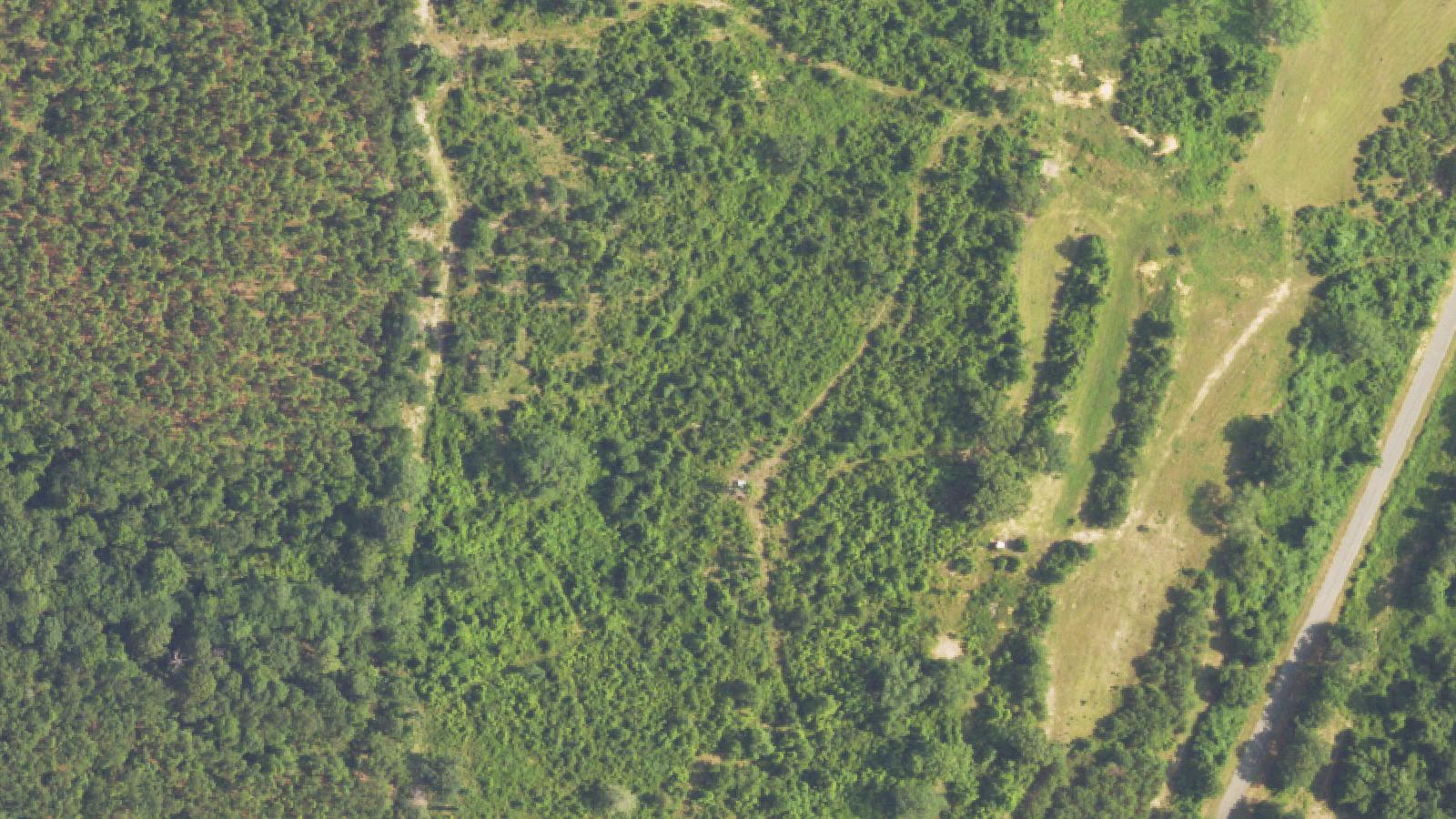
The Tuskegee National Forest in Macon County, Alabama, was established in 1959 as a National Forest unit under the U.S. Forest Service. According to Wikipedia and the Encyclopedia of Alabama, at approximately 11,252 acres it is the smallest national forest in the United States.
The land's history is layered. According to the Wikipedia entry and Encyclopedia of Alabama, the area was historically part of the Creek (Muscogee) Nation. The Indian Removal Act of 1830 led to the forced relocation of approximately 5,000 Creek people from Macon County. After Creek removal, the area was converted to intensive cotton agriculture, which over the following century severely depleted the soils. The land was acquired by the federal government under New Deal-era conservation programs and reforested as a soil-restoration project; the formal National Forest designation followed in 1959.
A recognized recreational asset within the forest is the Bartram National Recreation Trail, named for the late-18th-century naturalist William Bartram who traveled the region and described its flora and fauna in his published journals. The Tuskegee National Forest is administered as part of the National Forests in Alabama by the U.S. Forest Service.
Sources
- https://en.wikipedia.org/wiki/Tuskegee_National_Forest
- https://encyclopediaofalabama.org/media/tuskegee-national-forest/
- https://www.fs.usda.gov/r08/alabama/recreation/tuskegee-national-forest-0
Footsteps reported by hikers on the Bartram TrailVoices in the woodsSense of being watched on quiet stretches of trail
Folklore associated with Tuskegee National Forest, summarized by Only In Your State and Southern Spirit Guide, draws on two distinct historical threads. The first is the Creek Nation displacement history; the area was Creek territory before the 1830 Indian Removal Act forced approximately 5,000 Creek people from Macon County. Local tradition frames any sense of presence on the trails as residual echo of that history. According to Muscogee (Creek) Nation cultural offices' general guidance for media coverage, descriptions of sacred-site beliefs should be attributed to specific tribal representatives rather than narrated by outside writers; HauntBound presents the historical context here and refers readers to the Muscogee (Creek) Nation cultural office for tribal interpretation.
The second thread is a 1990s satanic-panic rumor cluster. According to regional sources, a folkloric story circulated that occult practitioners used an abandoned house in the forest for ceremonies until a local sheriff's office raid in the early 1990s. The specific raid narrative is not corroborated by news archives readily available online and should be treated as regional folklore rather than documented history.
Hikers on the Bartram Trail have, over the years, reported the sound of footsteps following them on the trail, voices in the woods, and unaccountable feelings of being watched. The reports are common to many quiet southern forest trails and are presented here as part of the regional ghost-story landscape rather than as documented investigation.