Est. 1904 · Scottsboro Boys Case (1931) · Powell v. Alabama (1932) — Right to Counsel in Capital Cases · Norris v. Alabama (1935) — Jury Discrimination Ruling · U.S. Civil Rights Trail Landmark
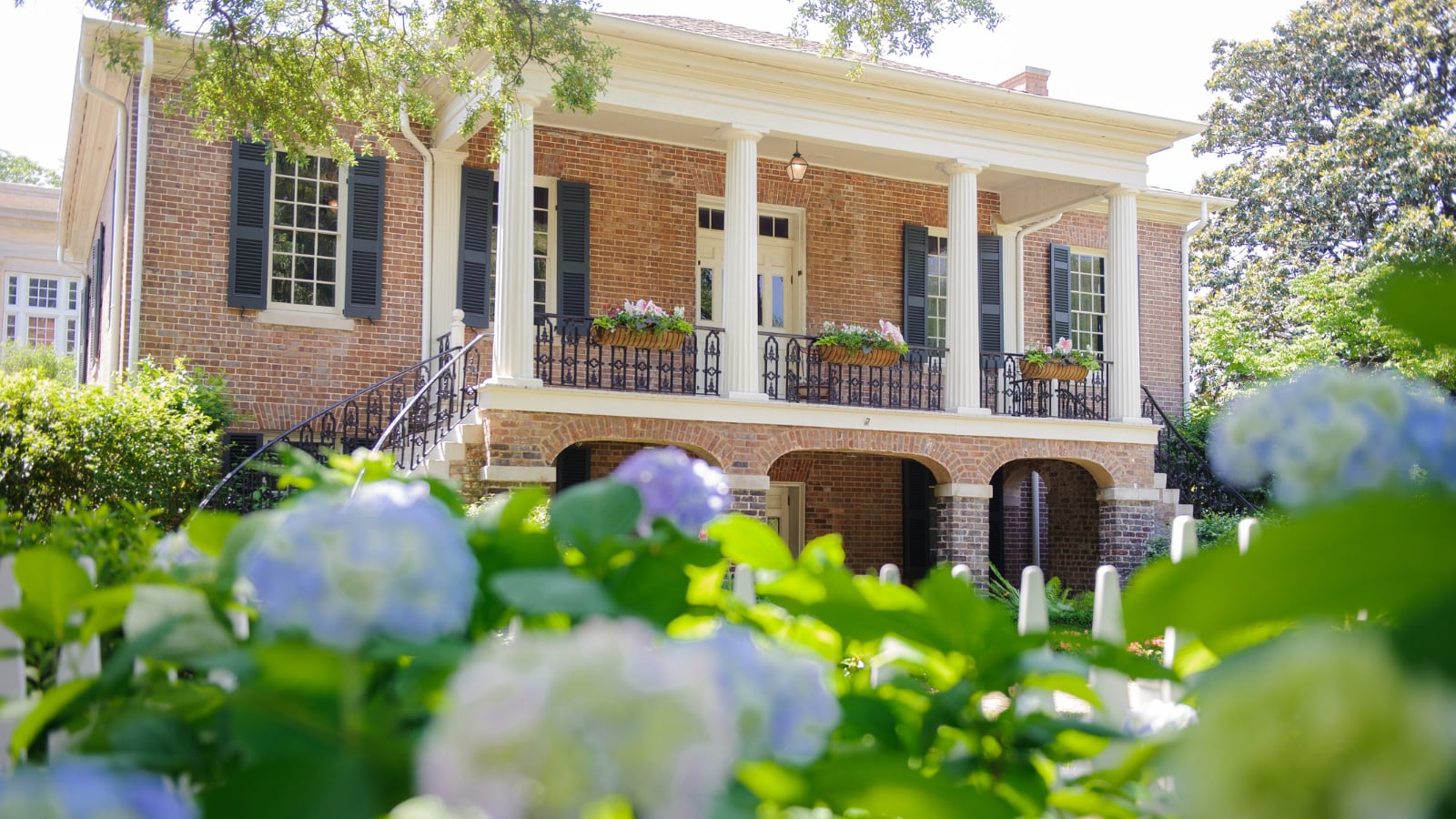
The building at 428 W. Willow Street has stood since 1904 as the Joyce Chapel United Methodist Church. The museum that now occupies it was founded to document one of the most consequential racial injustice cases in American legal history.
In March 1931, nine African American teenagers — ranging in age from 13 to 19 — were arrested on a freight train near Scottsboro and charged with raping two white women. The trials that followed moved with extraordinary speed: within 12 days of the arrests, eight of the nine defendants had been convicted by all-white juries and sentenced to death, with proceedings conducted before crowds outside the courthouse demanding executions. The ninth defendant, Roy Wright, received a hung jury because the prosecutor sought life imprisonment rather than death for someone his age.
Two U.S. Supreme Court decisions arose from the Scottsboro cases. Powell v. Alabama (1932) established that the Sixth Amendment right to counsel applies to capital cases in state court — a foundational due process ruling. Norris v. Alabama (1935) held that the systematic exclusion of Black citizens from juries was unconstitutional, directly addressing the racial composition of the juries that convicted the defendants.
The museum opened in 2010 after years of local opposition. It is now a designated stop on the U.S. Civil Rights Trail and is recognized by the Encyclopedia of Alabama as the primary institutional memorial to the Scottsboro case. The nine defendants — Haywood Patterson, Clarence Norris, Charlie Weems, Ozie Powell, Willie Roberson, Eugene Williams, Olen Montgomery, Andy Wright, and Roy Wright — are the subjects of the museum's commemorative mission.
Sources
- https://en.wikipedia.org/wiki/Scottsboro_Boys_Museum_and_Cultural_Center
- https://encyclopediaofalabama.org/article/scottsboro-boys-museum-and-cultural-center/
- https://civilrightstrail.com/attraction/scottsboro-boys-museum/
The Scottsboro Boys Museum does not market itself as a haunted venue and has no documented paranormal tradition. Its inclusion in the dark tourism landscape rests on the gravity of what occurred: nine teenagers condemned to death on false charges, their fates determined by racially compromised proceedings, in a courthouse two blocks away.
The museum's mission is explicitly commemorative and educational rather than paranormal. Its founding required years of effort against community opposition, and the institution focuses on ensuring that the nine defendants — their names, their cases, and the constitutional principles that eventually arose from their trials — are not forgotten. The building itself, the 1904 Joyce Chapel United Methodist Church, was chosen as a location with community significance rather than for any association with the trials.
For visitors drawn to sites of documented historical injustice, the Scottsboro Boys Museum functions as one of Alabama's most significant dark history destinations — a place where the weight of recorded history, rather than legend, is the primary draw.