Guided Tour
Museum Guided Tour
Docent-led tours of the restored tavern and Civil War hospital ward rooms, including the former ward bedroom where apparitions have been reported.
- Duration:
- 1 hr
HauntBound archive · catalog record
Reported phenomena, as catalogued
Civil War hospital where 33 soldiers died — and some may not have left
203 Hermitage Dr, Florence, AL 35630
Research updated September 2026
Age
All Ages
Cost
$
Small admission fee; contact the museum for current pricing
Access
Limited Access
Historic building with period interiors; stairs to upper floors
Equipment
Photos OK
Est. 1840 · Antebellum Stagecoach Stop · Civil War Hospital · Dual-Use Confederate and Union Medical Site
Built in the 1830s or 1840s as a stagecoach stop and inn along the Natchez Trace corridor, Pope's Tavern was one of the most active travel facilities in northwest Alabama through the antebellum period. The structure's thick log-and-plank construction made it serviceable as a field hospital when the Civil War reached the Shoals region.
During the war, the tavern was pressed into service as a hospital for both Union and Confederate wounded — an unusual circumstance that reflected the chaotic ebb and flow of the Tennessee Valley campaign. Records document 33 soldiers who died in the building, including men from both sides who received care in the same wards. The ward bedroom on the upper floor reportedly saw the highest concentration of amputations and fatal cases.
The city of Florence acquired the property and it now operates as a museum dedicated to the Civil War era and the broader 19th-century history of the region. The Encyclopedia of Alabama confirms its significance as a documented stagecoach stop with a verifiable Civil War hospital record, making it one of the more historically substantiated dark-history sites in the Shoals area.
Sources
The former ward bedroom, the room in this 1830s stagecoach inn turned Civil War hospital where the largest number of surgical amputations are said to have occurred, is the center of most paranormal reports at Pope's Tavern. Witnesses have described seeing figures with missing limbs, particularly during evening hours. The smell of blood, described as metallic and sudden, has been reported by multiple staff members in the same room.
Acoustic anomalies are the most consistently reported phenomena: screaming and moaning from unoccupied portions of the building, and rhythmic knocking that has no identifiable source. The reports have been consistent enough that Pope's Tavern earned a spot as a featured stop on Florence's organized ghost walk circuit, where guides present the historical context alongside the paranormal claims.
The building's documented history of 33 deaths over an active wartime hospital period gives the site a factual anchor that distinguishes it from venues relying solely on local legend.
Docent-led tours of the restored tavern and Civil War hospital ward rooms, including the former ward bedroom where apparitions have been reported.
Pope's Tavern is a featured stop on the Haunted History of the Shoals Ghost Walk, with guides detailing the Civil War hospital history and documented paranormal reports.
Some links on this page may earn HauntBound a small commission when you book, at no extra cost to you. Our editorial picks are independent. Full disclosure
Every HauntBound history is researched from documented sources. We clearly separate verified historical fact from paranormal folklore.
Free Guide
11 verified stops, rated for families, mapped in order. Free.
One email to confirm, then the guide link. Unsubscribe anytime.
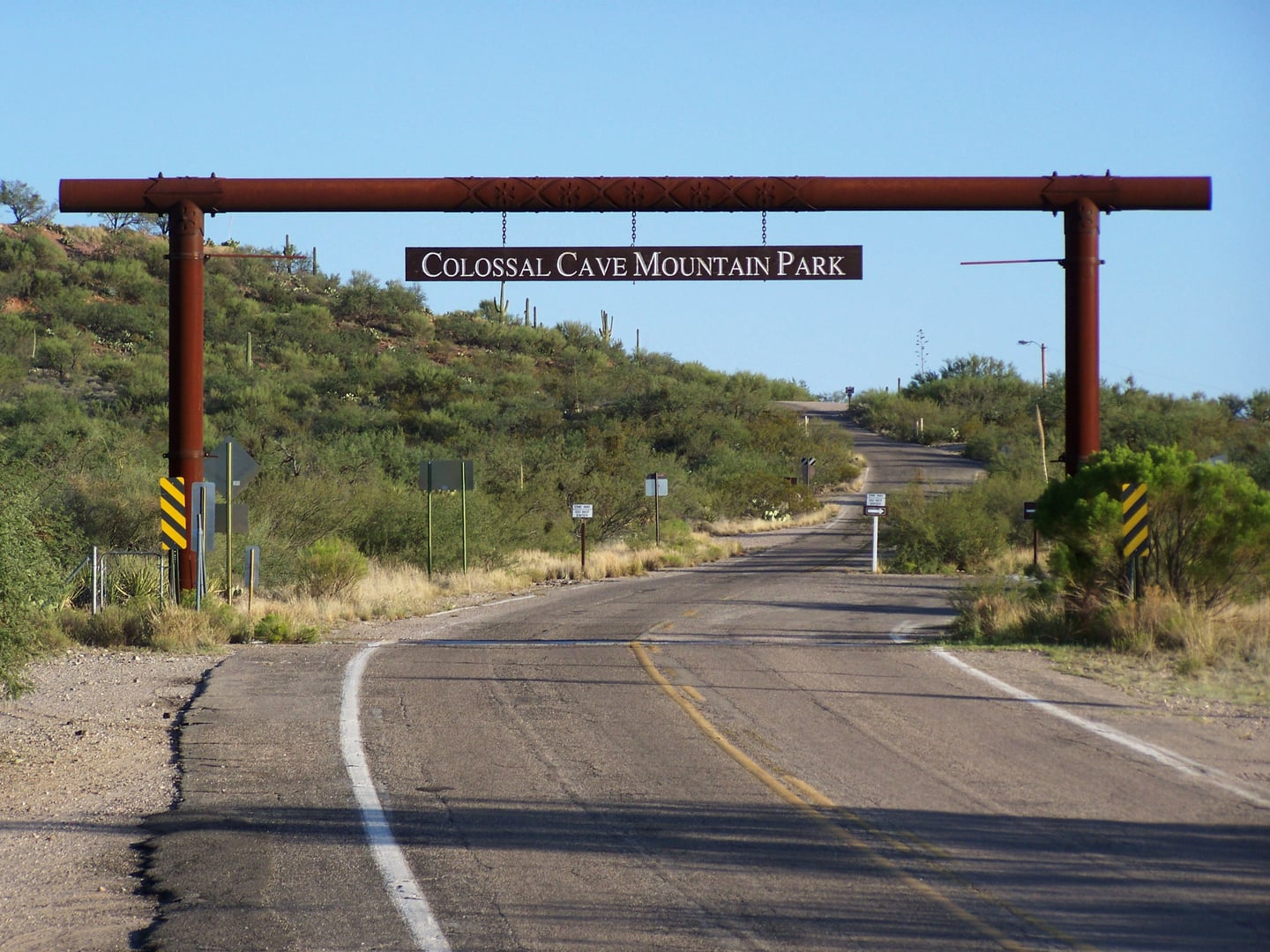
Vail, AZ
Colossal Cave Mountain Park preserves a dry limestone cave 15 miles southeast of Tucson that is associated with the operator’s Bandit Legend. Frank Schmidt, one of the cave's early developers, spent much of his life documenting and preserving the caverns before his death.
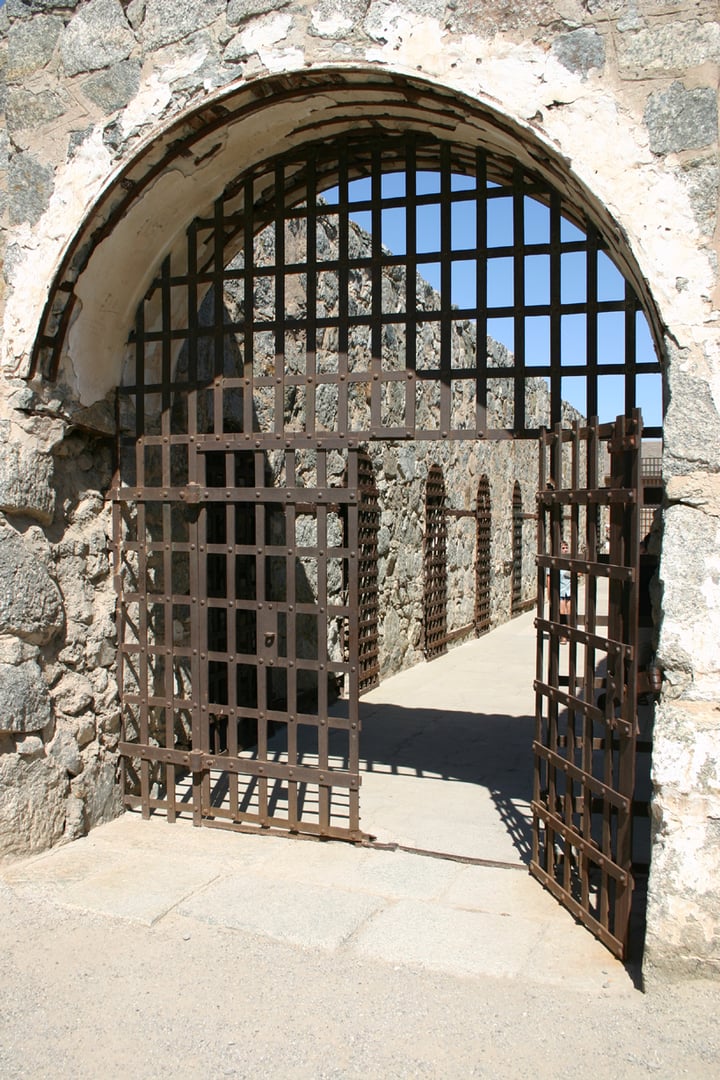
Yuma, AZ
Yuma Territorial Prison operated from 1876 to 1909 on a bluff overlooking the Colorado River in Yuma, Arizona. It held 3,069 prisoners during its 33-year operation, including 29 women. The facility became a state historic park and has been voted by USA Today readers as the Best Haunted Destination in the nation.
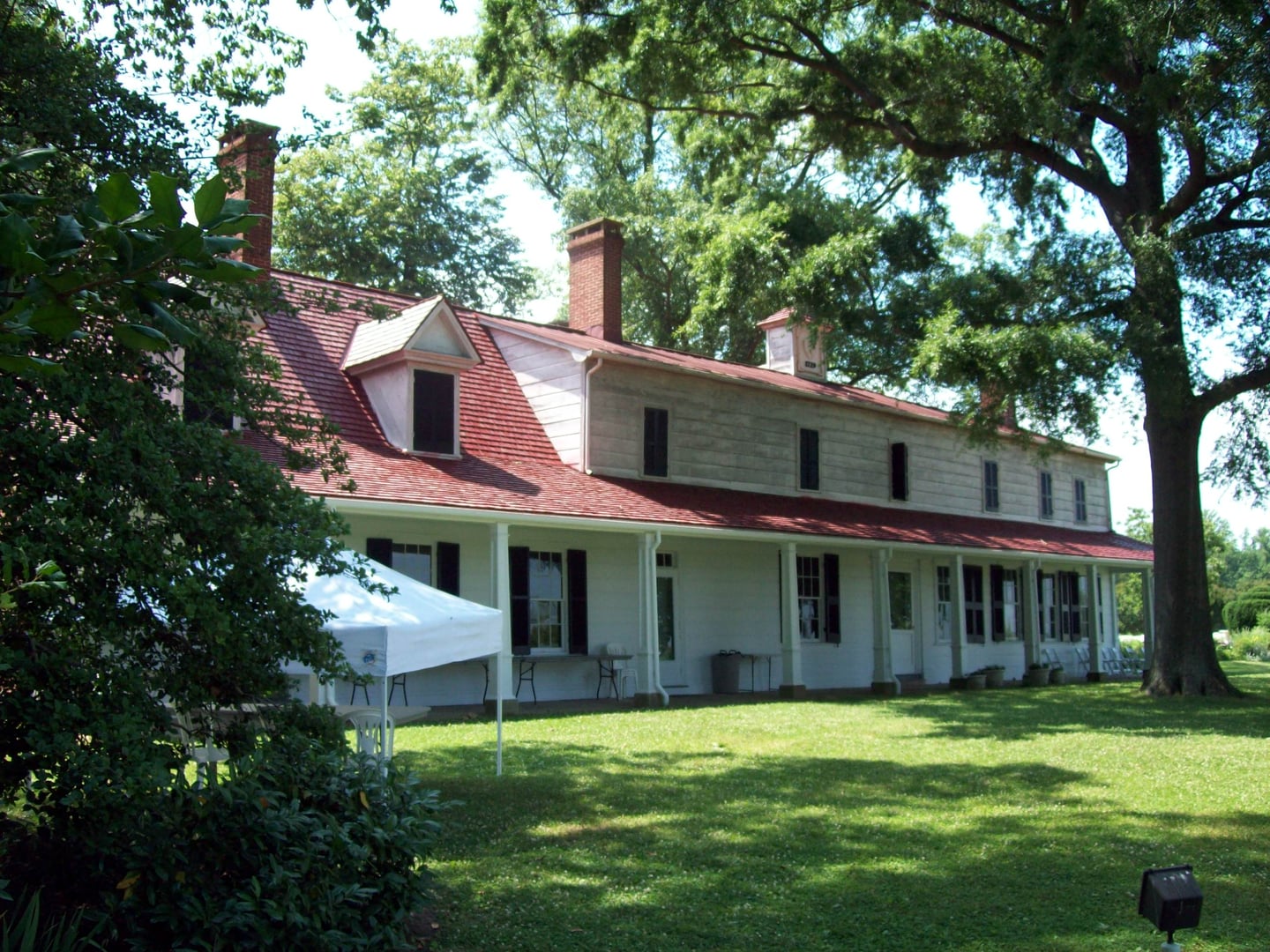
Hollywood, MD
Historic Sotterley is the only tidewater plantation in Maryland open to the public, with a 1703 Manor House and an 1830s slave cabin standing on 94 acres above the Patuxent River. It is a National Historic Landmark and a UNESCO Site of Memory tied to the Trans-Atlantic Slave Trade.