Est. 1896 · Alabama Register of Landmarks and Heritage (2018) · Industrial Mill Village History
The Buck Creek Cotton Mill was founded in 1896 by Thomas C. Thompson on land that had once been used to muster the Shelby County Volunteers for service in the Creek Indian War. The mill went through three names across its first 15 years of operation. It was originally called the Selma Cotton Mill, then renamed the Siluria Cotton Mill Company in 1902, and finally the Buck Creek Cotton Mill in 1911.
The physical mill grew quickly. The main mill section, including the 75,000-gallon water tower, was constructed in 1903-1904, with a main office section added in 1906. As the operation expanded, Thompson built an entire mill village around it: a row of cottages for workers, a school, a hotel, a ballpark, a clubhouse, a jail, and a medical dispensary. Many of the workers were former sharecroppers driven off the land by poor cotton yields, and the company-built houses functioned as both housing and labor magnet.
In April 1953 a tornado tore through the community and forced the mill to shut down for nearly a year for repairs. The original water tower survived the storm. The mill changed hands in 1968, was sold to Canon Textile Mills in 1972, and closed permanently in May 1979.
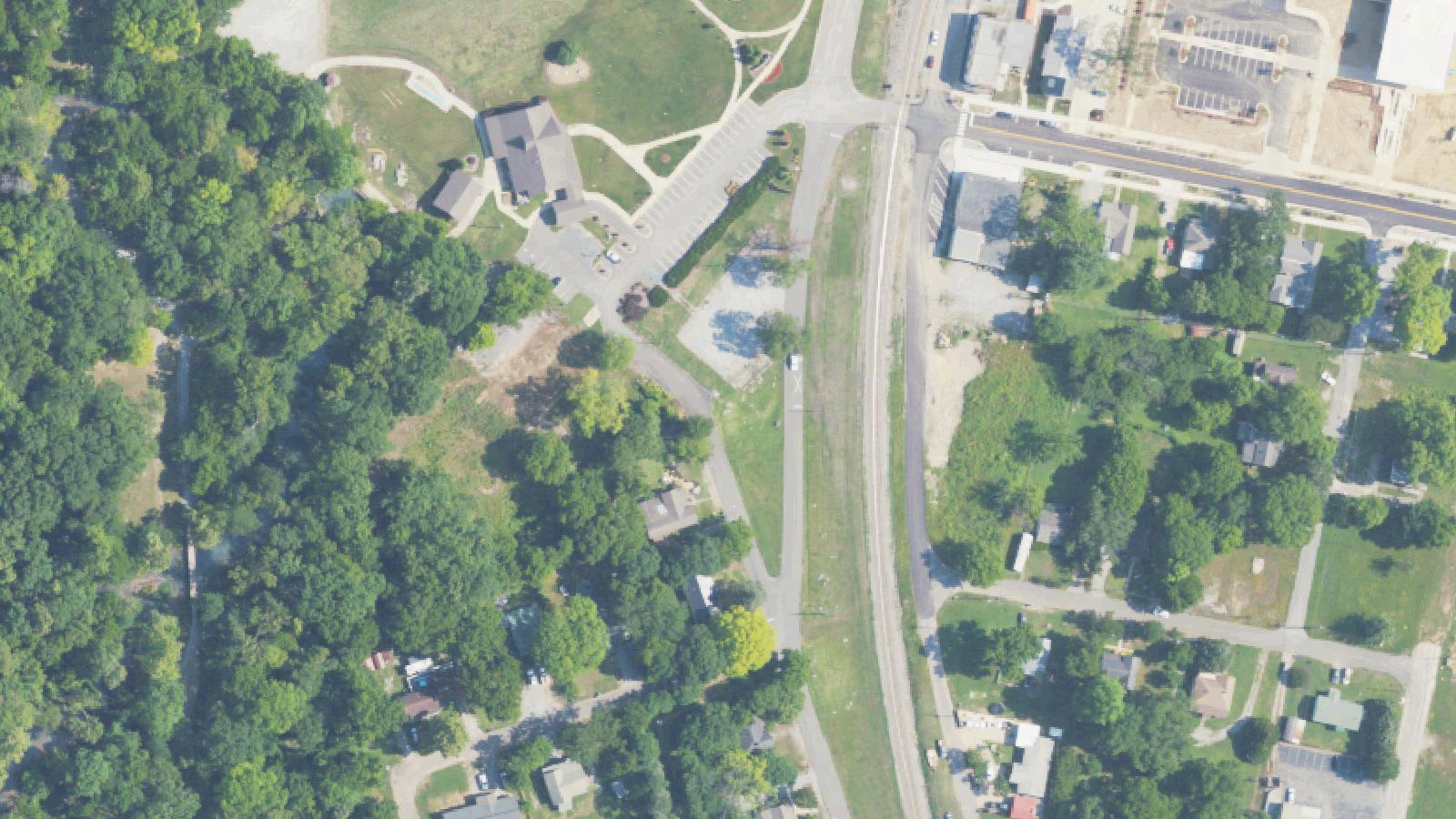
The site sat largely abandoned for nearly 25 years. In 2003 the city of Alabaster purchased the defunct mill and 22 surrounding acres. Demolition began in August 2007 under contractor Granger Grading of Alexander City, with the original plan to retain the jail, the water tower, and the office building. By January 2008 most of the complex was gone. In early 2009 the office building was also taken down due to structural damage from the adjoining demolition. Only the water tower and the former mill jail survive. Both were listed in the Alabama Register of Landmarks and Heritage on March 29, 2018. The site is now part of the city's Buck Creek Trail recreational corridor.
Sources
- https://www.bhamwiki.com/w/Buck_Creek_Mill
- https://digitalalabama.com/alabama-ghost-towns/alabaster-old-buck-creek-cotton-mill/6534/
- https://www.shelbycountyreporter.com/news/saving-silurias-storied-past-future-uses-to-preserve-historic-mill-11944/
- https://www.shelbycountyreporter.com/2017/08/14/mill-memories-live-on/
Cold spotsPhantom sounds
The Buck Creek Cotton Mill's haunted reputation took shape during the long abandonment between the mill's 1979 closure and the city's 2007-2009 demolition. Visitors who entered the deteriorating buildings during that period reported cold spots in the deeper interior rooms, unexplained sounds, and dark stained areas in some of the manufacturing zones, originally interpreted in the Shadowlands account as blood spots.
None of these reports can be checked against the original architecture, which is gone. The mill operated for 83 years as an industrial cotton facility, and any documented occupational injuries belong to that long working history rather than to a discrete incident. The mill village around the plant once supported a hotel, a school, and a jail, and any surviving reputation attaches most strongly to the small mill jail building, which is still standing and is now an Alabama Register landmark.
The site as visitors experience it today is fundamentally different from what the original Shadowlands entry described. There is no longer a 'mill in bad shape' to enter. The water tower stands; the jail stands; everything between them is open trail.