Est. 1886 · Late Victorian Architecture · National Register of Historic Places (1993) · Gunn Family Legacy Property
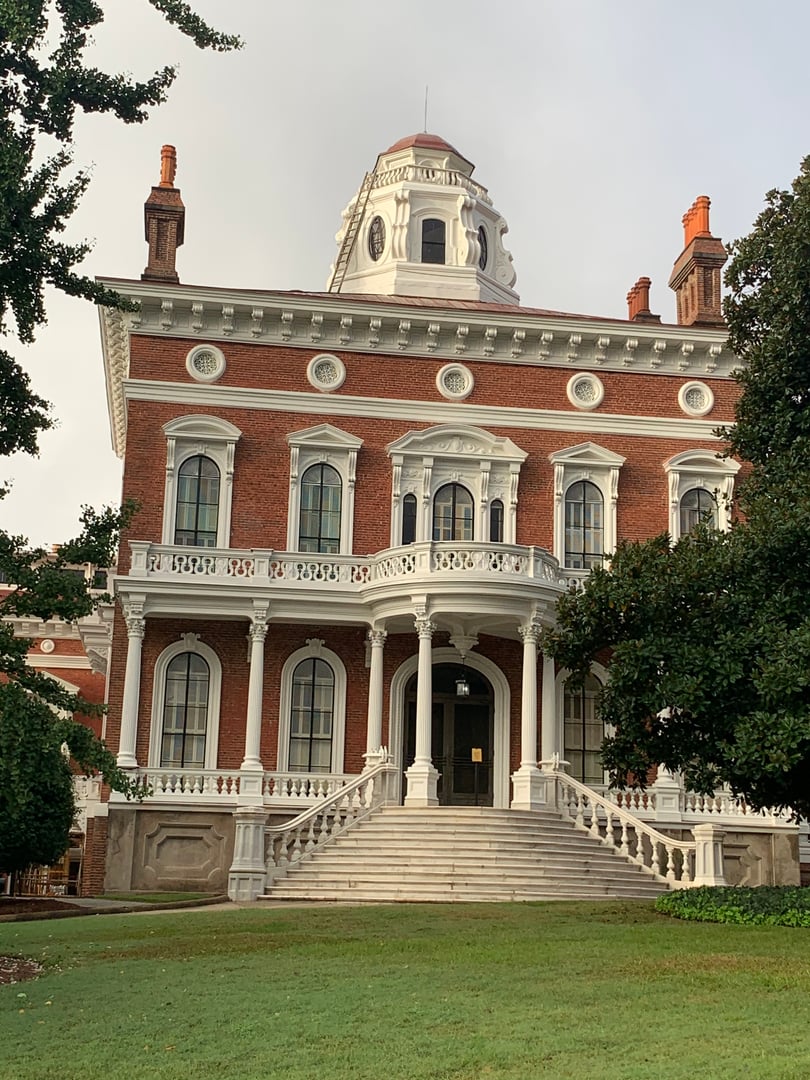
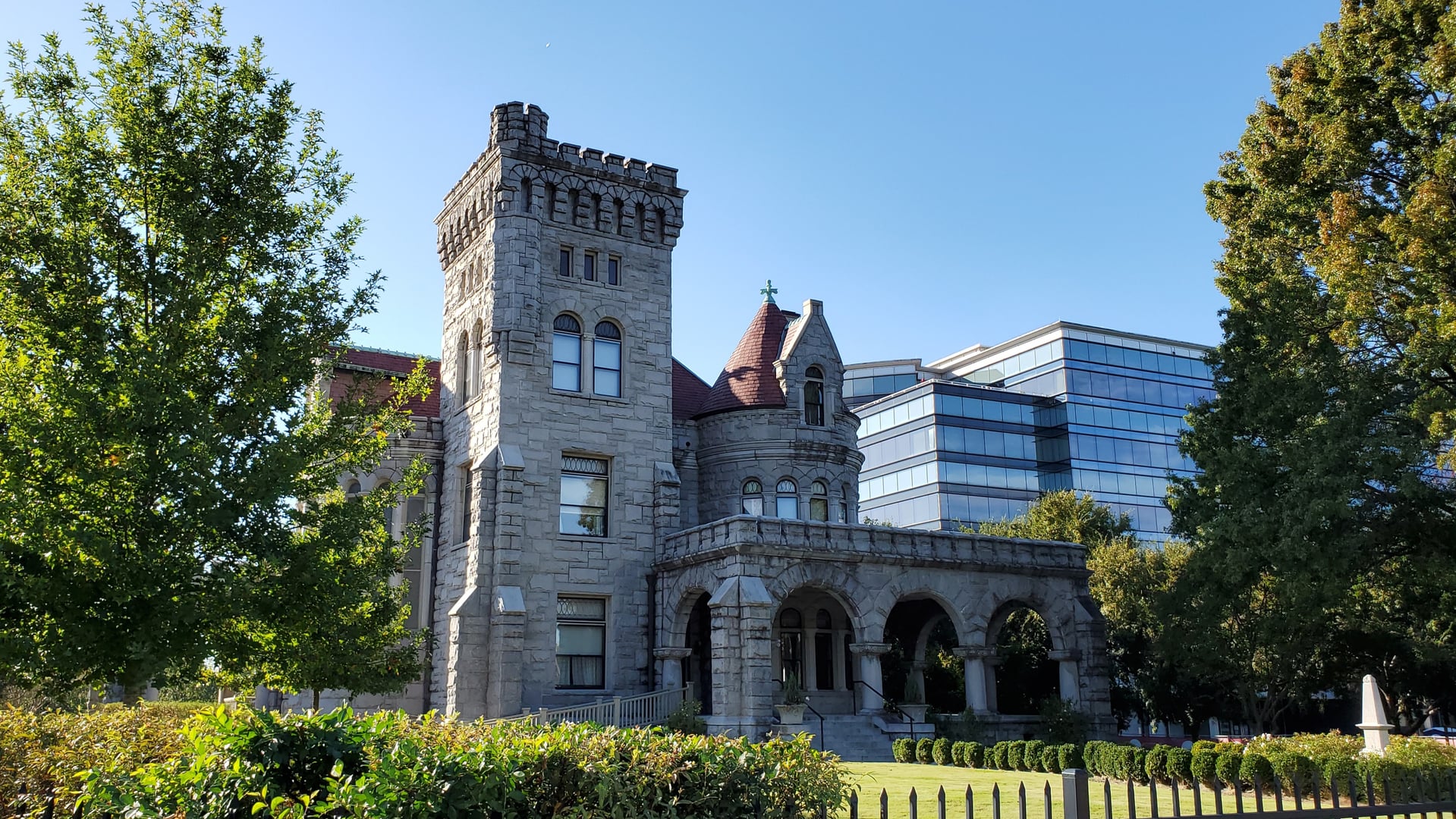
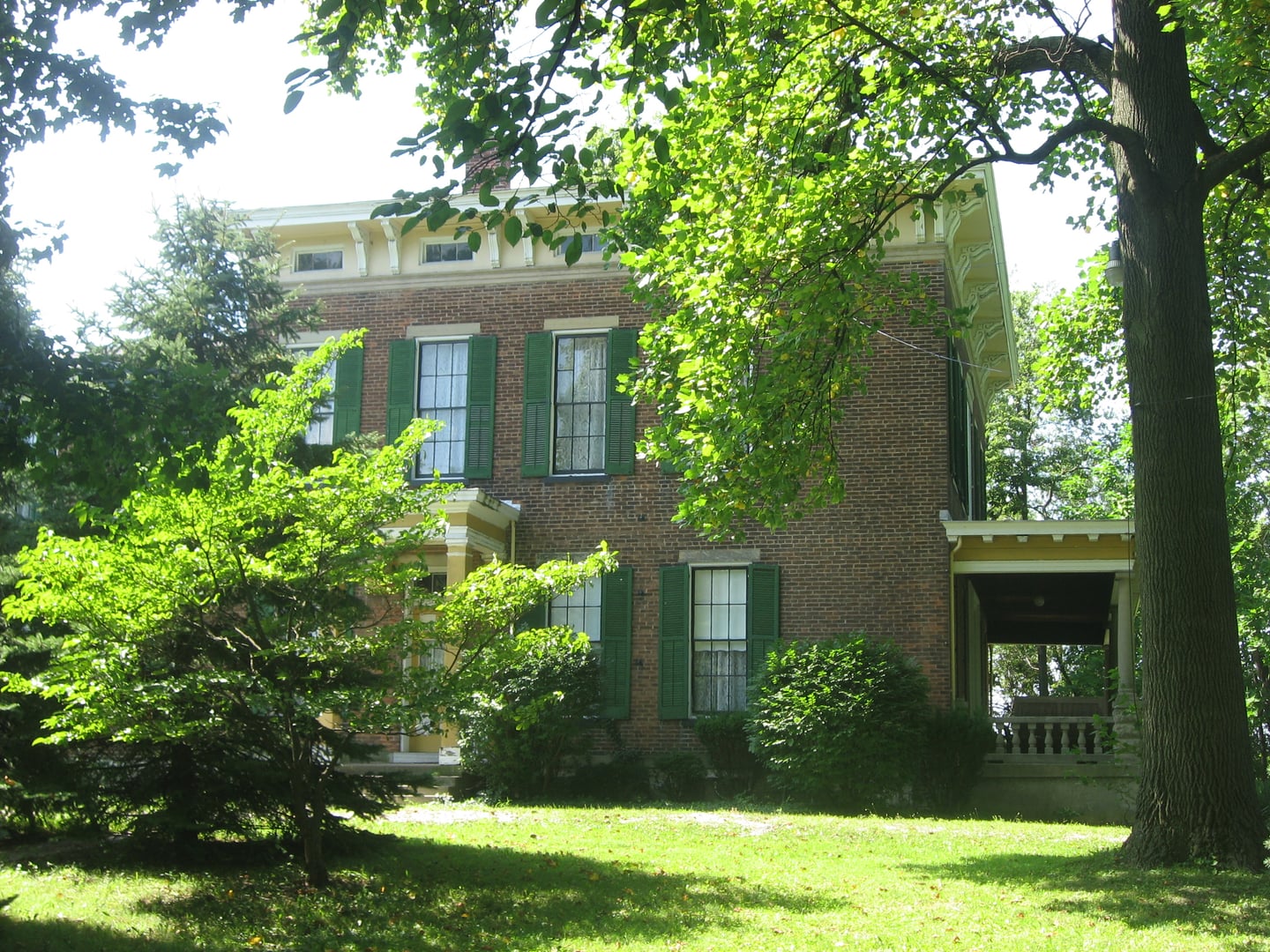
The Gunn-Bellenger House was constructed in 1886 during the height of the Late Victorian architectural period. Located on Chestnut Street in Gadsden, the house reflects the ornate detailing and high-pitched rooflines characteristic of the Queen Anne and Victorian styles that were fashionable in prospering Alabama industrial towns of the era.
The property remained in the Gunn family for over a century before Charles Gunn bequeathed it to the city of Gadsden upon his death in 1990. The Etowah County Historical Society took over stewardship of the building and pursued its listing on the National Register of Historic Places, which was granted in 1993. According to the Historical Marker Database, the building's architectural integrity and Gunn family provenance made it a straightforward candidate for the Register.
The house is now used by the Historical Society for events including the haunted history tours. The caretaker, Gary Hunt, has been the primary human figure associated with the property's paranormal reputation, offering firsthand accounts rather than inherited legend. The building's condition and event calendar are managed by the society in coordination with the city.
Sources
- https://en.wikipedia.org/wiki/Charles_Gunn_House
- https://www.hmdb.org/m.asp?m=39134
- https://greatergadsden.com/events/gunn-bellenger-haunted-history-tour/
Unspecified Caretaker Sightings
The paranormal reputation of the Gunn-Bellenger House rests primarily on the firsthand accounts of caretaker Gary Hunt, who has shared his personal experiences during the haunted history tours organized by the Etowah County Historical Society. Hunt's role as caretaker gives him extended and solitary access to the building — a circumstance that distinguishes his reports from the brief visitor accounts that characterize most haunted venue narratives.
The Greater Gadsden area events calendar documents the tours and describes them as occasions for Hunt to present 'personal paranormal experiences and firsthand accounts tied to the property,' but has not published the specific claims in detail. The tours are presented as seasonal events and draw visitors interested in both the architectural history of the 1886 Victorian and the caretaker's experiences.
The building's long period of family occupancy — more than a century under the Gunn family before transfer to city ownership — gives the site a human continuity that some paranormal traditions associate with location-based attachment phenomena. The house's Victorian-era construction, family history, and change in ownership in 1990 form the basic factual scaffold around which the haunted history tour narrative is built.