Est. 1866 · West Virginia's first state penitentiary · Gothic Revival prison architecture · National Register of Historic Places · Site of 1986 New Year's Day riot
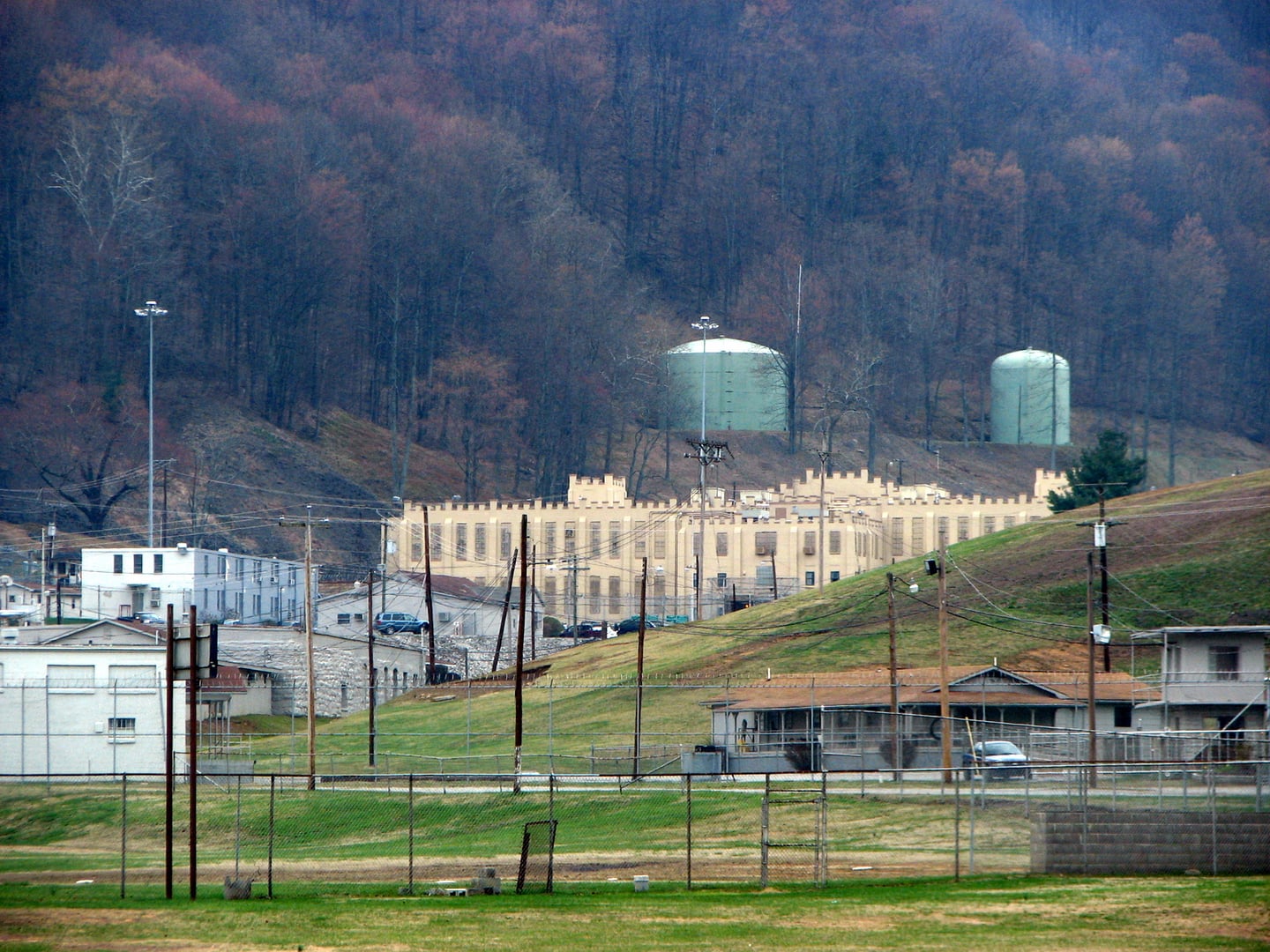
On February 7, 1866, the West Virginia state legislature approved the purchase of ten acres in Moundsville for the state's first penal institution. The land was acquired just outside the then-city limits for $3,000. Construction used stone quarried from Cameron and Roseby's Rock in Marshall County, plus additional stone from Big Grave Creek, 4th Street in Moundsville, and the town of Hundred in Wetzel County.
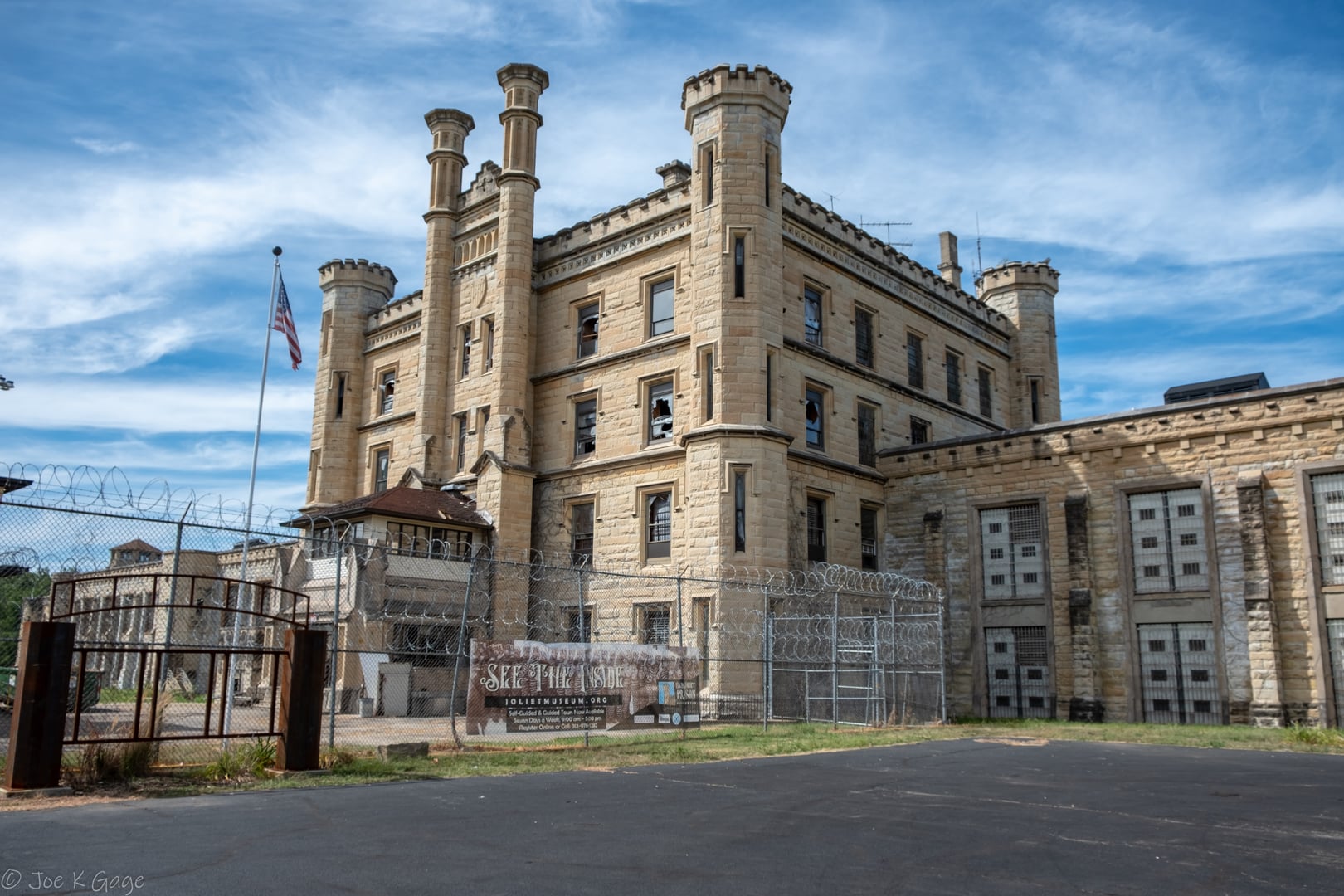
The finished design — castellated Gothic Revival with stone turrets and battlements — was modeled on the 1858 Illinois State Prison at Joliet, scaled to roughly half the size. The prison opened to its first inmates in 1876 after a decade of expansion.
West Virginia Penitentiary served as the state's primary maximum-security facility for 129 years. Conditions deteriorated through the twentieth century, and the facility was the site of multiple riots — most prominently a major uprising on New Year's Day 1986 that resulted in three inmate deaths and prompted the state Supreme Court to order the prison's closure. The state began transferring prisoners during construction of the new Mount Olive Correctional Complex in Fayette County, and the last inmates left Moundsville in 1995.
The Moundsville Economic Development Council acquired the property and reopened the site to the public as a tour and museum facility. Day tours, twilight tours, and ticketed overnight paranormal investigations operate on the property today, and the building has served as a filming location for documentary television. The penitentiary is listed on the National Register of Historic Places.
Sources
- https://en.wikipedia.org/wiki/West_Virginia_Penitentiary
- https://wvpentours.com/history/
- https://www.wvencyclopedia.org/entries/1378
- https://www.ohiocountylibrary.org/research/west-virginia-penitentiary/3896
Shadow figures in North Wagon GateDisembodied voices in cellblocksCold spots in Sugar Shack basementEVP recordings in execution chamberPhantom footsteps in tunnels
The penitentiary's paranormal reputation took shape during the 1990s and 2000s as the building transitioned from active corrections facility to museum and tour site. The institution recorded over 100 inmate deaths from violence, illness, and execution during its operational decades, and tour-operator material emphasizes those deaths as the historical anchor for reported phenomena.
The most-reported areas are the North Wagon Gate (the original wagon-entry portal where shadow figures and disembodied voices are reported); the Sugar Shack (a basement recreation area where stabbings occurred during the late operational years and where investigators report cold spots and electronic-voice-phenomenon recordings); the execution chamber and 'Old Sparky,' the prison's electric chair, on which roughly nine men were executed; and the basement tunnels.
The penitentiary has been the subject of recurring paranormal-investigation television including 'Ghost Adventures,' 'Ghost Hunters,' and 'Most Haunted Live.' The tour operator runs ticketed overnight investigations on a recurring schedule, and the site has become a destination for paranormal-research groups, university folklore courses, and ghost-tourism travelers. The building is privately operated as a public museum and tour facility, not as a treatment or correctional institution.
Media Appearances
- Ghost Adventures (Travel Channel)
- Ghost Hunters (Syfy)
- Most Haunted Live (Travel Channel)