Est. 1870 · Montana Territorial Prison (1871-1889) · Montana State Prison (1889-1979) · Site of 1959 Inmate Riot · National Register of Historic Places
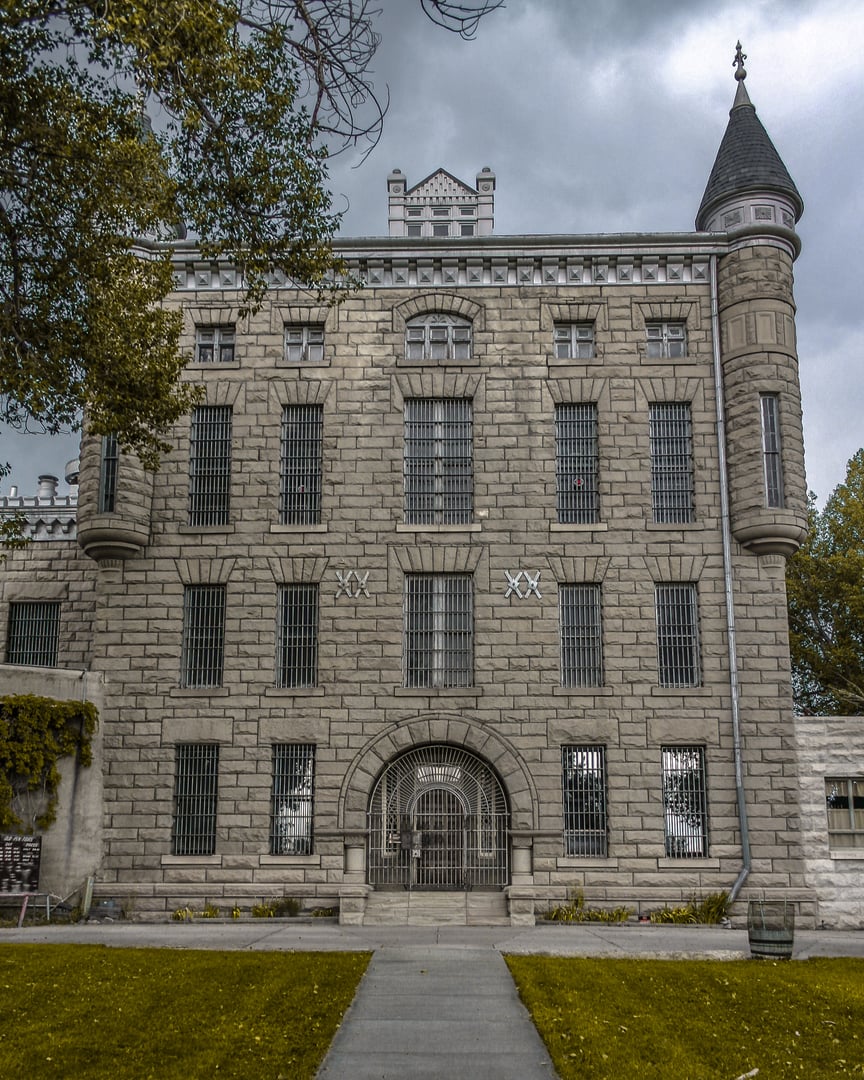
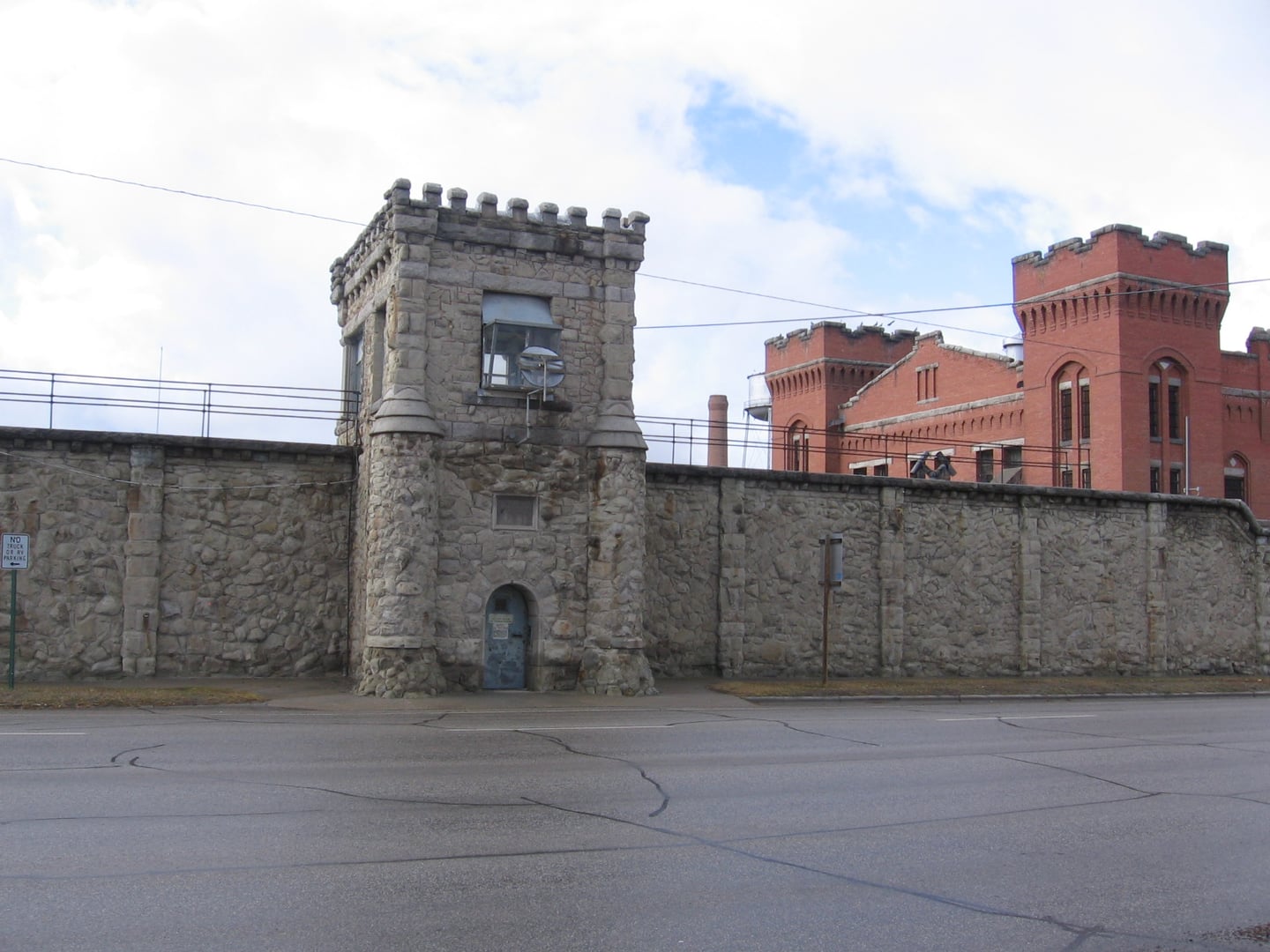
Construction of the Montana Territorial Prison began in Deer Lodge in 1870. The facility received its first inmates in 1871, and continued in use through Montana's 1889 admission to statehood, when it became the Montana State Prison. Inmates quarried local sandstone for the prison's distinctive walls and constructed major buildings over the following decades, including the Cell House and the Women's Prison.
The prison's most-recounted event is the 1959 inmate riot. Beginning on April 16, 1959, inmates seized control of the facility for approximately 36 hours. The deputy warden Theodore Rothe was killed during the takeover, and the warden was held hostage as inmates demanded improvements in conditions. The Montana National Guard was called in, and the riot ended with the inmates' surrender. The episode was covered internationally and is part of the museum's interpretive program.
The prison continued operating until 1979, when remaining inmates were transferred to the new Montana State Prison west of Deer Lodge. The Powell County Museum and Arts Foundation acquired the property and developed the broader nine-acre five-museum complex, which includes the prison itself plus the Montana Auto Museum (with more than 160 vehicles), Yesterday's Playthings toy museum, the Powell County Museum, and the Montana Frontier Museum.
The Old Montana Prison is listed on the National Register of Historic Places.
Sources
- https://www.pcmaf.org/
- https://www.pcmaf.org/ghost-tours
- https://en.wikipedia.org/wiki/Old_Montana_Prison
- https://southwestmt.com/blog/visit-deer-lodges-old-montana-prison/
ApparitionsPhantom voicesPhantom footstepsCold spotsEVPEMF anomaliesDisembodied screaming
The Powell County Museum and Arts Foundation has operated structured paranormal investigations and ghost tours at the Old Montana Prison since the late 1990s. The staff maintains a reports log from visitors, investigators, and museum personnel covering nearly three decades of after-hours access.
Reports concentrate in three areas. The first is the Death Tower, the prison's elevated isolation cell, where visitors describe a heaviness of air, cold pockets, and intermittent voices. The second is the upper tier of the main Cell House, where the 1959 riot was concentrated and where reported phenomena include footsteps, distant clanging on metal bars, and the sense of a presence at the end of long corridor sightlines. The third is the Women's Prison, where visitor accounts include voices reading as female and the sound of crying.
The Foundation's overnight investigation program runs from 8pm to 2am and includes areas of the prison not open during daytime hours. The minimum age is 15; minors must be accompanied by a parent or guardian.
The site has appeared in regional Montana tourism press and on televised paranormal programming. The Foundation presents the reports as documentary artifact and emphasizes the historical record of the prison's operation alongside the paranormal vocabulary.