Est. 1850 · One of the oldest surviving brewery lagering cave systems in the United States · Pre-refrigeration industrial heritage of Milwaukee's German-immigrant brewing era · Continuous use by the Plank Road / Miller Brewing Company from 1850 through 1906
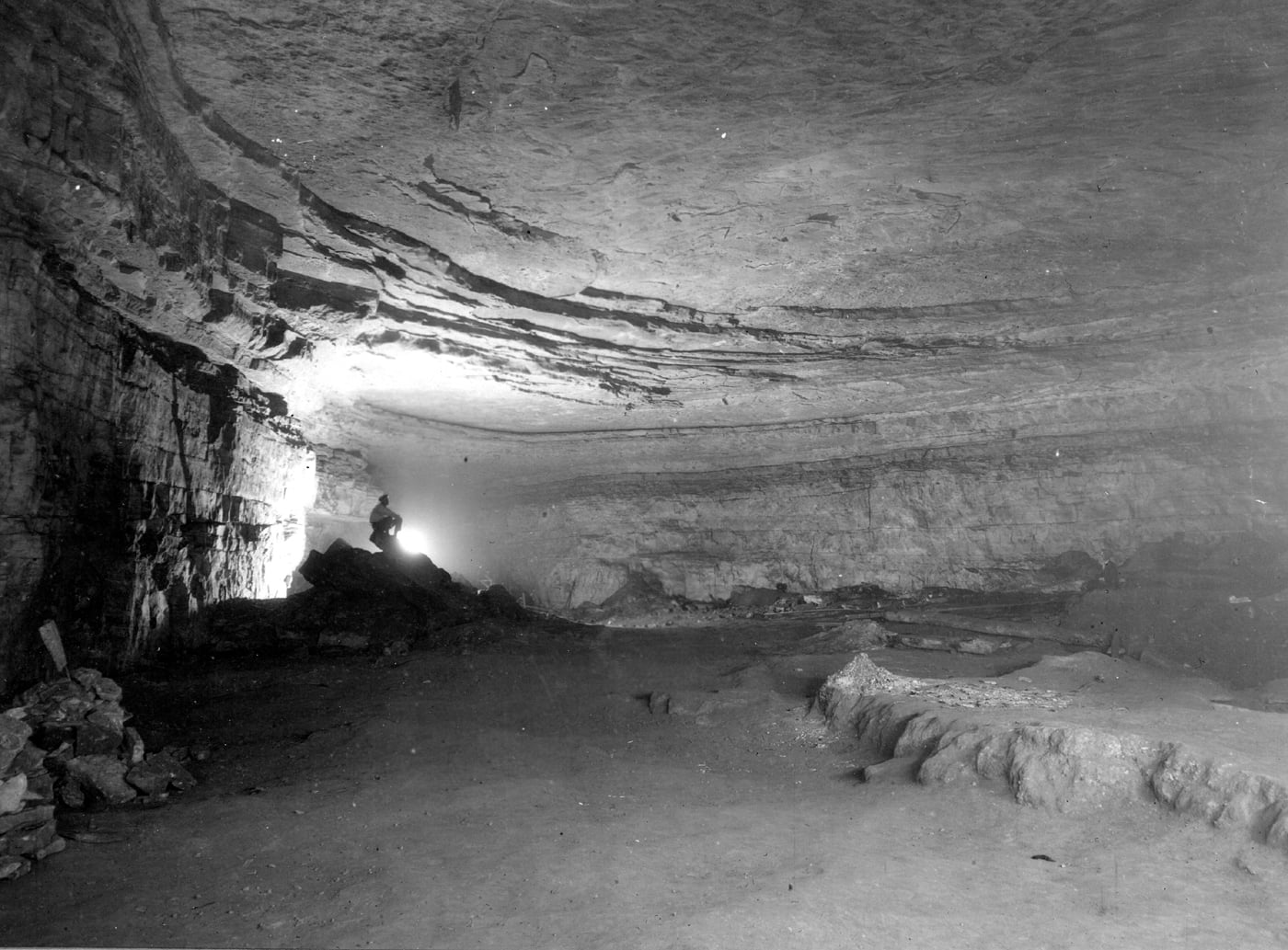
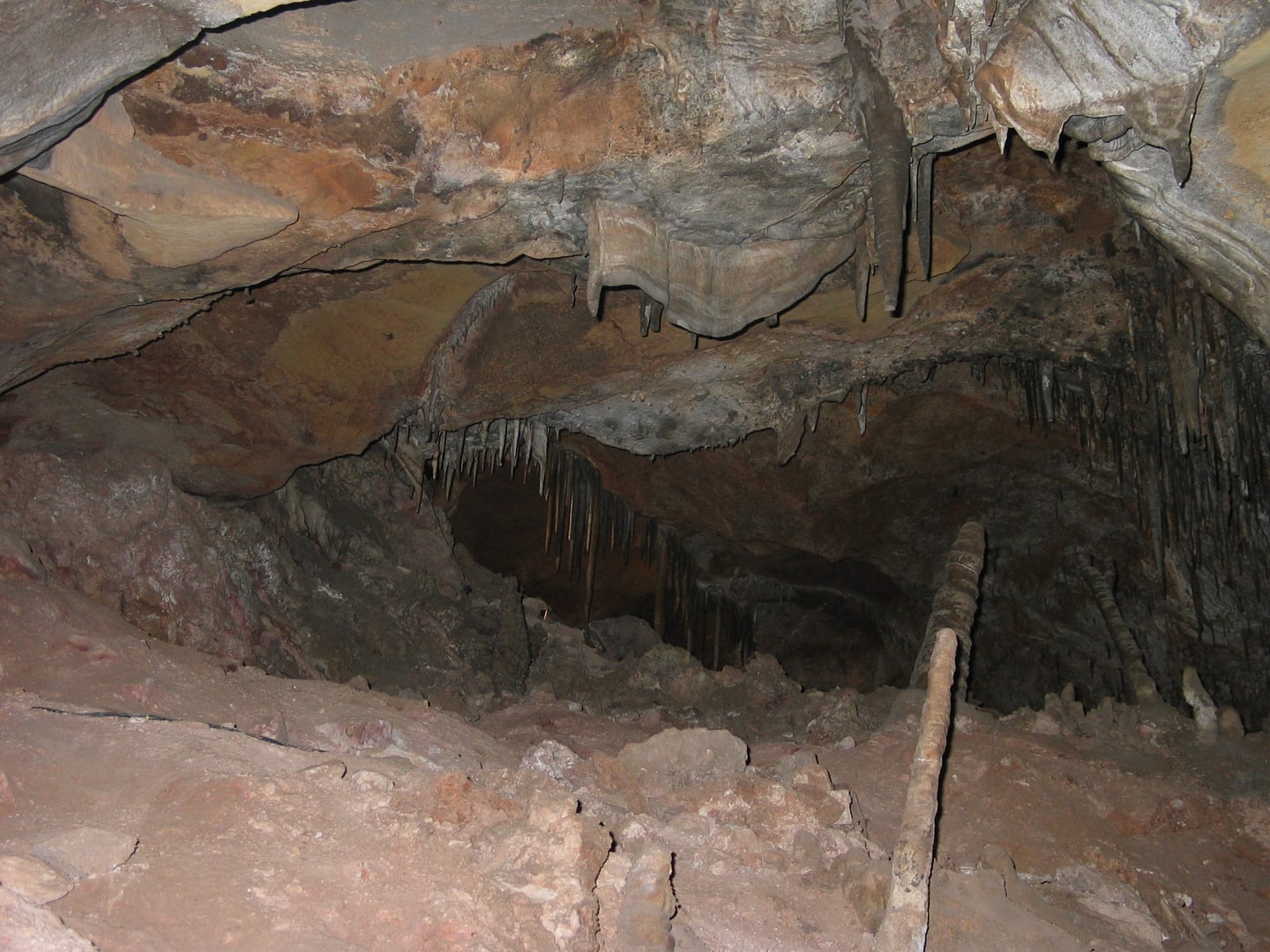
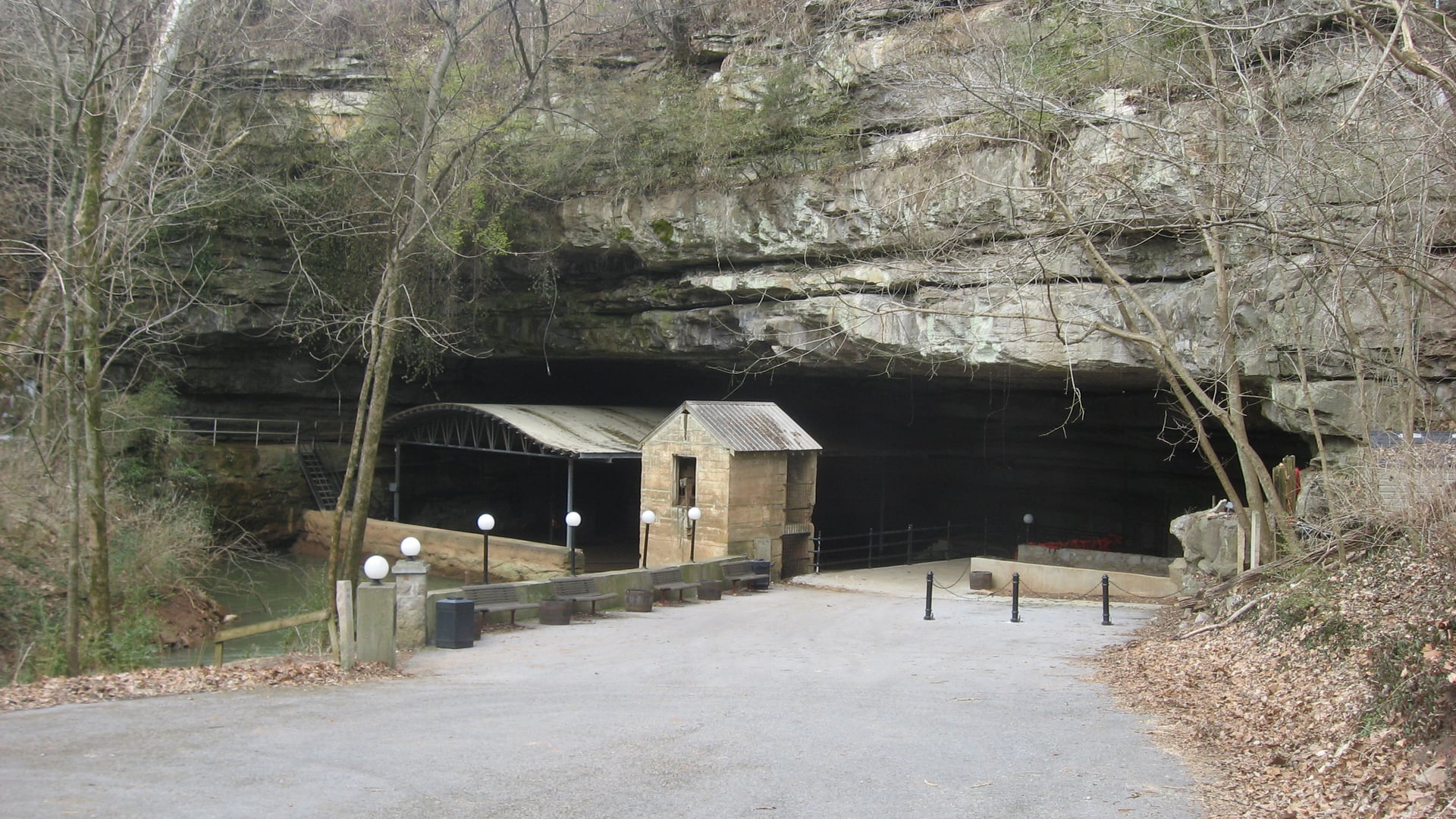
The Miller Caves were dug in 1850 by Charles and Lorenz Best, owners of the Plank Road Brewery, into the bluff that runs along the south side of West State Street in Milwaukee's Miller Valley. The caves sit roughly 60 feet below the hilltop and run for approximately 600 feet of interconnected tunnels, originally chambered out to provide the consistent cool temperatures lager beer needed for slow fermentation before mechanical refrigeration existed.
In 1855, German immigrant brewer Frederick Miller purchased the Plank Road Brewery from the Best brothers, and the cave system came with the property. For roughly the next half-century, the caves were the heart of the brewery's storage operation: barrels of lagering beer were rolled into the dark, cool tunnels and stacked in the chambers to age. Generations of brewery workers passed through the cave entrance daily.
By 1906, mechanical refrigeration buildings made the caves obsolete as working storage, and the brewery sealed off most of the tunnel network. A portion was preserved and is now a stop on the public Miller Brewery tour run by Molson Coors at the Miller Visitor Center.
The caves are documented in Miller Brewing Company's own centennial history collection and in regional reporting by Milwaukee Magazine, OnMilwaukee, and the Molson Coors corporate blog. They remain one of the most distinctive surviving artifacts of pre-refrigeration American lager brewing.
Sources
- https://onmilwaukee.com/articles/urban-spelunking-miller-caves
- https://www.molsoncoorsblog.com/miller-brewery-haunted-milwaukee
- https://www.milwaukeemag.com/the-legend-of-the-couple-that-haunts-the-miller-caves/
- https://www.hunzinger.com/project/miller-caves/
Two luminous shimmering figures at the cave entranceDisembodied voice repeating 'I will wait for you'Phantom footsteps in empty cave corridorsSnatches of conversation from empty tunnelsSudden temperature changes and flickering lightsMusic from an unplugged player piano in the visitor area
The most-told ghost story attached to the Miller Caves is a love tragedy. According to a tale recorded in Miller Brewing Company's 100th-anniversary document collection and recounted in Milwaukee Magazine and on the Molson Coors corporate blog, a young brewery worker and his sweetheart used to meet every Saturday night at the mouth of the caves at the back of the brewery. One night the young man fell on one of the cave's interior stairways, struck his head, and never regained consciousness. His sweetheart, according to the legend, died of grief soon after.
Generations of brewery employees have reported seeing two shimmering, luminous figures near the cave entrance — interpreted as the reunited couple. Per the Molson Coors account, one visitor reported a voice near the cave entrance repeating 'I will wait for you,' and another reported hearing music coming from an unplugged player piano in the visitor area. Security guards on overnight rounds have described phantom footsteps and snatches of conversation drifting from empty cave corridors, and visitors have noted sudden temperature changes and flickering lights.
American Ghost Walks includes the Miller Caves on its Milwaukee tour and treats the love-story haunting as the venue's signature lore. The Paranormal Investigators of Milwaukee have also documented the location.
Notable Entities
The Brewery Worker (unnamed young man who died on cave stairs)His Sweetheart (unnamed young woman said to have died of grief)