Est. 1876 · Great Lakes Lumber Trade · 1894 Sheboygan Harbor Disaster · 1992 Maritime Salvage
The Lottie Cooper launched in 1876 as a three-masted wooden lumber schooner, built for the Lake Michigan lumber trade that defined the Great Lakes economy in the post-Civil War decades. She was 137 feet long and worked the trade routes between Wisconsin and Michigan ports for nearly two decades.
On April 9, 1894, the Lottie Cooper entered Sheboygan harbor during a severe gale. The combination of storm conditions and harbor approach overwhelmed the vessel, and she capsized. Of the six-man crew aboard, five were rescued. One crew member drowned while attempting to swim to shore — a detail documented in Wisconsin maritime records.
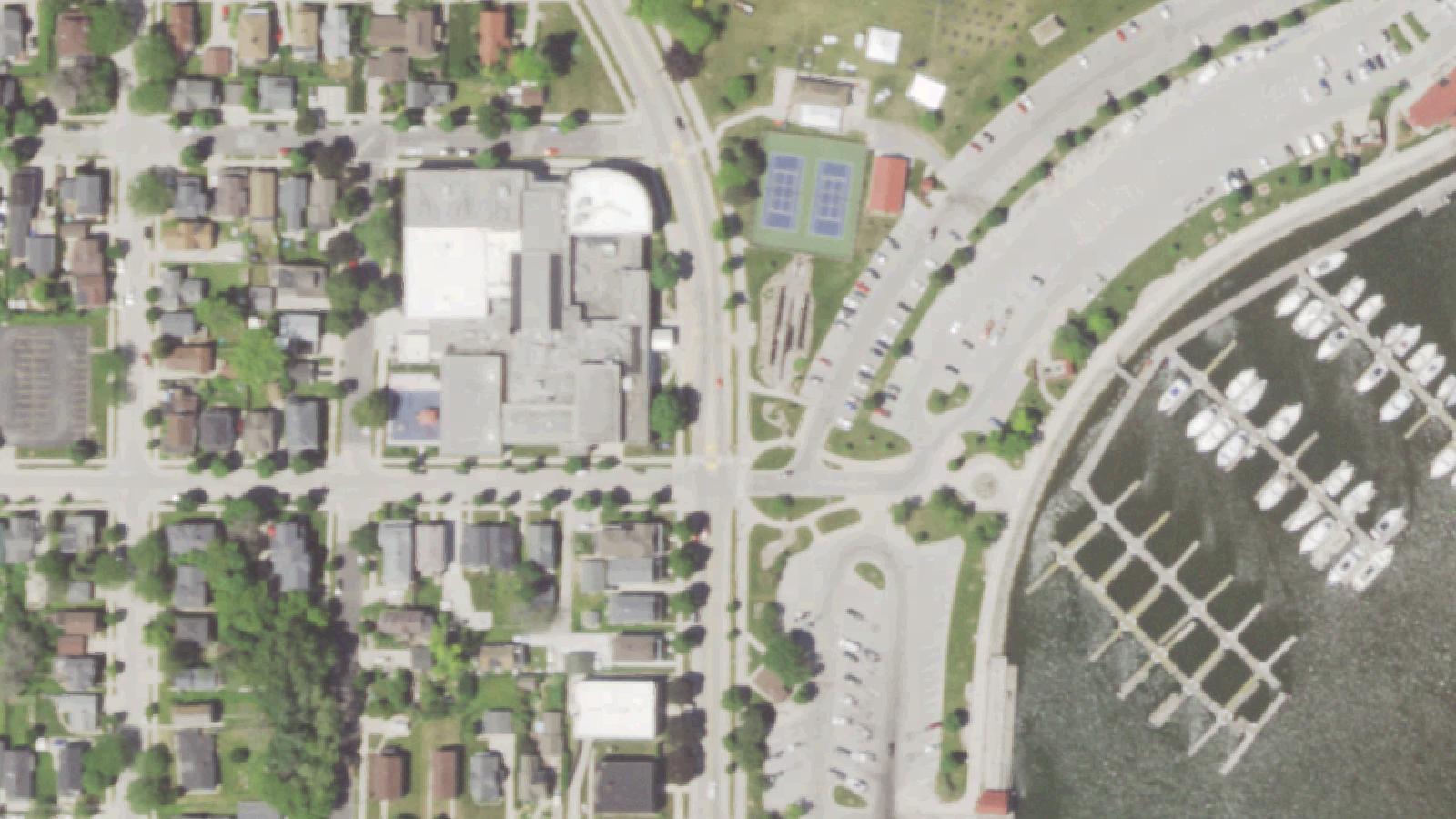
The wreck settled in the harbor and was largely forgotten for nearly a century. In 1992, salvage operations recovered the 89-foot center section of the hull — a substantial portion representing the ship's midship structure. Rather than being relegated to a museum warehouse, the section was placed at the entrance of Deland Park on Broughton Drive, where it has stood since as a full-scale artifact of the Lottie Cooper and of the lake commerce that shaped Sheboygan. Travel Wisconsin has recognized the display as a public tourism destination.
Sources
- https://www.wisconsinshipwrecks.org/Attraction/Details/44
- https://www.travelwisconsin.com/architecture/the-wreck-of-the-lottie-cooper-201001
- https://www.wisconsinfrights.com/lottie-cooper-shipwreck/
Dark Tourism SiteMaritime Tragedy
The Lottie Cooper's primary dark-tourism resonance is the documented death of one crew member in the April 1894 gale. Five of six men aboard were rescued; the sixth drowned making for shore as the schooner went down in the harbor entrance. His name is recorded in Wisconsin maritime casualty records.
The full-scale wreck on display at Deland Park makes the disaster tangible in a way that a museum artifact usually cannot. Standing beside 89 feet of surviving original hull — the actual midsection of a ship that sank killing a man — produces the particular awareness that characterizes meaningful dark-tourism sites: not spectacle, but scale.
Wisconsin Frights documents the site in its catalogue of haunted and dark-interest Wisconsin locations. Paranormal investigators have visited the wreck, drawn by the death and by the site's lakefront isolation after dark. The site has not generated a sustained paranormal tradition separate from its documented maritime tragedy.