Self-Guided Visit
Visit the historic cemetery
A short, self-guided daytime visit to a small 19th-century rural cemetery tucked among the trees at the end of Church Road. Many of the surviving stones date to the mid-1800s.
- Duration:
- 30 min
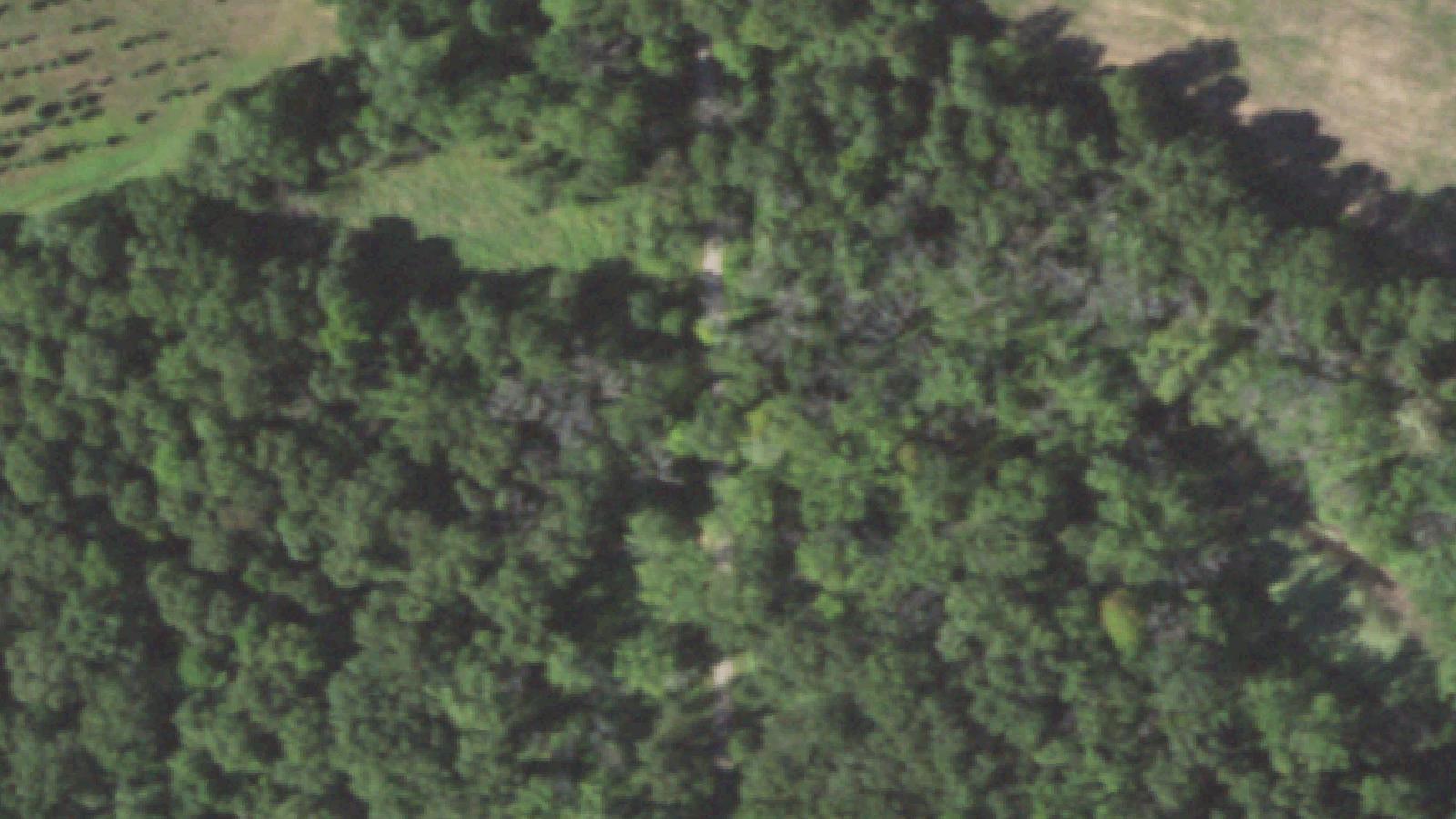 Aerial survey · USDA NAIP · public domain
A small, tree-hidden pioneer cemetery at the end of a dead-end road west of Portage, Wisconsin, the subject of long-running local legends about a young woman's death, drifting lights, and a wave of nausea felt among the old gravestones.
Church Road (off County Highway O, ~6 miles west of Portage), Portage, WI 53901
Research updated May 2026
Age
All Ages
Cost
Free
No admission fee. This is a small rural cemetery; visit respectfully during daylight and obey any posted signage.
Access
Limited Access
Uneven grass and dirt among old gravestones at the end of a dead-end gravel road, surrounded by trees.
Equipment
Photos OK
Est. 1859 · Mid-19th-century rural pioneer cemetery in Columbia County · A frequently cited example of Wisconsin cemetery folklore · Headstones dating to the 1850s reflecting early county settlement
Church Road Cemetery is one of the many small pioneer cemeteries that dot rural Columbia County, Wisconsin. It lies at the end of a dead-end gravel road off County Highway O, about six miles west of the city of Portage, screened from view by a stand of trees. The graveyard is small enough that it is easy to miss and is not actively used for new burials.
The surviving headstones date back to roughly the mid-19th century, with some markers reaching to the 1850s, reflecting the era of early Euro-American settlement in the county. Over generations the cemetery has fallen out of regular use, and its isolated, overgrown setting has helped fuel its reputation in regional folklore.
Like many old rural cemeteries, Church Road Cemetery has accumulated layers of local legend that are difficult to separate from its documented history. Records of the individual burials are held through Columbia County genealogical and cemetery resources, but the cemetery is far better known today for the ghost stories attached to it than for any single notable burial.
The cemetery has been written up in regional newspaper coverage of Wisconsin legends and lore, which treats its hauntings as folklore rather than verified fact while confirming the cemetery itself is a real, historic site.
Sources
Church Road Cemetery has one of the more persistent ghost-story reputations in the Portage area. According to regional newspaper coverage of Wisconsin legends and lore, the dominant tradition is that a young woman died by suicide near the cemetery and that her presence lingers there. Visitors describe a sudden feeling of physical illness or nausea that comes over them as they walk among the stones and fades once they leave; in one account, an investigator's research partner became sick after reaching a particular spot in the graveyard. Others report seeing balls of light dancing among the trees, or hearing the creak of a rope swaying from a branch.
An older and separate strand of folklore, recorded in the single anonymous account that first circulated this site online, describes Church Road Cemetery as a former children's or 'baby' cemetery whose original gravestones were removed and the ground 'started over.' That version is not supported by the documented history, which shows surviving stones from the mid-1800s belonging to adults as well as children, and it is repeated here only as a piece of local lore.
These stories are presented as folklore. The themes of a young person's death are handled here with care: the cemetery is a real place of burial deserving of respect, and the legends should not be treated as a thrill but as the kind of tragic local tale that gathers around quiet, isolated graveyards.
Notable Entities
A short, self-guided daytime visit to a small 19th-century rural cemetery tucked among the trees at the end of Church Road. Many of the surviving stones date to the mid-1800s.
Some links on this page may earn HauntBound a small commission when you book, at no extra cost to you. Our editorial picks are independent. Full disclosure
Every HauntBound history is researched from documented sources. We clearly separate verified historical fact from paranormal folklore.
Free Guide
11 verified stops, rated for families, mapped in order. Free.
One email to confirm, then the guide link. Unsubscribe anytime.
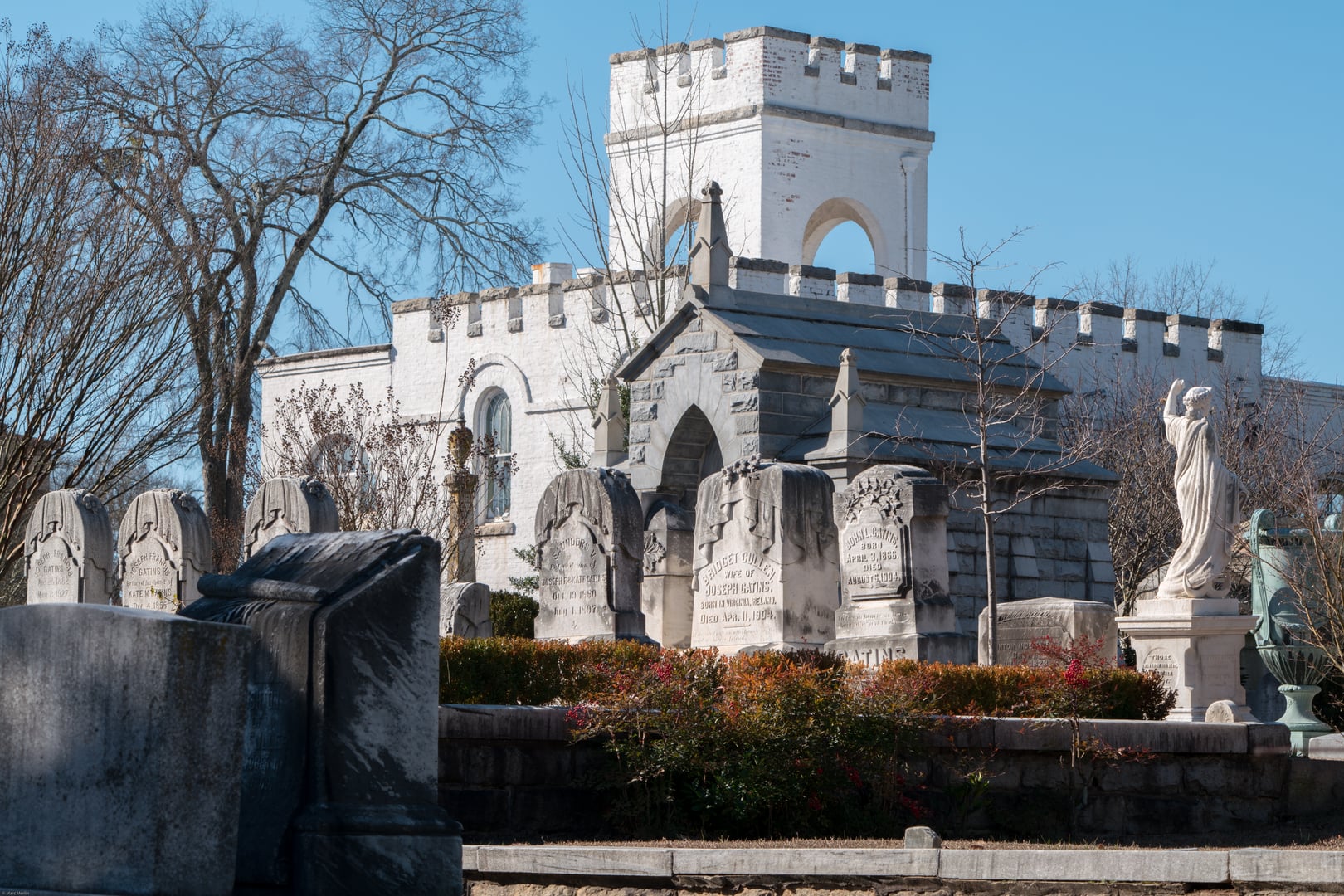
Atlanta, GA
Historic Oakland Cemetery was chartered in 1850 as the six-acre 'Atlanta Cemetery,' renamed Oakland in 1872, and expanded to 48 acres. Approximately 70,000 people are interred, including roughly 6,900 Confederate soldiers (3,000 unidentified), four Confederate generals, six Georgia governors, 27 Atlanta mayors, Margaret Mitchell, golfer Bobby Jones, and Maynard Jackson, Atlanta's first African American mayor. The cemetery was listed on the National Register of Historic Places on April 28, 1976.
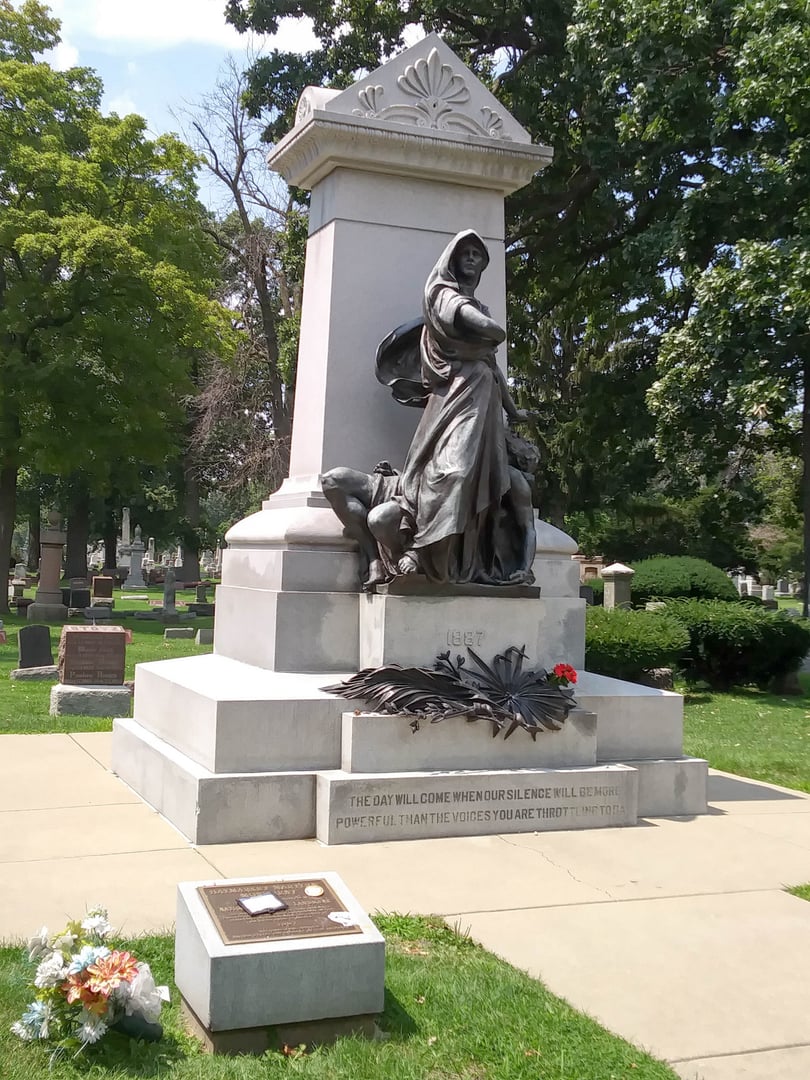
Forest Park, IL
Forest Home Cemetery in Forest Park, Illinois, grew from two adjacent cemeteries — German Waldheim (established 1873) and Forest Home (1876) — which merged in February 1969. The 220-acre site was chosen as a non-denominational burial ground, a policy that made it the only Chicago-area cemetery willing to accept the bodies of the Haymarket defendants in 1887.
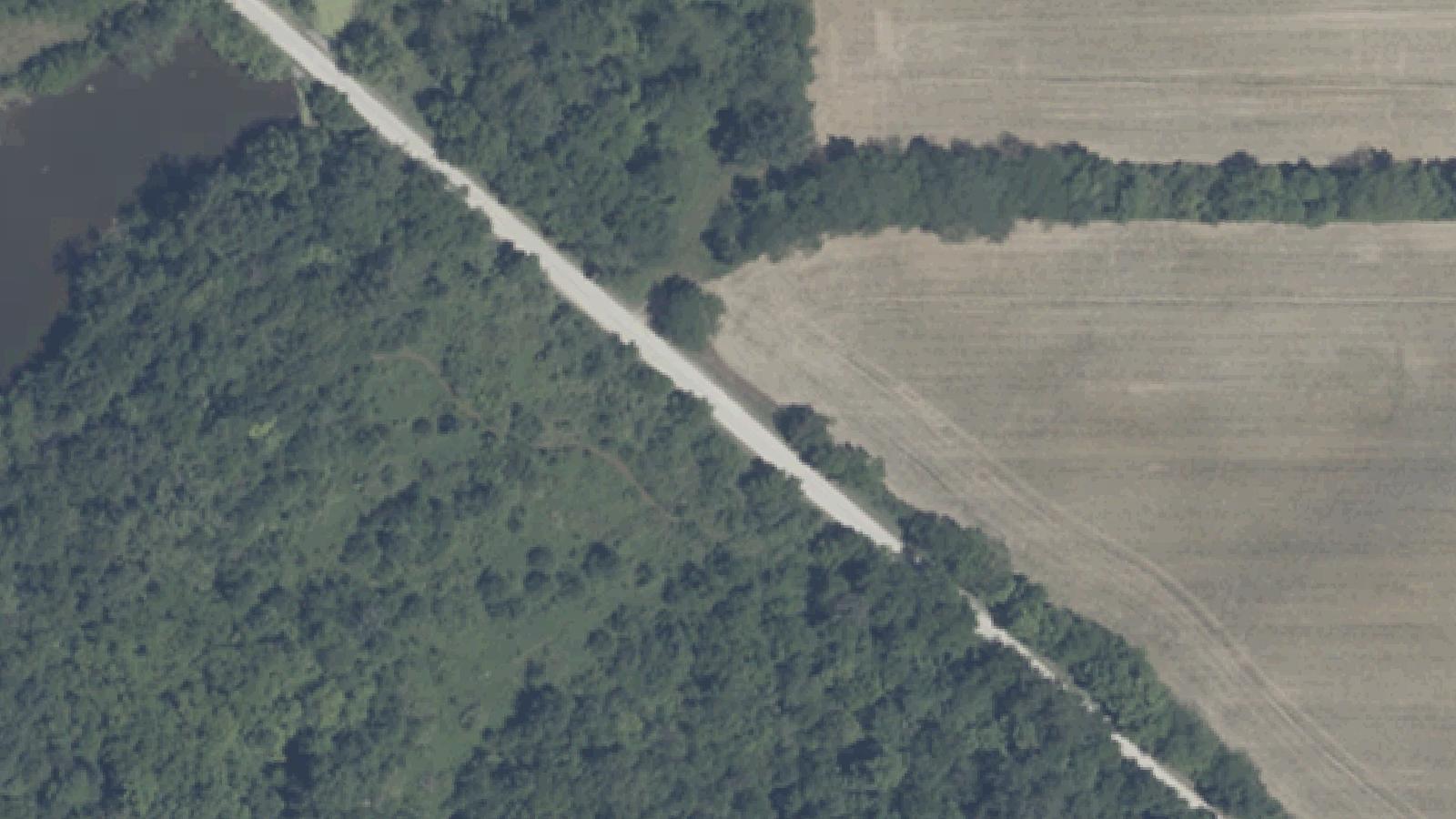 Aerial survey · USDA NAIP
Warren, IN
Batson Cemetery sits on a bluff above the Salamonie River in Jackson Township, Wells County, Indiana, near Willow Road off State Road 3. Cemetery signs date it to 1855, with roughly 400 burials; the land was donated to a cemetery association in the early 1920s by a daughter of landowner Henry Batson. It is locally famous for a cluster of counting and apparition legends.