Self-Guided Visit
Daytime Historic Cemetery Visit
A respectful daytime walk through a small nineteenth-century river-bluff cemetery known for its counting-the-graves folklore.
- Duration:
- 30 min
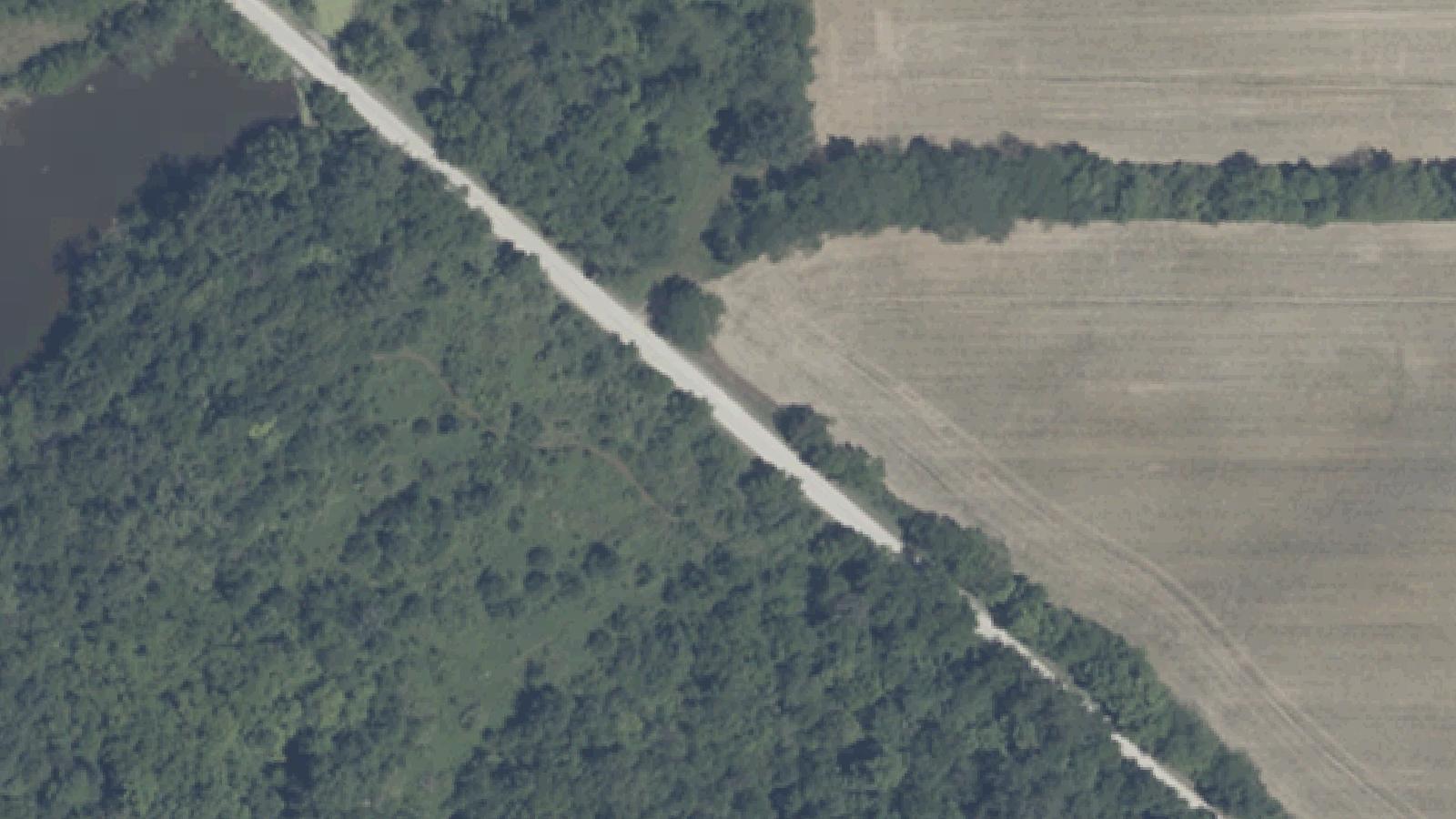 Aerial survey · USDA NAIP · public domain
A historic 1850s cemetery on a bluff above the Salamonie River in rural Wells County, long the subject of a 'thirteen graves' counting legend, a glowing grave, and a phantom caretaker.
Near Willow Road, off State Road 3 (Jackson Township), Warren, IN 46792
Research updated May 2026
Age
All Ages
Cost
Free
No admission. This is an active historic cemetery, not a tour venue.
Access
Limited Access
Sloped hillside cemetery on a river bluff; uneven ground and old stone.
Equipment
Photos OK
Est. 1855 · Mid-nineteenth-century river-bluff cemetery with roughly 400 burials · Land donated to a cemetery association in the early 1920s by the Batson family · Documented by Wells County and Allen County genealogy collections
Batson Cemetery occupies a wooded bluff above the Salamonie River in Jackson Township, Wells County, in northeastern Indiana. According to local historian Ted Shideler, the cemetery's signage dates its establishment to 1855, though the oldest legible marker he located belonged to Andrew Jackson Batson, an infant who died in 1840. The grounds hold roughly 400 burials, the last of which was William Andrew Sills, who died in 1957 at age 82.
The cemetery takes its name from Henry Batson, who owned the riverside land. In the early 1920s his daughter donated the parcel to a newly formed cemetery association, formalizing the burying ground that families in the area had already been using for decades. The Wells County Public Library and regional genealogy collections, including the Allen County Public Library Genealogy Center, document the cemetery and its interments.
The site's enduring local fame, however, comes from folklore rather than its ordinary history. A central tradition concerns a set of stones that visitors count as 'thirteen graves,' with the number said to change when counted in reverse. Shideler's research suggests these are not graves at all but uneven rows of convex stone laid in a rough corduroy pattern, likely installed to stabilize horse-drawn hearses on the steep hillside.
Vandalism has been a persistent problem at the remote site, and it has been placed under surveillance with active enforcement against nighttime trespassing. Visitors are asked to come only during daylight and to treat the historic burying ground with respect.
Sources
The best-known Batson Cemetery legend is the 'thirteen graves' count: visitors say that thirteen unmarked stones can be tallied on the way in, but counting them again on the way out yields a different number, with one grave seeming to vanish. Local historian Ted Shideler, who grew up nearby, recounts inconsistent counts ranging from twelve to fourteen across repeated attempts, and proposes that the 'graves' are actually rows of convex paving stone laid to steady hearses on the hill rather than true burials (https://tedshideler.com/2025/06/15/wells-countys-haunted-batson-cemetery/).
A second tradition describes one particular grave that glows when seen from the road at night. A third holds that a ragged old man — taken to be a caretaker — appears in the cemetery after dark; lore connects him to a nearby school that was demolished long ago, said in some tellings to have been a school for the blind. Shideler found no evidence of a school for the blind within the cemetery's bounds, though historical maps from 1881, 1901, and 1905 show ordinary township schools that once stood relatively close by.
Later additions to the folklore, circulated through regional legend catalogs, include a boy with a hatchet seen on full-moon nights and a girl among 'the thirteen' said to appear to a visitor who throws a rock at a certain grave. These embellishments are not supported by any historical record and are presented here strictly as folklore attached to a real and well-documented cemetery (https://www.genealogycenter.info/photos_wellsbatson.php).
Notable Entities
A respectful daytime walk through a small nineteenth-century river-bluff cemetery known for its counting-the-graves folklore.
Some links on this page may earn HauntBound a small commission when you book, at no extra cost to you. Our editorial picks are independent. Full disclosure
Every HauntBound history is researched from documented sources. We clearly separate verified historical fact from paranormal folklore.
Free Guide
11 verified stops, rated for families, mapped in order. Free.
One email to confirm, then the guide link. Unsubscribe anytime.
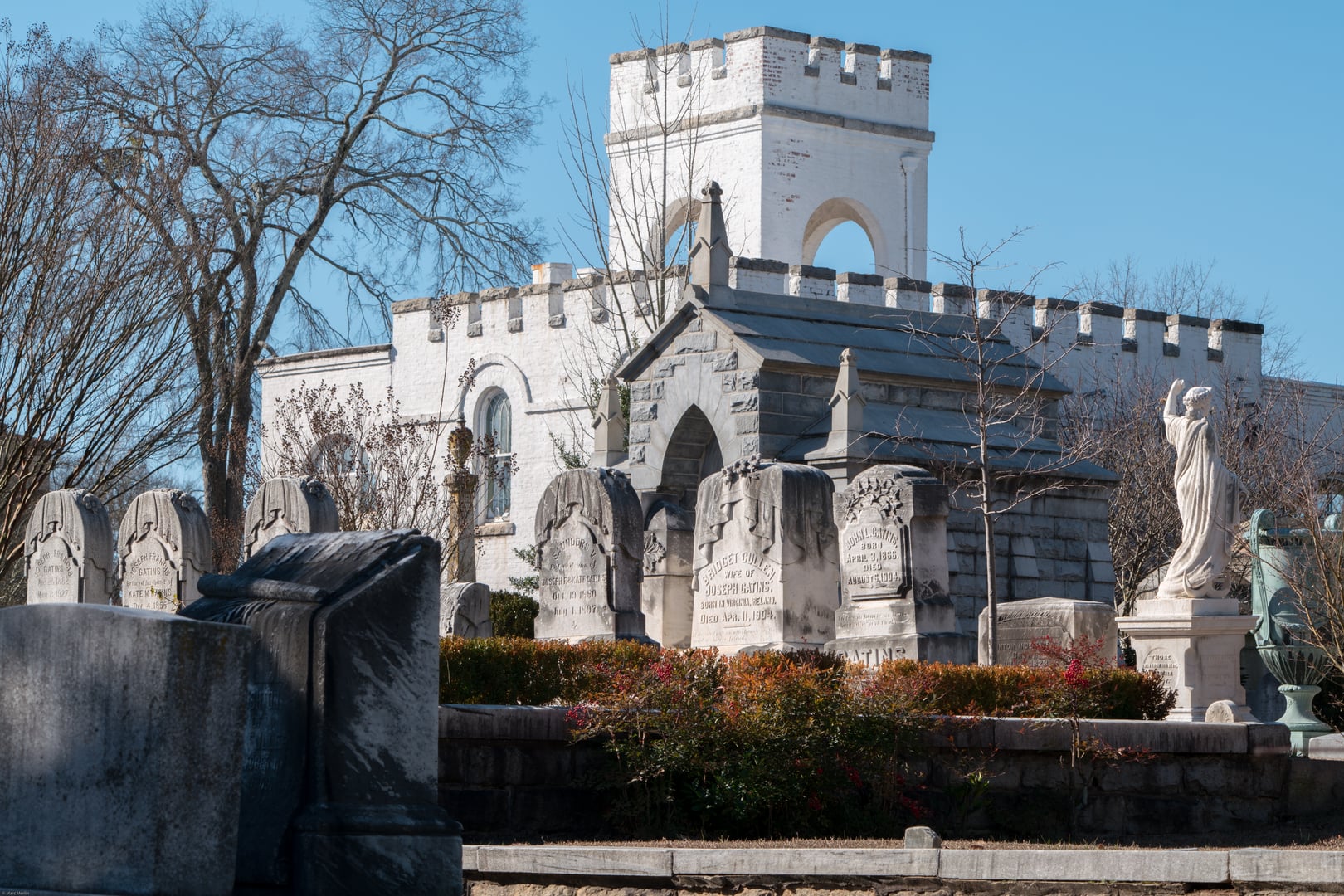
Atlanta, GA
Historic Oakland Cemetery was chartered in 1850 as the six-acre 'Atlanta Cemetery,' renamed Oakland in 1872, and expanded to 48 acres. Approximately 70,000 people are interred, including roughly 6,900 Confederate soldiers (3,000 unidentified), four Confederate generals, six Georgia governors, 27 Atlanta mayors, Margaret Mitchell, golfer Bobby Jones, and Maynard Jackson, Atlanta's first African American mayor. The cemetery was listed on the National Register of Historic Places on April 28, 1976.
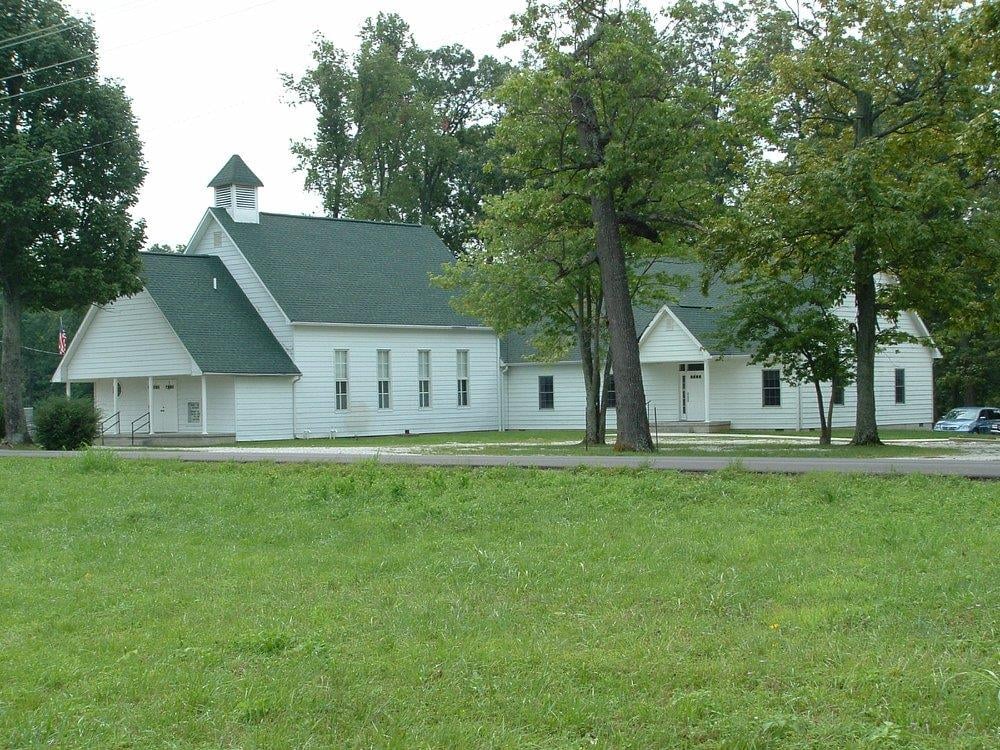
Orleans, IN
Bonds Chapel is a rural Methodist church and cemetery in Northwest Township, Orange County, Indiana, between Orleans and the old community of Huron. Its most famous feature is the gravestone of Floyd Elmer Pruett (1894-1920), on which an image resembling a chain has appeared — the subject of one of southern Indiana's best-known cemetery legends.
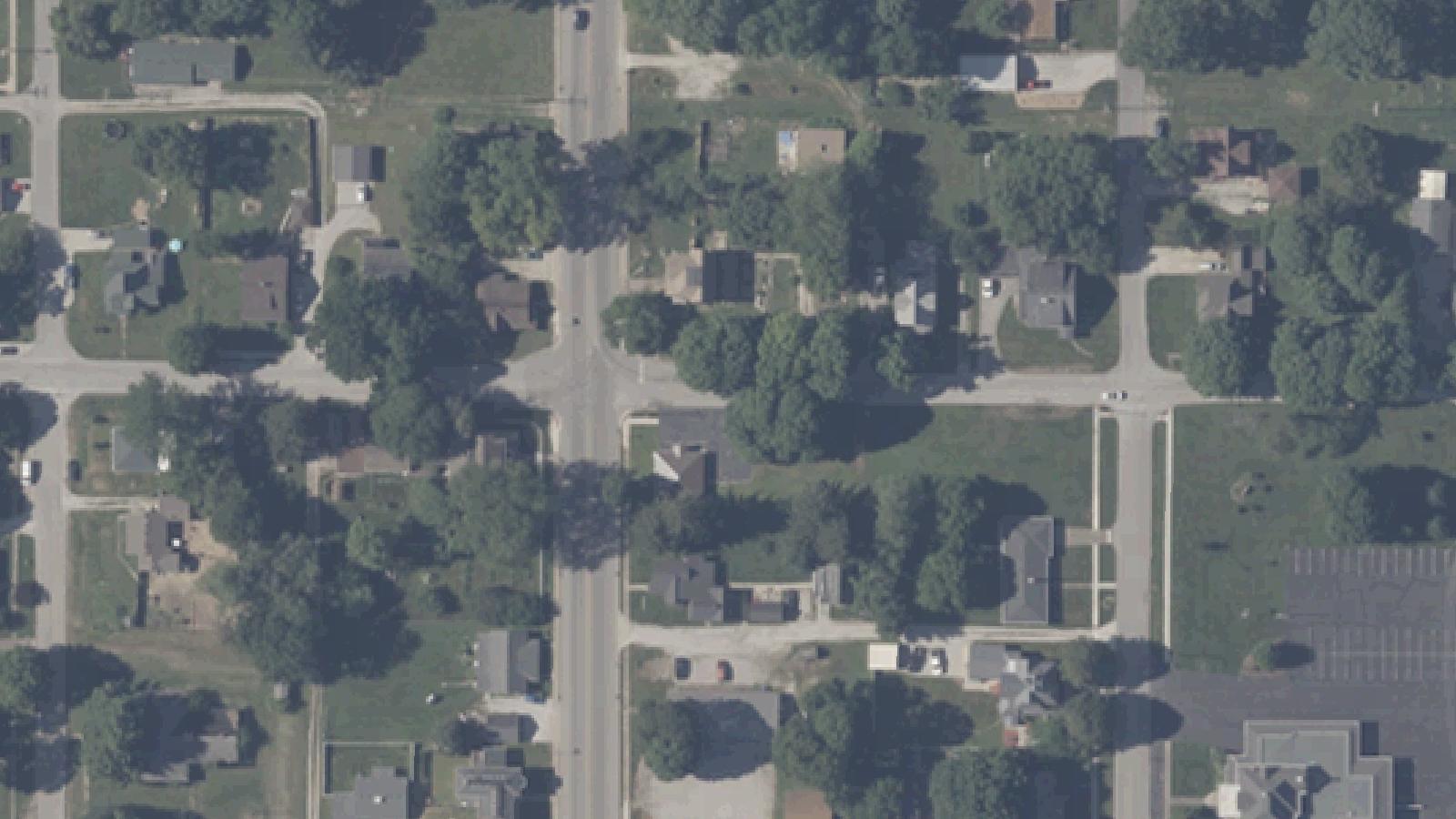 Aerial survey · USDA NAIP
Cloverdale, IN
Cloverdale Cemetery is a large burying ground in Cloverdale, Putnam County, Indiana, dating to the early 1800s with several thousand interments. Well documented in genealogy collections, it is also one of the most frequently cited haunted cemeteries in central Indiana, known above all for its 'seven witch sisters' legend.