Drive-By
Exterior Viewing in Browne's Addition
View the 1898 Cutter-designed mansion from W 2nd Ave; the home is a contributing property to the Browne's Addition Historic District.
- Duration:
- 20 min
HauntBound archive · catalog record
Reported phenomena, as catalogued
An 1898 Kirtland Cutter-designed Browne's Addition mansion built for Irish-born mining magnate Patrick 'Patsy' Clark, with widely-reported lore of Mary Clark's spirit on the Tiffany-lit grand staircase.
2208 W 2nd Ave, Spokane, WA 99201
Research updated June 2026
Age
All Ages
Cost
Free
Event venue with private rental fees; exterior viewable freely from public sidewalk.
Access
Limited Access
Historic three-story mansion with multiple staircases; ground floor accessible during events.
Equipment
Photos OK
Est. 1898 · Designed by Kirtland Cutter for mining magnate Patrick 'Patsy' Clark · Listed on the National Register of Historic Places, 1975 (as Clark Mansion) · Contributing property to the Browne's Addition Historic District · Restored 2002 by Eymann, Allison, Hunter & Jones law firm
Patrick 'Patsy' Clark was an Irish-born copper and silver mining magnate who made his fortune in the western U.S. mining boom of the late 19th century. In 1895-98 he commissioned Kirtland Cutter to design what was reportedly intended to be 'the most impressive house west of the Mississippi.' Cutter, working at the height of his Gilded Age practice, produced a 12,000-square-foot eclectic mansion incorporating Moorish, Romanesque, and Tudor Revival elements with Tiffany stained-glass windows lighting the grand central staircase.
The Clark family lived in the home until Patsy's death in 1915; his widow Mary Stack Clark continued to live there until 1926. After her death the building passed through several owners and uses across the twentieth century, including service as a private residence, a restaurant (most famously the upscale Patsy Clark's Restaurant from 1979 to 2000), and an event venue. The mansion was listed on the National Register of Historic Places as 'Clark Mansion' in 1975 and is a contributing property to the Browne's Addition Historic District.
In 2002 a Spokane law firm purchased the mansion for $1.03 million to rescue the deteriorating landmark; the building was subsequently used as combined law offices and event venue. The mansion changed hands again in 2020 and continues to operate as a wedding and event venue with private interior access for clients.
Sources
Per Legends of America and KING5 coverage citing Clark family descendants, the spirit reported at the mansion is identified as Mary Stack Clark, Patsy Clark's widow, who lived in the home until her death in 1926. The most-told account dates to the restaurant era: a busboy was carrying plates down from the second floor when he felt someone following him; he turned to see a woman dressed in white on the stairs above him, dropped the china, and fled the building.
During the Patsy Clark's Restaurant era (1979-2000), staff reported additional phenomena per KXLY's 'Spokane's Most Haunted Places' coverage and the Spokesman-Review's restaurant retrospective: wine bottles thrown in the basement wine cellar, a levitating croissant in the kitchen, doors that opened and closed on their own, and a piano in the parlor that was reported to play on its own. Multiple sources note that the basement and the staircase landings on the second floor are the focal points for activity.
The mansion's ghost lore is corroborated across at least four independent outlets — Legends of America, KING5, KXLY, and FOX 28 Spokane — over a span of more than twenty years, which is unusual durability for restaurant-era ghost stories that often fade when the establishment closes.
Notable Entities
View the 1898 Cutter-designed mansion from W 2nd Ave; the home is a contributing property to the Browne's Addition Historic District.
Interior access available through private event bookings and weddings; the Tiffany-lit grand staircase and basement wine cellar are part of the mansion's ghost lore.
Some links on this page may earn HauntBound a small commission when you book, at no extra cost to you. Our editorial picks are independent. Full disclosure
Every HauntBound history is researched from documented sources. We clearly separate verified historical fact from paranormal folklore.
Free Guide
10 verified stops, rated for families, mapped in order. Free.
One email to confirm, then the guide link. Unsubscribe anytime.
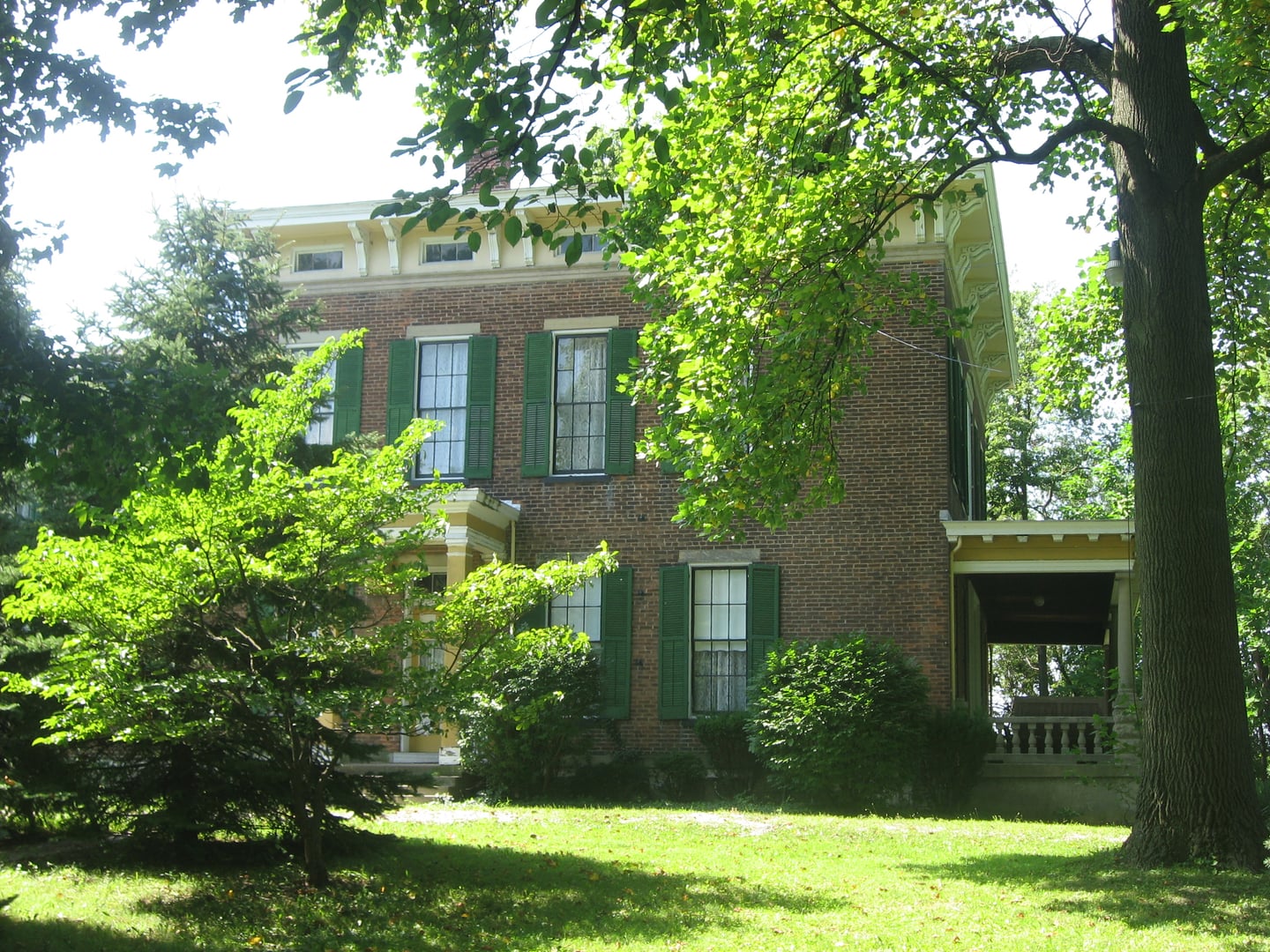
Indianapolis, IN
Hannah House is an 1858 Italianate mansion at 3801 Madison Avenue on the south side of Indianapolis, built by Alexander Hannah, an Indiana businessman who returned wealthy from the California Gold Rush. The property is listed on the National Register of Historic Places.
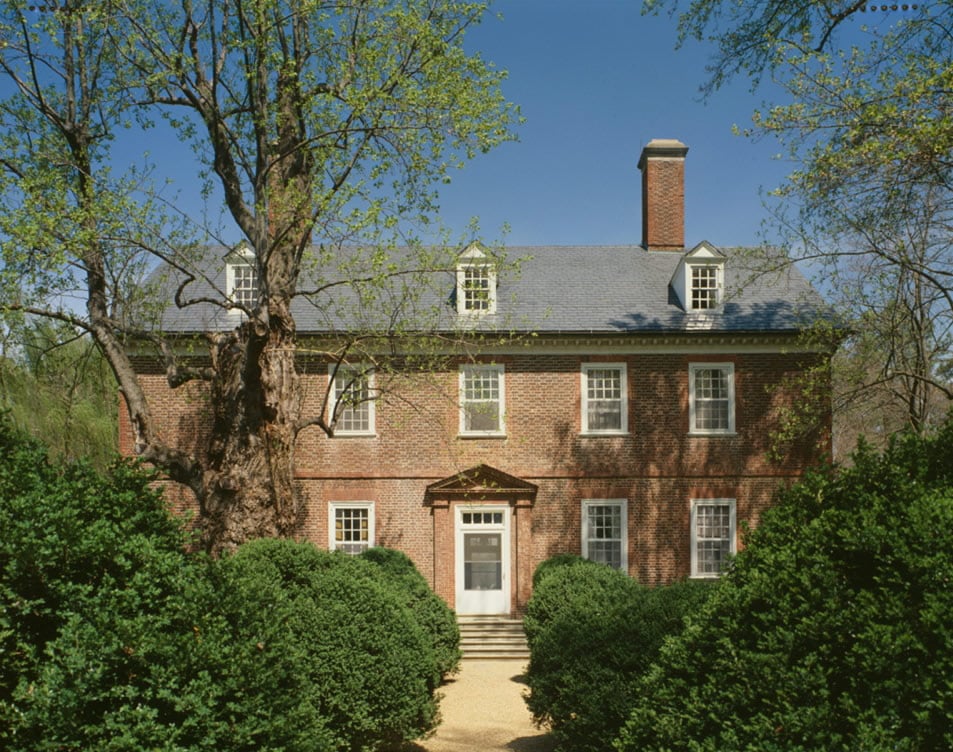
Charles City, VA
Benjamin Harrison IV built the current mansion at Berkeley Plantation in 1726, making it one of the oldest three-story brick houses in Virginia. The plantation became the birthplace of President William Henry Harrison in 1773 and the ancestral seat of a family that produced a signer of the Declaration of Independence and two U.S. Presidents. During the Civil War, General McClellan used the mansion as his headquarters and the cellar held Confederate prisoners.
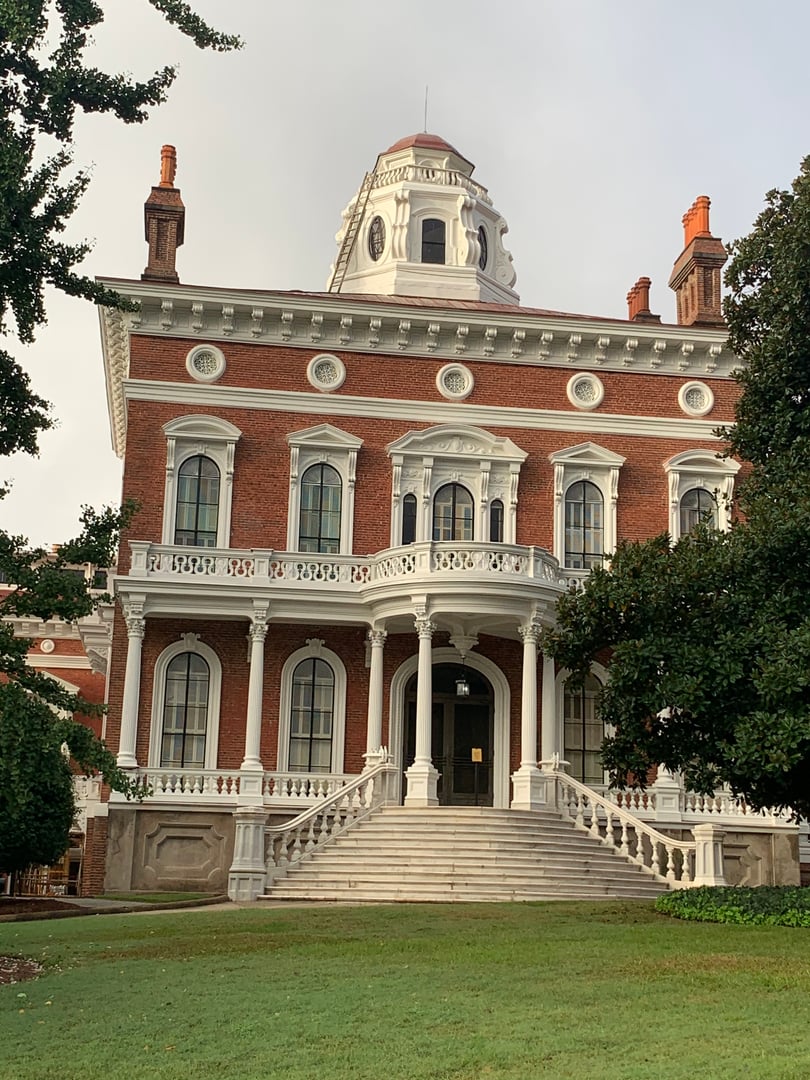
Macon, GA
Built between 1855 and 1859 for businessman William Butler Johnston at a cost of approximately $100,000, the Italian Renaissance Revival mansion at 934 Georgia Avenue has been called the 'Palace of the South' and is a National Historic Landmark. The house remained in Johnston hands through the Civil War, spared when Sherman's march to the sea bypassed Macon; it passed to the Johnstons' daughter Mary Ellen and her husband, Judge William Felton, in 1896. The Hay family acquired the house in 1926 and donated it to The Georgia Trust for Historic Preservation in 1977.