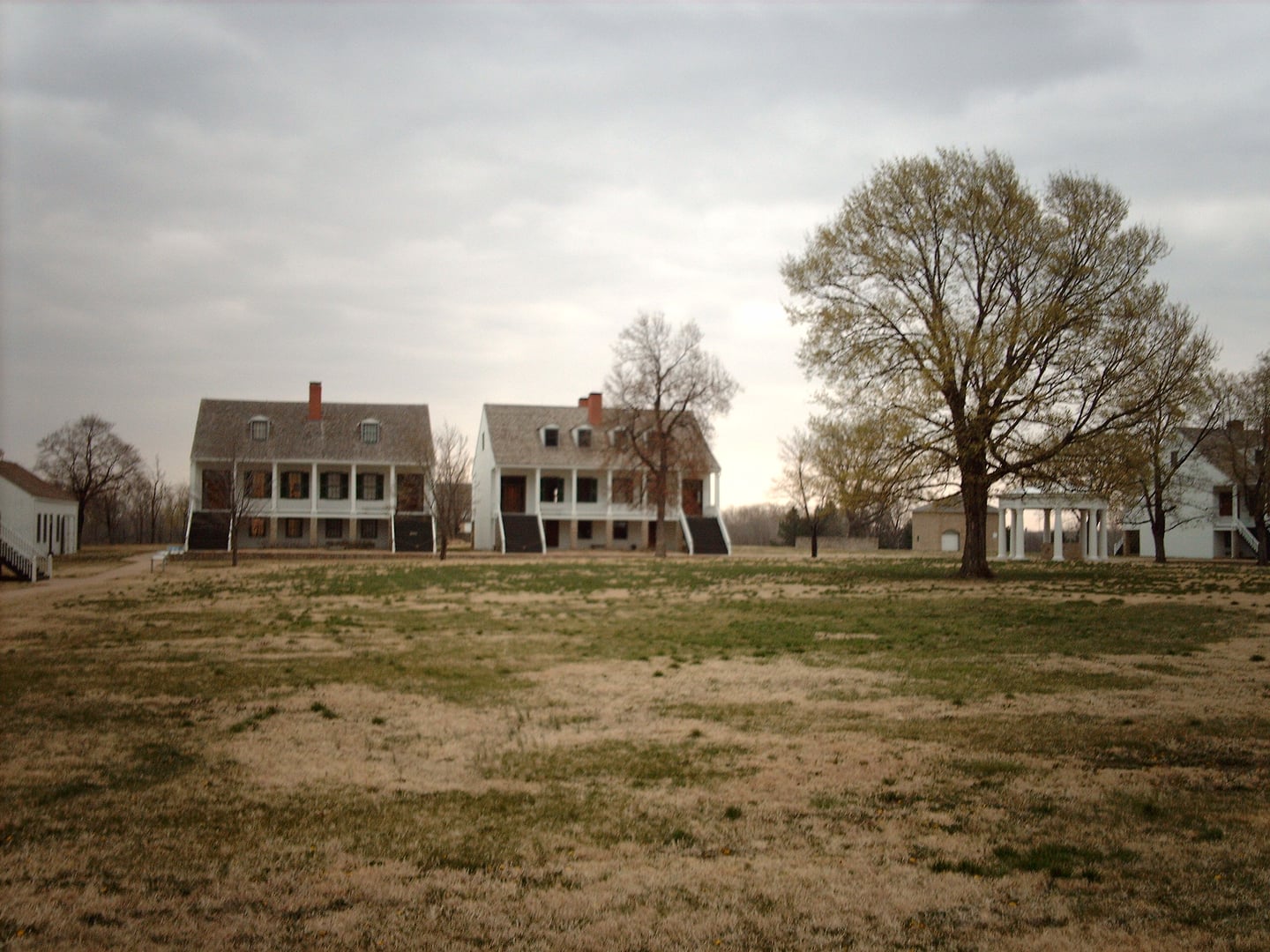
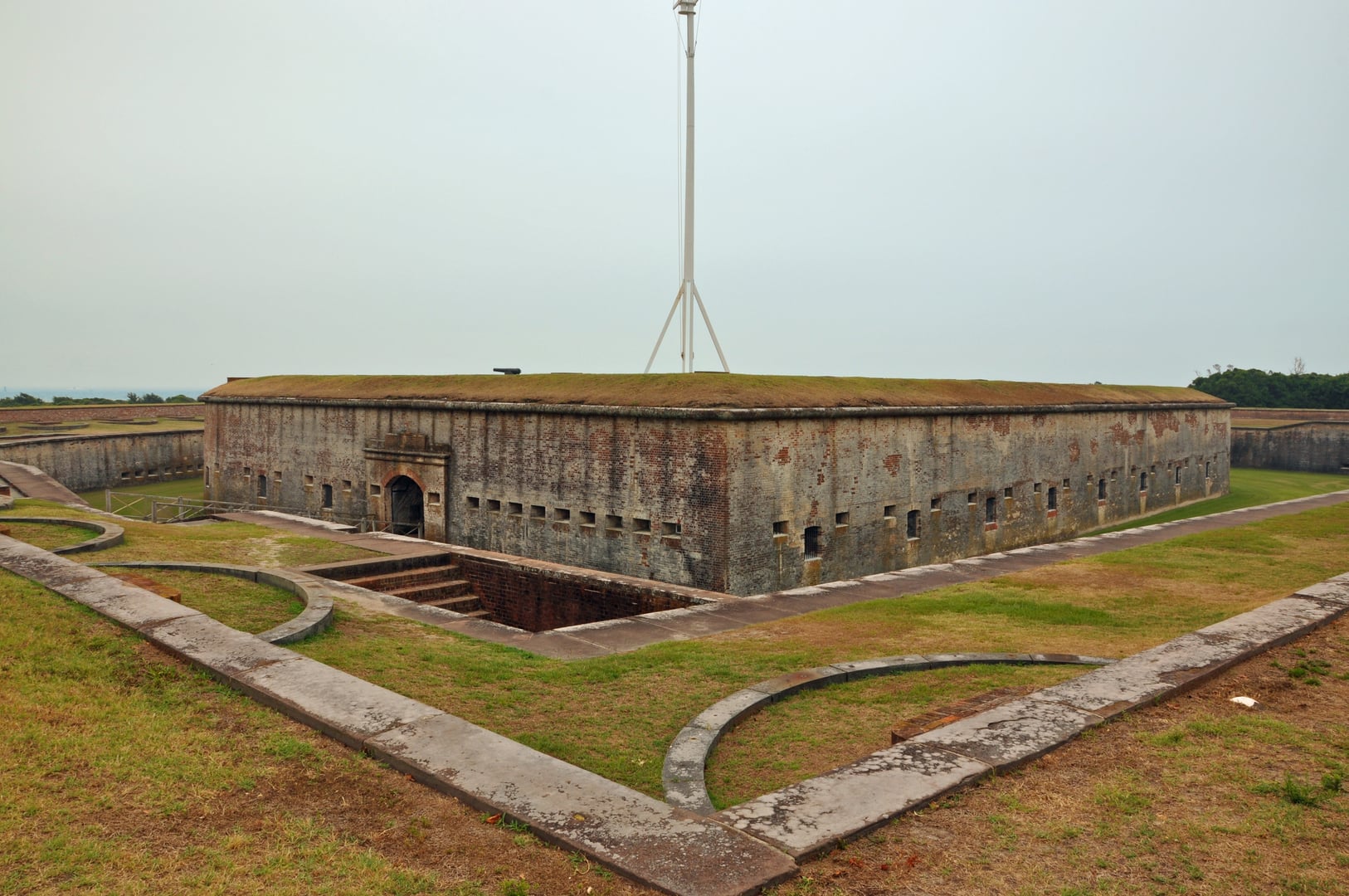
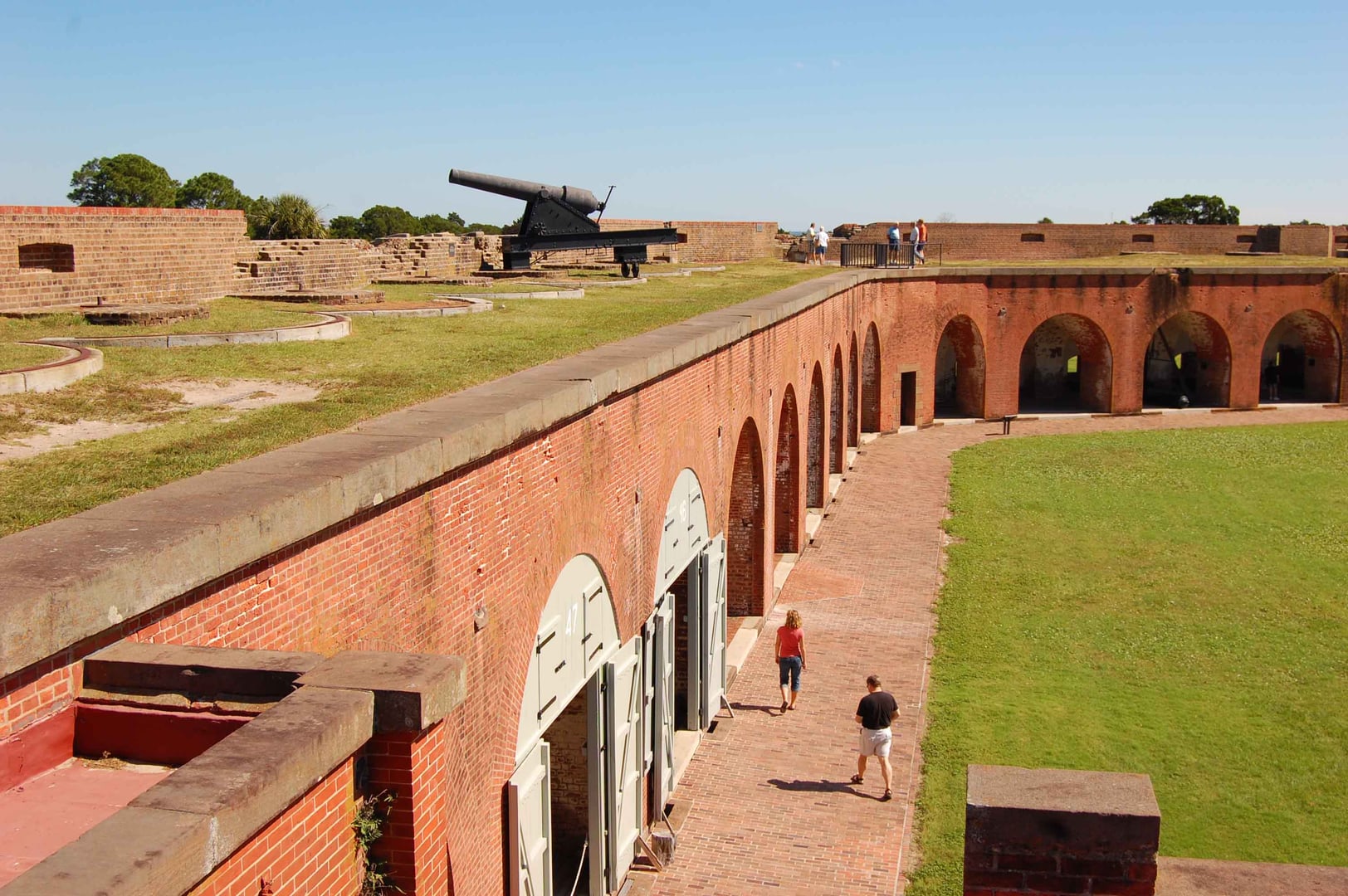
Est. 1849 · First U.S. Army installation in the Pacific Northwest, established 1849 · Original site of the Hudson's Bay Company's Columbia Department headquarters, 1824–25 · Connected to the 1877 Nez Perce campaign and the incarceration of Chief Joseph · Officers Row is one of the best-preserved collections of Victorian military housing in the country · National Historic Site encompassing 207 acres in two states
The site on the north bank of the Columbia River has been occupied continuously for nearly two centuries. The Hudson's Bay Company established Fort Vancouver in 1824–25 as the headquarters of its Columbia Department fur trade. Under Chief Factor John McLoughlin the post grew into the commercial and administrative center of the entire Pacific Northwest, supplying British and American settlers alike.
The United States Army established adjacent barracks in 1849, two years after the Oregon Treaty resolved the boundary dispute with Britain at the 49th parallel. The Vancouver Barracks became the first permanent U.S. military post in the Pacific Northwest and a staging point for operations throughout the region. Chief Joseph of the Nez Perce was held there briefly following the 1877 campaign. The post cemetery, established in the 1850s, holds 314 graves including soldiers, officers, and civilians.
During the late 19th century the barracks housed multiple infantry companies. Military records document numerous deaths on the post from disease, accidents, and suicide during this period. The fort's original HBC structures were demolished by the 1860s; reconstructed buildings now stand on the original footprints based on archaeological work begun in the 1940s.
Vancouver Barracks remained active through the Korean War era and into the modern period. The Army transferred the property to the National Park Service in stages beginning in the 1990s; the last military units departed in 2011. The National Historic Site encompasses 207 acres across two states — the Fort Vancouver unit in Washington and the McLoughlin House in Oregon City.
Sources
- https://en.wikipedia.org/wiki/Fort_Vancouver_National_Historic_Site
- https://en.wikipedia.org/wiki/Vancouver_Barracks
- https://www.nps.gov/fova/learn/historyculture/1880svancouver.htm
- https://www.columbian.com/news/2016/oct/23/spirit-tales-walking-tour-fort-vancouver-stories-haunted/
Uniformed sentry apparition on parade groundsLady in White in Officers Row windowsSounds of marching footstepsShadowy figures in period military dress
Jefferson Davis, a military historian who served at the Vancouver Barracks and later became the local authority on its supernatural history, documented the sentry story in his Spirit Tales tours and writing. Tryggve Jgerdwine, a private in Company F of the 14th Infantry, was assigned the nighttime patrol of the parade grounds on December 10, 1890. According to contemporary records Davis cites, Jgerdwine killed himself with his own rifle after completing his shift. Multiple witnesses over the years have reported a uniformed figure on the parade grounds, bayonet forward, challenging passersby — behavior consistent with an 1880s sentry post.
A separate recurring figure is the Lady in White, described by witnesses as a woman seen in the windows of the Victorian officer quarters on Officers Row, sometimes reported weeping. The identity of this figure has not been established. The original post cemetery holds 314 graves, and military records confirm numerous deaths on the post from disease, accident, and suicide during the late 19th century.
A story documented in an 1880s newspaper account — predating the current ghost tour tradition — describes a sentry who killed himself with his rifle after his shift, the same pattern as the Jgerdwine account. Davis's Spirit Tales tours, running since the mid-2010s, treat the documented deaths as historical context for the reported phenomena rather than sensationalizing them.
Notable Entities
Tryggve Jgerdwine (documented death December 10, 1890)Lady in White (unidentified)
Where this legend is told