Bennington Triangle · Vermont Missing Persons History · Long Trail · Ghost Town
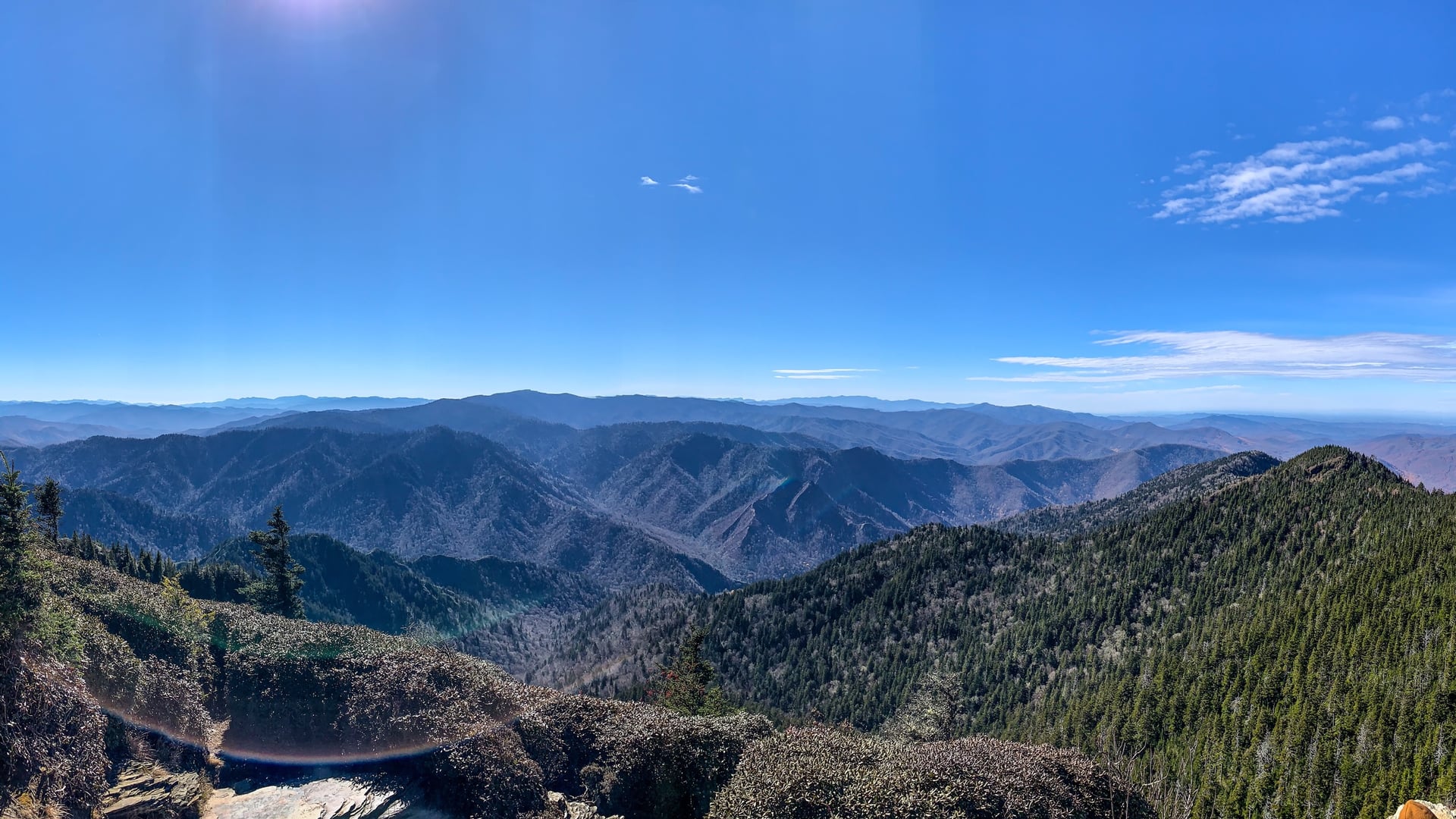
Glastenbury Mountain anchors approximately 36 square miles of wilderness in the southwestern corner of Vermont, encompassing the ghost town sites of Glastenbury and Fayville — communities that briefly existed around the logging and charcoal industries of the late 19th century and were abandoned after the railroad discontinued service to the area around 1900.
The mountain's modern reputation rests on five disappearances that occurred in a concentrated five-year period. Middie Rivers, a 74-year-old hunting and fishing guide thoroughly familiar with the terrain, vanished in November 1945 while leading a party back from Glastenbury Mountain. Paula Jean Welden, a Bennington College sophomore in a red jacket, was last seen walking the Long Trail near Route 9 in December 1946 — she appeared to a witness, walked around a bend, and was never seen again despite extensive searches. James Tedford, a 68-year-old World War I veteran, disappeared from a bus he had boarded in St. Albans, Vermont, in December 1949; witnesses saw him board, but he was not present when the bus arrived in Bennington. Eight-year-old Paul Jepson vanished from his mother's vehicle near a farm dump in 1950. Frieda Langer disappeared while hiking a familiar section of Glastenbury Mountain with her cousin that same year — she fell in a stream, left to change clothes, and never returned.
The disappearances drew national attention. Vermont, partly in response to the Welden case, established its first state police force. The cases remain officially unsolved.
Author Joseph Citro coined the term Bennington Triangle in 1992 to describe the geographic area encompassing the disappearances, a term that entered regional folklore. The mountain continues to draw researchers, hikers, and visitors interested in the historical record.
Sources
- https://en.wikipedia.org/wiki/Bennington_Triangle
- https://www.legendsofamerica.com/bennington-triangle-vermont/
- https://obscurevermont.com/the-vanished-town-of-glastenbury-and-the-bennington-triangle/
- https://www.vermontpublic.org/podcast/brave-little-state/2025-03-06/the-bennington-triangle-how-5-mysterious-disappearances-developed-a-cult-following-online
- https://happyvermont.com/2014/10/23/glastenbury-ghost-town/
Residual hauntingShadow figures
The Bennington Triangle was named by Vermont author Joseph Citro in 1992, and most retellings since have opened the same way: with a line about Indigenous peoples avoiding the mountain, using it only for burials, and warning of a stone in the heights that could open and swallow a person whole.
That framing does not hold up. No primary account, tribal source, or ethnographic record has been found behind it, and the Abenaki and Algonquian peoples it is attributed to are not cited anywhere as its origin. It travels because it is a good opening line, and it has been repeated often enough to read as established history. We record it here as what it is -- a component of the modern legend, not a documented Indigenous belief -- because attributing an invented curse to real peoples is its own kind of harm.
The absence-of-sound reports are a different matter. Visitors entering the upper forest describe it going quiet: not the stillness of a calm day but the categorical absence of bird calls, insect noise and small-animal movement. The observation recurs across independent accounts with no apparent coordination between them.
Five people vanished here between 1945 and 1950. Frieda Langer, whose body was recovered in May 1951 in an area searched thoroughly the previous autumn, is the only one whose fate was even partly resolved. The others left no physical trace.
The Green Mountain Club trails stop well below the summit, and the forest service roads above them function more as snowmobile tracks than walking paths. The upper mountain is genuinely remote, and that is the one thing about it nobody disputes.
Media Appearances
- Bennington Triangle — Vermont Public Radio Brave Little State (2025)