Outdoor Exploration
Springs Exploration
Explore Brunswick Springs and surrounding natural area. Visitors report experiencing unexplained burning smells, screaming sounds, and sensation of being pushed by unseen forces.
- Duration:
- 2 hr
Haunted Natural Springs in Vermont
Brunswick, VT
Research updated May 2026
Age
All Ages
Cost
Free
Free public area
Access
Limited Access
Natural springs area
Equipment
Photos OK
Natural Vermont Springs
Brunswick Springs is a natural geological site in Brunswick, Vermont, featuring six mineral springs flowing into the Connecticut River 65 feet below. The springs contain distinct minerals: iron, calcium, magnesium, sulfur, bromide, and arsenic. Ripley's Believe It or Not designated the springs the 'Eighth Wonder of the World' in 1984. The site is located in the Northeast Kingdom region of Vermont, a remote area of approximately 100 residents.
The commercial history of Brunswick Springs is marked by repeated failures attributed locally to a Abenaki curse. According to legend, in 1748 during the French and Indian War, an Abenaki man and his baby were killed during a conflict over efforts to commercialize the springs' healing waters. The child's mother, described as a sorceress, allegedly cursed the springs, declaring that 'any use of the waters of the Great Spirit for profit will never prosper.' Commercial ventures that followed were consistently destroyed by fire: the Brunswick Springs House in 1894, a hotel in 1929, and another in 1931. No commercial development has successfully operated at the site since. In recent decades, the Abenaki (through Wabanaki Inc.) obtained legal ownership of the land and established protective agreements preventing future development.
Sources
Brunswick Springs carries a layered reputation combining indigenous curse narrative with modern visitor accounts. The curse legend originates in 1748, when Abenaki peoples objected to European attempts to profit from the springs' mineral waters, sacred to their ancestral traditions. A conflict resulted in deaths and a purported sorceress's curse against commercialization.
This curse narrative gained credibility through documented events: four major fires destroyed every commercial hotel built on the site between 1894 and 1931. The 1894 destruction of the Brunswick Springs House hotel, followed by fires consuming hotels in 1929 and 1931 (the latter two attributed to unknown causes), created a pattern that reinforced belief in the curse's efficacy. No successful commercial operation has since been established.
Modern visitor accounts describe paranormal phenomena consistent with poltergeist or residual haunting activity. Visitors report sensing unseen presences, experiencing sensations of being pushed or touched despite no visible contact agents, and encountering unexplained burning or sulfurous odors. Disembodied screaming and shouting sounds are reported, particularly during nighttime visits. These accounts suggest either psychological phenomena induced by the site's charged history and mineral emissions, or genuine paranormal activity as interpreted by witnesses. The site's isolation, geological activity (sulfur springs naturally produce distinctive odors), and cultural weight of the curse narrative create an atmospherically charged environment regardless of paranormal mechanism.
Explore Brunswick Springs and surrounding natural area. Visitors report experiencing unexplained burning smells, screaming sounds, and sensation of being pushed by unseen forces.
Every HauntBound history is researched from documented sources. We clearly separate verified historical fact from paranormal folklore.
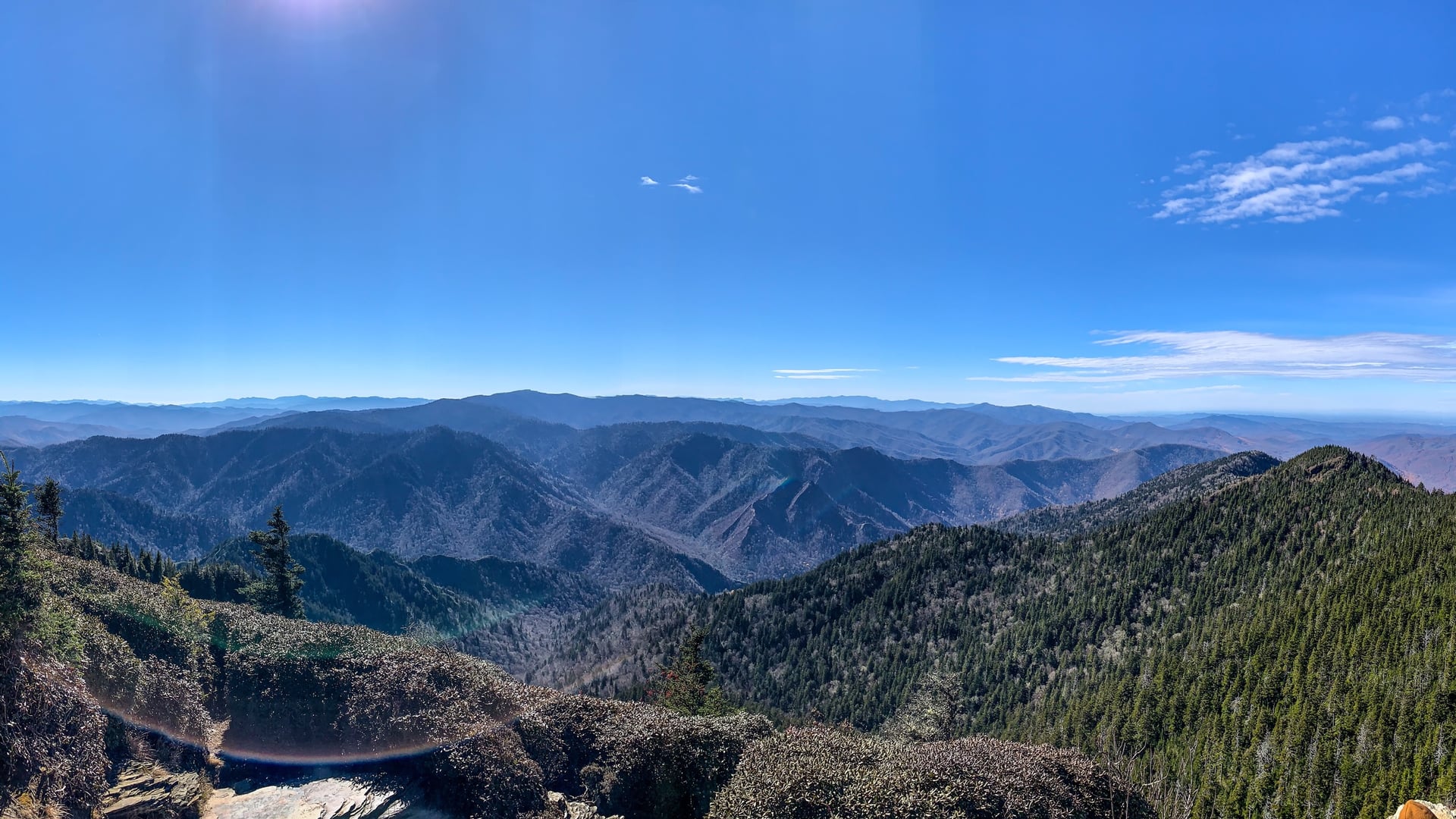
Gatlinburg, TN
Great Smoky Mountains National Park preserves 522,427 acres of southern Appalachian terrain across Tennessee and North Carolina. The land was the heart of the Cherokee Nation before forced removal in 1838 along what became the Trail of Tears, and home to Appalachian Scots-Irish and English settler communities through the early twentieth century. Congress authorized the park in 1926; it was formally dedicated by Franklin D. Roosevelt on September 2, 1940.
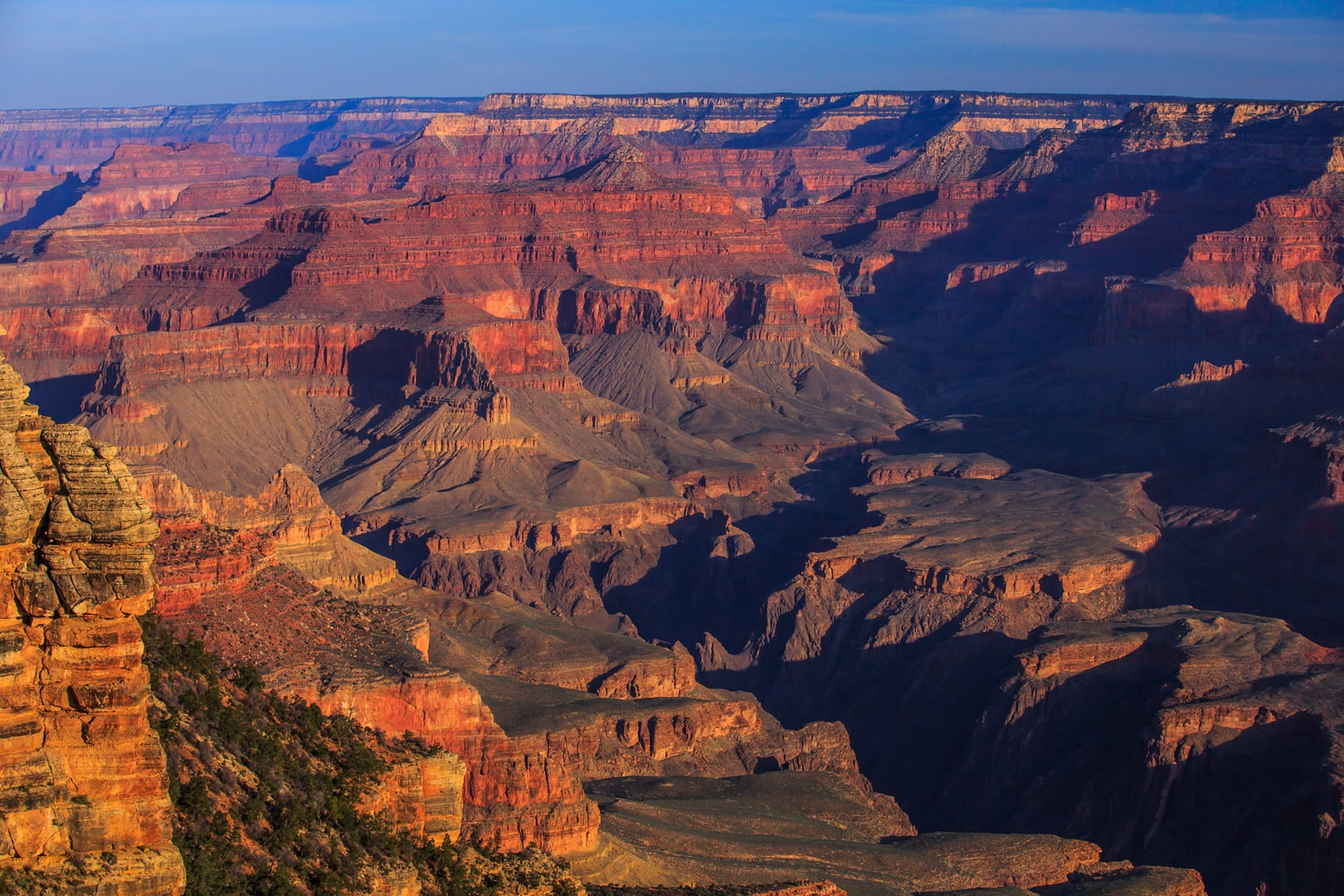
Grand Canyon Village, AZ
Grand Canyon National Park encompasses 1,217,262 acres of canyon, plateau, and Colorado River corridor in northern Arizona. President Theodore Roosevelt proclaimed the Grand Canyon a national monument in 1908; Congress established the national park on February 26, 1919. The park's South Rim Grand Canyon Village Historic District and North Rim Grand Canyon Lodge are landmarks of early National Park Service architecture.
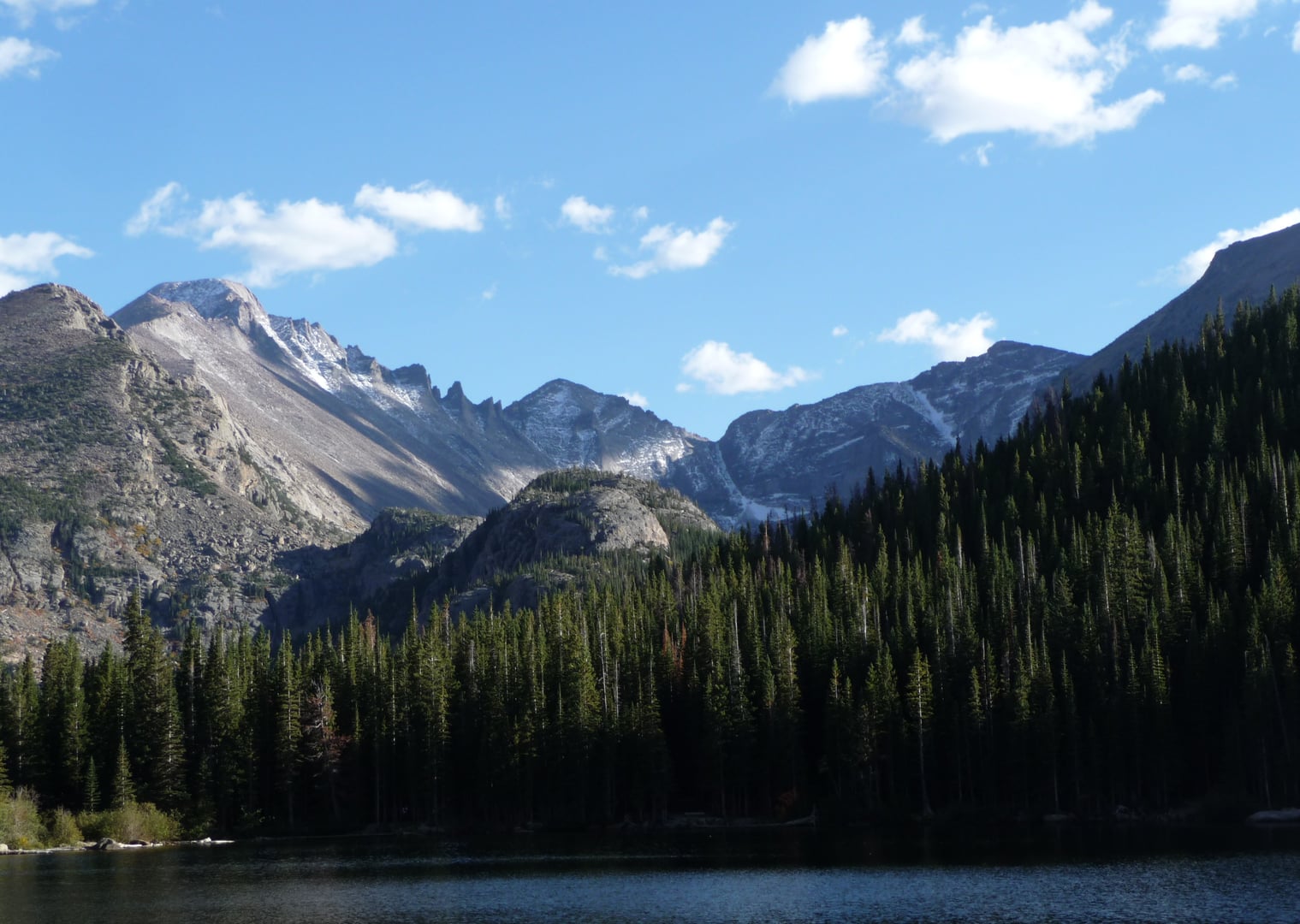
Estes Park, CO
Rocky Mountain National Park, established by President Woodrow Wilson on January 26, 1915, preserves 415 square miles of Front Range Colorado including Trail Ridge Road, Longs Peak, and the headwaters of the Colorado River. The park's Ute and Arapaho heritage is documented in oral tradition and in early settler accounts including the Legend of Grand Lake.