Est. 1813 · War of 1812 Defense · August 13, 1813 British Attack Repelled · Cholera Encampment Deaths · Civil War / Indigenous Monuments · Lake Champlain Overlook
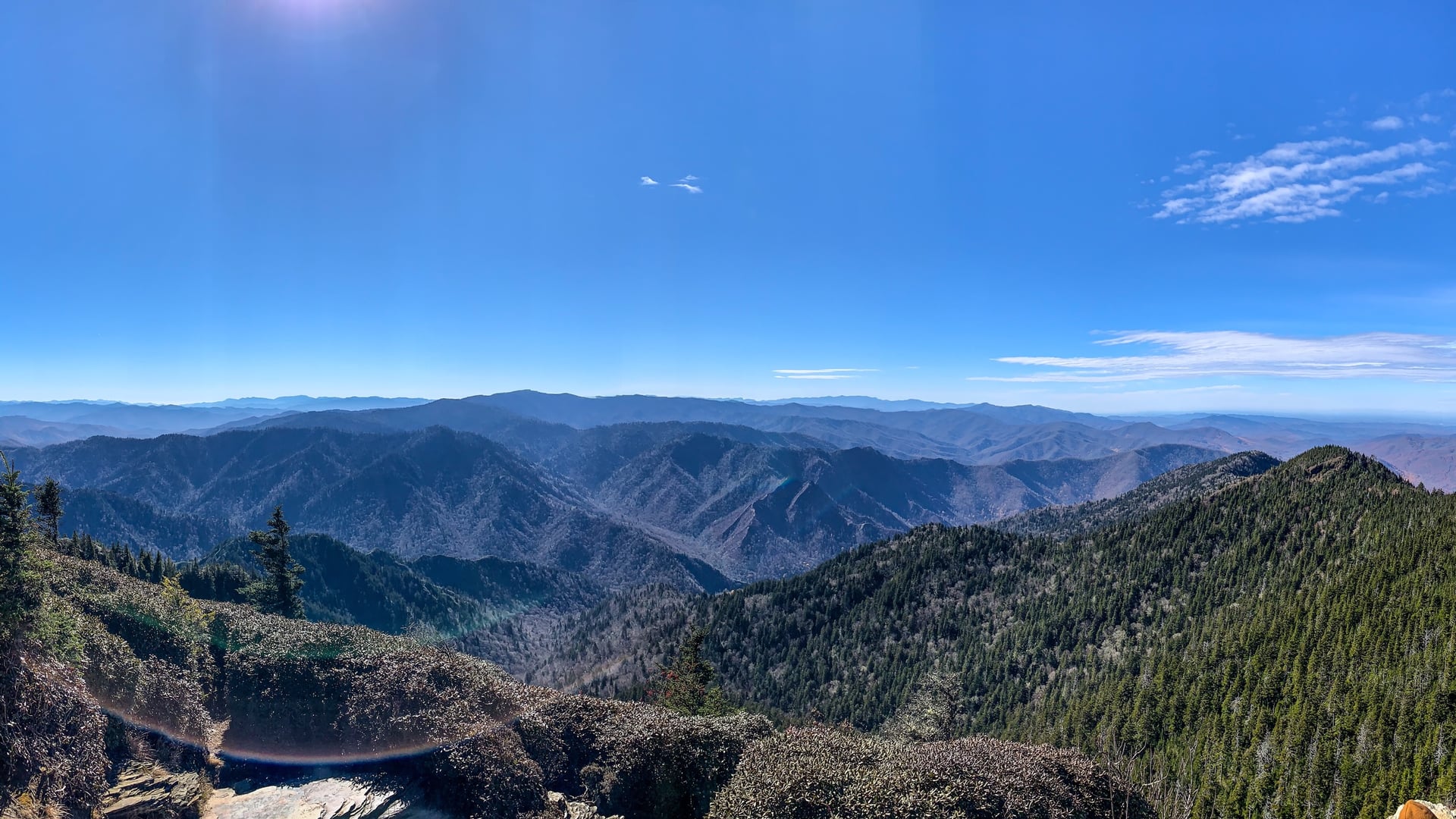
During the War of 1812 the United States stationed troops in Burlington as part of the northern frontier defense along Lake Champlain. The bluff that is now Battery Park gave artillery a commanding view of the lake and the town's harbor, and a battery was positioned there — the source of the park's later name.
On August 13, 1813 a British squadron under Lieutenant Colonel John Murray sailed toward Burlington and was repelled by the American battery and supporting forces stationed at the bluff. The episode is the park's principal military-history anchor.
The broader cost of the Burlington encampment, however, came from disease rather than combat. A cholera outbreak in the camp killed a significant number of soldiers stationed there. (The Vermont Historical Society's writeup on Battery Park notes the outbreak but does not provide a documented total in the source reviewed; ghost-lore writeups frequently cite figures in the thousands stationed in Burlington but these are not corroborated here at the level of casualty tallies.)
The land was officially deeded to the city of Burlington in 1870, and the Battery Park Extension was added to its southern end in 1972. The park's present amenities include a bandshell, playground, monuments, and the bluff-edge overlook. Notable on-site monuments include a bronze statue of Civil War General William W. Wells and a red-oak sculpture of Chief Gray Lock, a veteran of Gray Lock's War. According to Rudyard Kipling, the sunset view from Battery Park was rivaled in the world only by Kenya's Ngong Hills.
Sources
- https://en.wikipedia.org/wiki/Battery_Park_(Burlington,_Vermont)
- https://vermonthistory.org/burlingtons-battery-park
- https://www.hauntedplaces.org/burlington-vt/
Headless soldier apparitionFigure with bullet wound to foreheadVanishing apparitions near the overlook
Battery Park is one of Burlington's longest-running open-air haunt locations, and the ghost-lore writeups treat it as the city's most direct War-of-1812 paranormal site. The two most-repeated apparition descriptions are a headless soldier in 1812-era military dress and a figure with a visible bullet wound to the forehead, the latter associated in some retellings with a scene of the figure crouching to hide a body behind a boulder near the bluff edge.
Visitor reports collected by Queen City Ghostwalk and aggregated on regional sites describe apparitions that vanish on approach near the overlook. Most accounts are brief — a figure seen out of the corner of the eye, then gone — which is consistent with the residual-loop or crisis-apparition archetypes the documented history (sudden death from disease, soldiers far from home) might be expected to produce.
The stronger of the two source legs is the documented historical record: the encampment, the British attack on August 13, 1813, and the cholera outbreak that killed soldiers in the camp are documented in Wikipedia and the Vermont Historical Society's writeup. The paranormal-specific reports come primarily from the Haunted Places regional database and Queen City Ghostwalk, with the figure descriptions consistent across retellings but no named-witness account anchored to a single date.
HauntBound editorial note: the cholera deaths and War-of-1812 violence here are real historical tragedies. Tour and editorial framing should treat them as such — context, not spectacle.
Notable Entities
Unnamed War of 1812 soldiers (encampment + cholera deaths)