Est. 1905 · Smyth County Seat · 1905-1906 Courthouse Construction · Southwest Virginia Heritage · Documented by Society of Architectural Historians
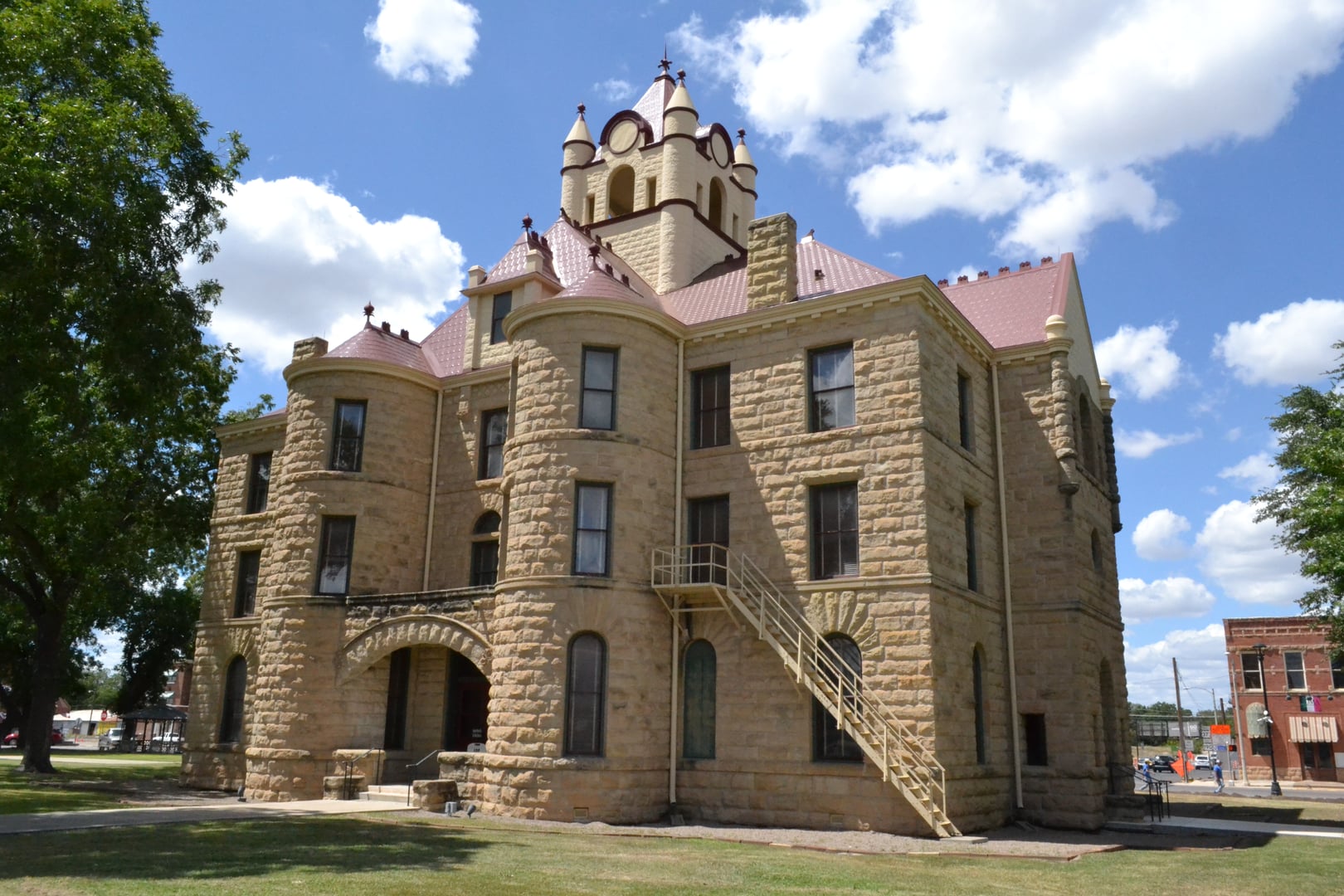
The Smyth County Courthouse stands at 109 W Main Street in Marion, Virginia, the county seat of Smyth County in the southwestern corner of the state. The Society of Architectural Historians' Archipedia documents the building's construction date as 1905-1906, placing it among the wave of Virginia county courthouse renovations and new builds that followed the post-Civil War recovery period and the expansion of local government infrastructure.
The courthouse is recognized by the Virginia Association of Counties as a historic landmark and a draw for heritage tourism in Smyth County. Its location in Marion's downtown historic district ties it to the broader commercial and civic architecture of the town, which developed as a regional center along the Norfolk and Western Railway corridor.
The building retains decommissioned jail cells on its upper floors, a common feature of older county courthouses that combined judicial, administrative, and detention functions under one roof. These spaces have been out of active use for decades. The courthouse has continued to serve as the working seat of Smyth County government, with active offices and court proceedings in the main building.
Sources
- https://sah-archipedia.org/buildings/VA-02-SM1
- https://www.vaco.org/county-connections/visit-smyth-county-and-the-smyth-county-historic-courthouse/
Disembodied footstepsUnexplained whistlingApparitions
The paranormal tradition at the Smyth County Courthouse centers on its decommissioned upper-floor jail cells. Accounts collected by Haunted Places describe three recurring phenomena: disembodied footsteps ascending the staircase when no one is present, an unexplained whistling sound near the old cells, and occasional sightings of a figure called the 'Phantom Judge' — a robed apparition reported in the corridor outside the courtroom.
The most specific firsthand account involves a summer intern working late in the building. According to the report, the intern heard a phone ring on a line that should have been inactive and then heard footsteps moving through the empty building. The account is anecdotal and comes through a single aggregator source, which limits confidence in its full detail.
Given the single-source nature of the haunting documentation, the paranormal tradition here is best treated as courthouse lore rather than corroborated investigation. The building's decommissioned cells and century-plus of continuous institutional use provide the atmospheric backdrop that tends to anchor such stories in county seat buildings across the American South.
Notable Entities
The Phantom Judge (folkloric figure)