Self-Guided Visit
Historic Market Self-Tour
Walk the indoor market building, in use since 1886 and rebuilt after an early fire. Local restaurants now occupy the stalls where vendors operated for a century.
- Duration:
- 30 min
HauntBound archive · catalog record
Reported phenomena, as catalogued
Virginia's oldest continuously operating open-air market, rebuilt in 1922 after fire — ghost tours report cold spots and displaced merchandise in its indoor stalls.
32 Market Square SE, Roanoke, VA 24011
Research updated August 2026
Age
All Ages
Cost
Free
Free to enter the market building; individual vendors and restaurants have their own pricing
Access
Wheelchair OK
Flat indoor market floor; accessible from Market Square
Equipment
Photos OK
Est. 1922 · Oldest Continuously Operating Market in Virginia · National Register of Historic Places · Roanoke Commercial History
Roanoke's City Market has its roots in 1882, when the city issued licenses to the first vendors operating on what would become Market Square. The first City of Roanoke Charter formally authorized a municipally-owned market in 1884, and the original City Market Building was completed in 1886, forming the core of a complex that grew to include a Curb Market and the surrounding Market Square.
The original structure was lost to fire and replaced by the current 1922 building, which has remained the physical anchor of the market ever since. The Historic Roanoke City Market District is listed on the National Register of Historic Places, with the Department of Historic Resources confirming the district's significance in 2000.
The market operated as a traditional farmers market for decades before the City Market Building was renovated into a food court in the mid-1980s. Local restaurants now occupy the stalls where produce vendors and farmers conducted business for nearly a century. The outdoor market on Market Square continues to operate alongside the renovated interior, maintaining the site's claim as Virginia's oldest continuously operating open-air market.
Sources
US Ghost Adventures' Roanoke walking tour lists the City Market Building among its downtown stops, citing the building's long commercial history and the concentration of unexplained activity reported by staff over the years. Cold spots in specific sections of the indoor market are among the most consistently described phenomena.
The more striking accounts involve merchandise moving between overnight shifts — items found in different positions than they were left at closing, with no clear explanation. Some accounts describe the appearance of figures in older clothing in the stalls, interpreted as former vendors continuing their routines in the building where they spent their working lives.
The City Market Building's long, layered history — more than a century of daily commercial activity by generations of vendors — gives the paranormal accounts a contextual anchor, even if no specific historical incident has been formally identified as their source.
Walk the indoor market building, in use since 1886 and rebuilt after an early fire. Local restaurants now occupy the stalls where vendors operated for a century.
US Ghost Adventures' walking ghost tour includes the City Market Building as a stop, covering its paranormal reputation alongside other downtown Roanoke sites.
Some links on this page may earn HauntBound a small commission when you book, at no extra cost to you. Our editorial picks are independent. Full disclosure
This Roanoke tour includes Roanoke City Market Building on its route.
Every HauntBound history is researched from documented sources. We clearly separate verified historical fact from paranormal folklore.
Free Guide
9 verified stops, rated for families, mapped in order. Free.
One email to confirm, then the guide link. Unsubscribe anytime.
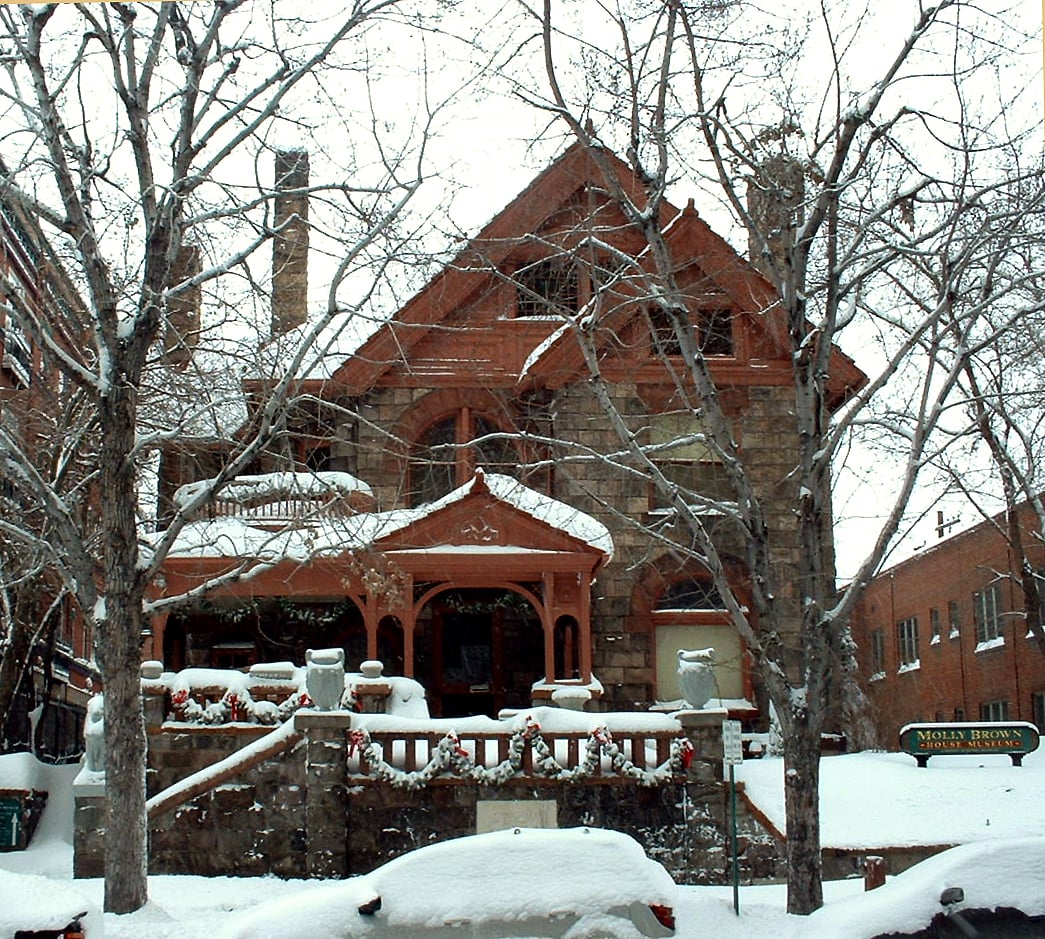
Denver, CO
The Molly Brown House in Denver was the home of philanthropist and Titanic survivor Margaret Brown from 1894 until her death in 1932. Designed by architect William A. Lang in 1889 in a mixed Queen Anne and Richardsonian Romanesque style, the house has operated as a museum under Historic Denver Inc. since 1971 after a public campaign saved it from demolition.
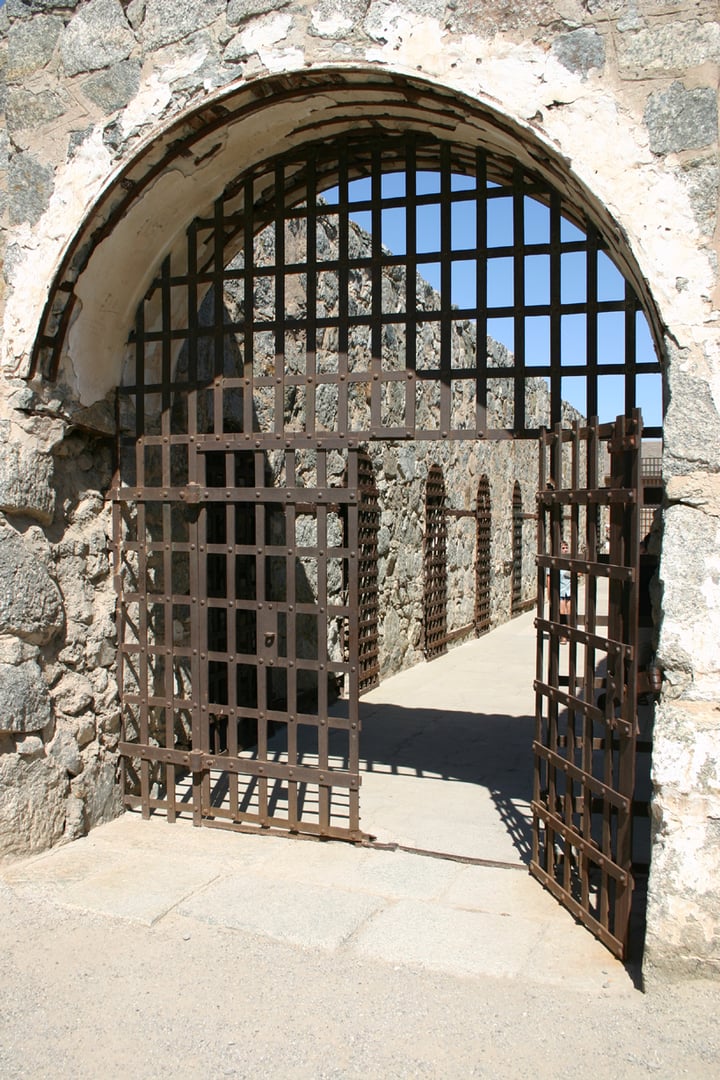
Yuma, AZ
Yuma Territorial Prison operated from 1876 to 1909 on a bluff overlooking the Colorado River in Yuma, Arizona. It held 3,069 prisoners during its 33-year operation, including 29 women. The facility became a state historic park and has been voted by USA Today readers as the Best Haunted Destination in the nation.
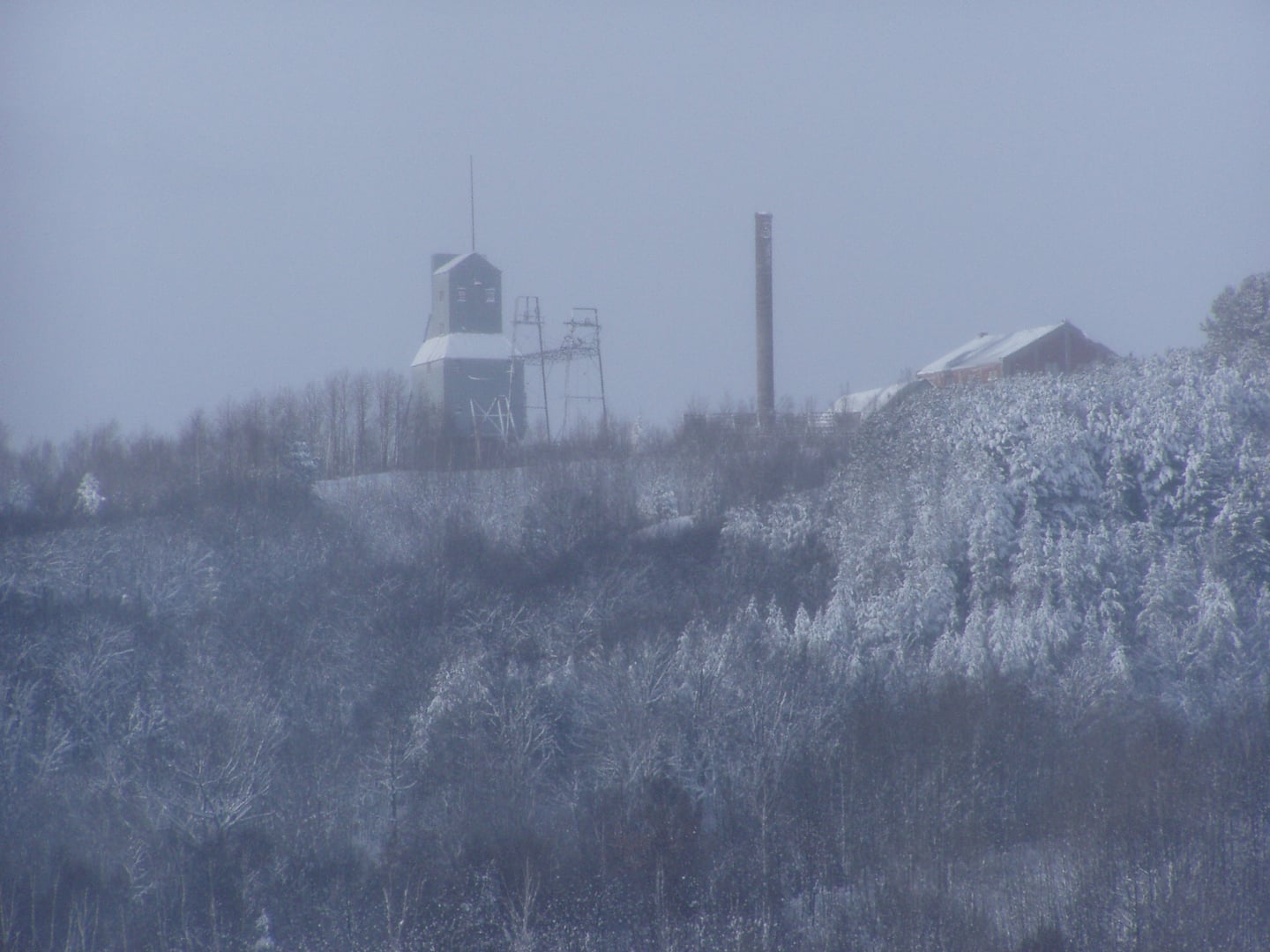
Hancock, MI
The Quincy Mining Company began extracting copper from the Keweenaw Peninsula in 1846 and operated continuously until 1945, producing nearly a billion pounds of copper. During that period, 253 workers died in documented underground accidents. At its deepest, the mine reached 9,000 feet — the deepest copper mine in the world at the time — and its No. 2 shaft hoist house is a National Historic Landmark.