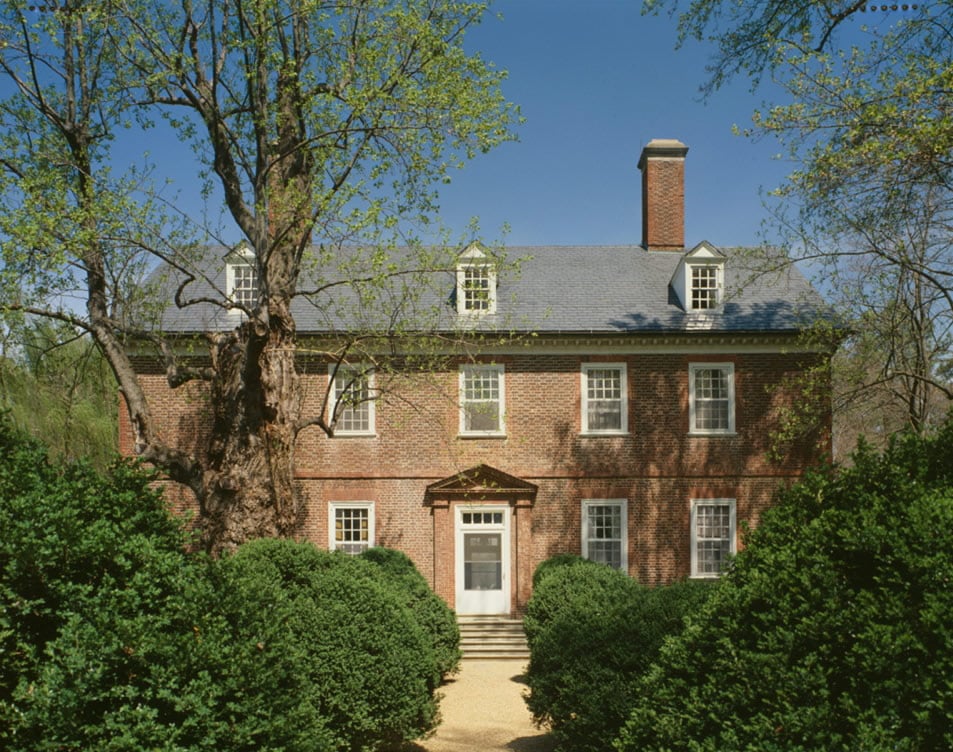
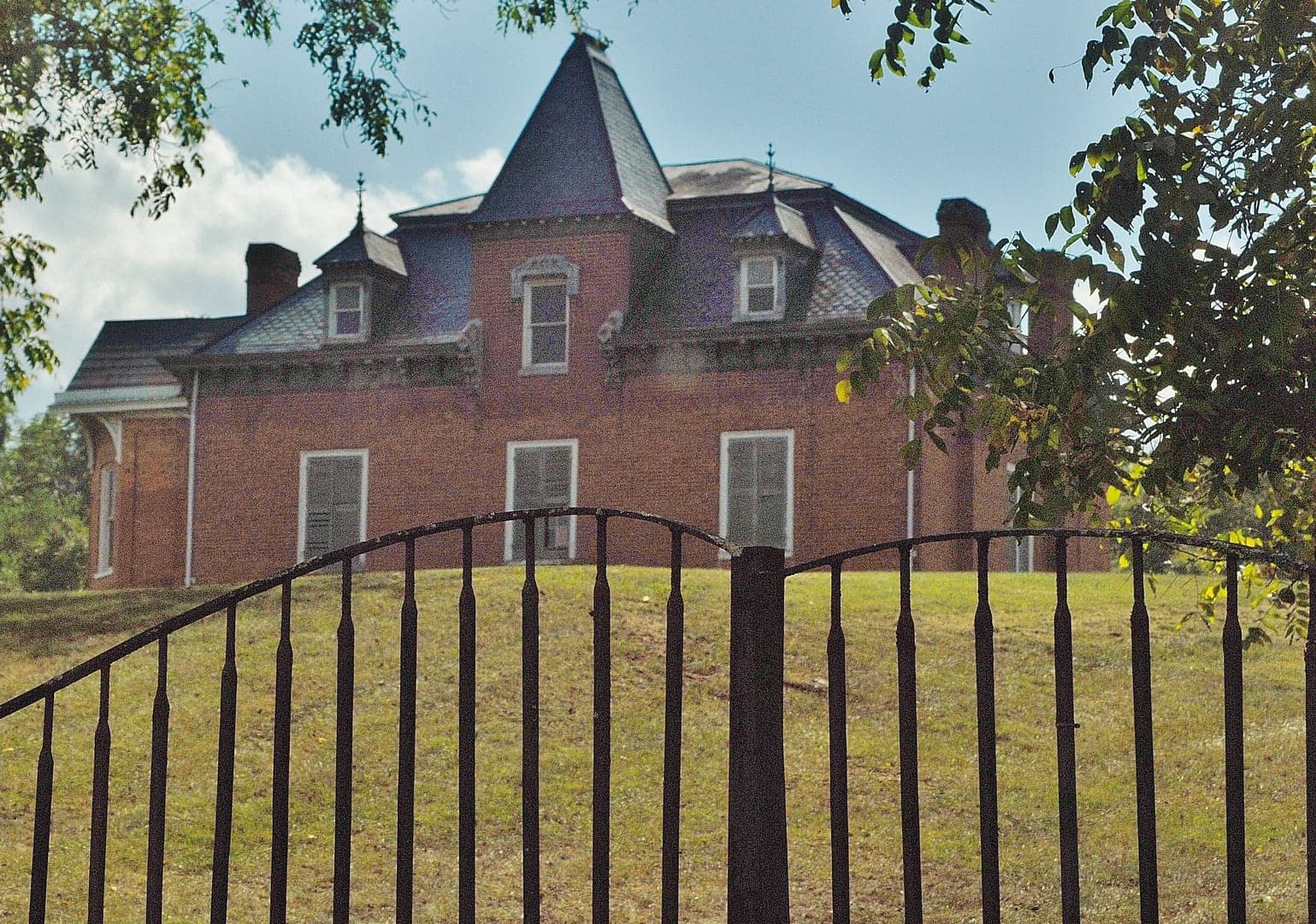
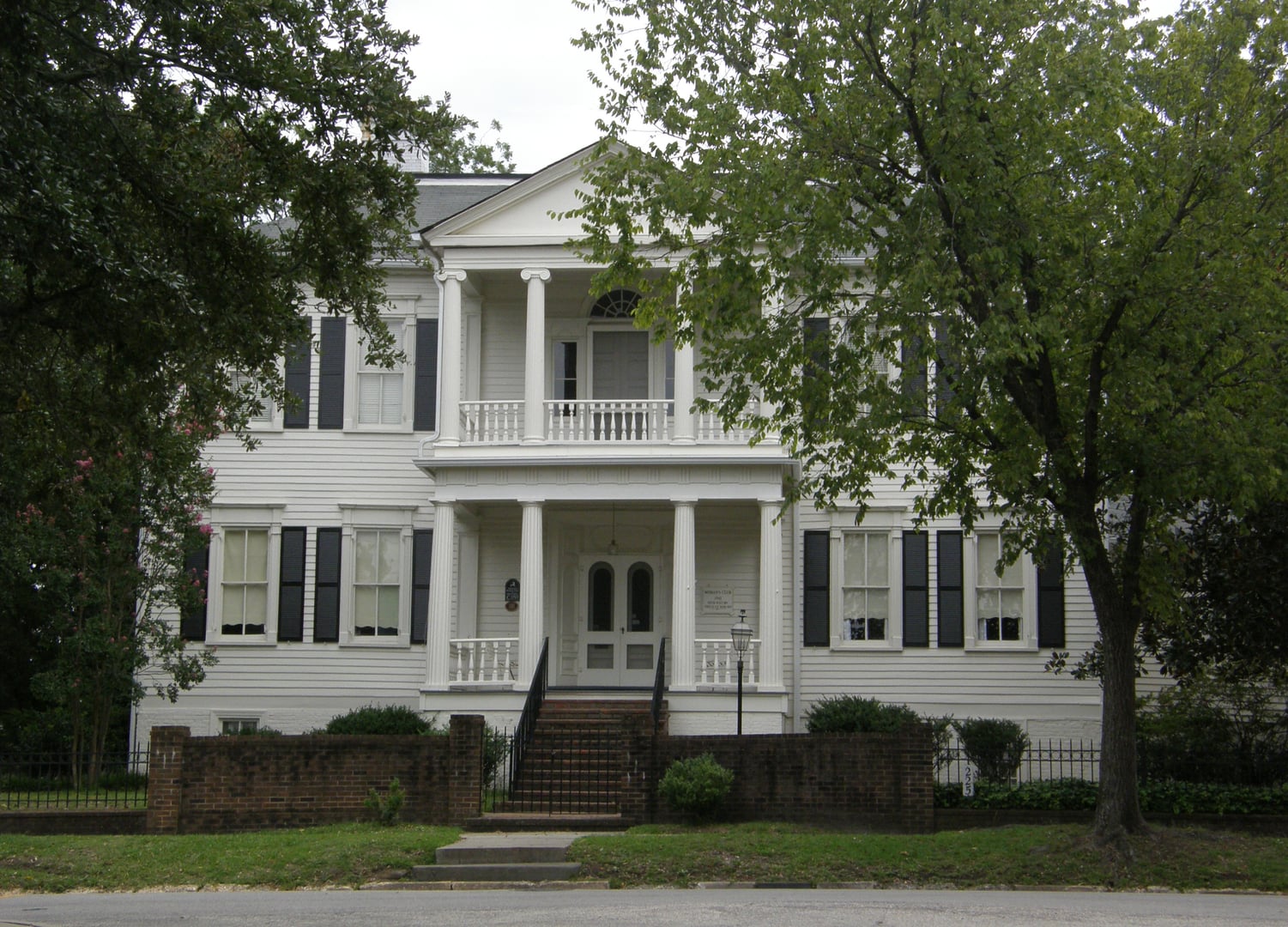
Est. 1725 · Considered the largest and finest colonial mansion in America in its day · Seat of the Page family, one of Virginia's First Families · Associated by tradition with Thomas Jefferson's visits · Listed on the National Register of Historic Places (1969); maintained by the Rosewell Foundation
Construction of Rosewell began in 1725 under Mann Page I (1691-1730), grandson of Colonel John Page of Jamestown, and was completed under Mann Page II around 1738. Built of elaborate Flemish-bond brick with imported marble and mahogany, the three-story mansion enclosed some 12,000 square feet and was described as the largest and finest American house of the colonial period. The Page family was among the First Families of Virginia, and the estate was a center of colonial wealth and politics; Thomas Jefferson, a friend of John Page, is traditionally said to have visited and worked at Rosewell.
The wealth that built Rosewell rested on slavery. The Page ancestor Colonel John Page was connected to the Royal African Company, and the plantation was worked by enslaved African Americans for generations. This history is interpreted by the Rosewell Foundation as part of the site's full story.
The Page family held Rosewell for more than a century before financial reversals forced its sale. The mansion changed hands several times in the 19th century. In 1916 a fire destroyed the house, leaving only the four great chimneys, portions of the brick walls, and the cellar. The ruins were added to the National Register of Historic Places in 1969 and designated a Virginia Landmark in 1968.
Today the Rosewell Foundation owns and maintains the stabilized ruins along with a visitor center and conducts archaeological research on the grounds. The site overlooks the York River in Gloucester County and is open to visitors seasonally. Note: contrary to the Shadowlands seed's claim of an 'early 1600s' four-story house, the documented construction dates are 1725-1738 and the mansion was three stories over a basement.
Sources
- https://en.wikipedia.org/wiki/Rosewell_(plantation)
- https://www.dhr.virginia.gov/historic-registers/036-0041/
- https://www.atlasobscura.com/places/the-ruins-of-rosewell-plantation-gloucester-courthouse-virginia
- https://colonialghosts.com/rosewell-plantation/
Disembodied voices, footsteps, and faint laughterSudden drops in air temperatureApparitions among the chimneys and ruinsCellar-centered cold spots and sounds
According to ghost-lore collected by Colonial Ghosts and other regional sources, the Rosewell ruins are among the more atmospheric haunted sites on Virginia's Middle Peninsula. Visitors report hearing disembodied voices, footsteps, and faint laughter among the ruins, particularly after dark, as if a long-past gathering were still underway. Sudden drops in temperature and fleeting apparitions near the chimneys and east wall are commonly described.
The Shadowlands seed adds details of a 15-degree temperature drop, the 'sound of slaves coming from the fields,' and a young woman who descends the front steps each night. The temperature and voice reports are echoed across multiple ghost-tour sources; the specific 'young woman on the steps' figure is not consistently corroborated and is presented as folklore. A separate, explicitly unsubstantiated rumor holds that enslaved men were entombed in the cellar walls, with cellar-centered phenomena attributed to them.
HauntBound presents these as traditional legends, corroborated as a tradition by multiple sources, while noting that the human story underneath, the lives of the enslaved people who built and worked Rosewell, deserves to be remembered with dignity rather than sensationalized. The verifiable core is the grandeur and ruin of one of colonial America's greatest houses.
Notable Entities
Apparitions of the Page household and the enslaved community