Est. 1715 · Continental Congress · Colonial Williamsburg · History of Slavery in Virginia · Civil War Field Hospital · National Historic Landmark
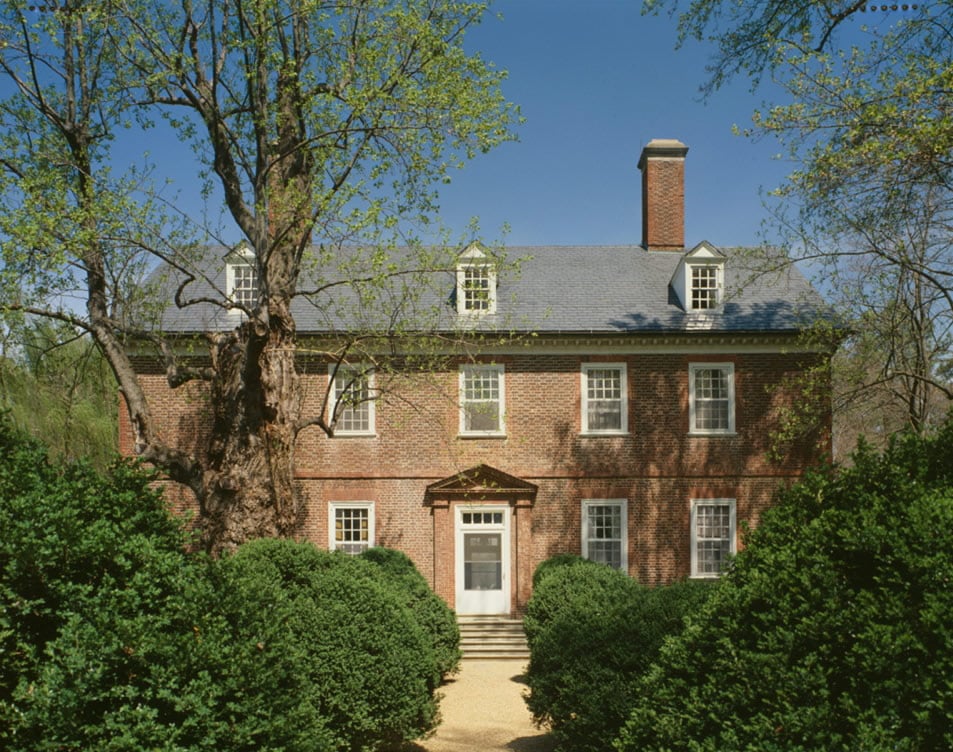
The earliest section of the Peyton Randolph House was built around 1715 by William Robertson, a clerk of the Governor's Council in colonial Virginia. In 1721, Sir John Randolph — one of the most prominent legal figures in Virginia and the only colonial Virginian knighted by the British Crown — acquired the property. Sir John expanded the house over the following decades.
Peyton Randolph, Sir John's son, inherited the property and became its most historically significant occupant. Peyton served as Speaker of the Virginia House of Burgesses and in 1774 was elected the first President of the Continental Congress, positioning him as one of the central figures of colonial America's governing structure in the lead-up to the Revolution. He died in 1775 before independence was declared.
The house enslaved approximately 27 people, whose labor maintained the household and whose lives are now a primary focus of Colonial Williamsburg's interpretation. The house's current presentation examines the contradiction between Randolph's advocacy for colonial liberty and the reality of enslaved life at the property. Smallpox, which swept through Williamsburg during the Revolutionary period, reportedly killed several enslaved individuals at the house.
During the Civil War, Union forces occupied Williamsburg in May 1862, and the Peyton Randolph House was converted into a field hospital. Wounded soldiers were treated in the same rooms that had served as the seat of one of colonial America's most prominent families. Blood reportedly soaked into the flooring during this period.
Colonial Williamsburg has owned and interpreted the property for decades. The foundation has commissioned archaeological work and documentary research that has substantially deepened understanding of both the Randolph family and the enslaved community that lived there.
Sources
- https://colonialghosts.com/peyton-randolph-house-hauntings-solved/
- https://www.colonialwilliamsburg.org/events/peyton-randolph-house/
- https://ghostcitytours.com/williamsburg/haunted-williamsburg/haunted-peyton-randolph-house/
- https://www.uncomfortablydark.com/post/02-28-2026-haunted-locations-the-peyton-randolph-house-in-williamsburg-virginia
ApparitionsTouching/pushingCold spotsPhantom soundsPhantom voicesObject movementIntelligent haunting
The volume and consistency of accounts from the Peyton Randolph House distinguishes it from most Colonial Williamsburg properties. The building has accumulated documented reports across different eras of occupation — from 18th-century accounts through the period of Colonial Williamsburg's modern operation.
Among the most specific accounts is the Lafayette report: the Marquis de Lafayette visited the house after the Revolutionary War and reportedly described feeling hands push him, an encounter attributed to the building's restless population. Whether this is documented contemporary history or accumulated folklore is not fully established in publicly available sources.
Push and touch encounters remain the most commonly reported experience at the house. Tour guides and visitors across multiple documented accounts describe physical contact — hands on shoulders, pushes on stairs — concentrated in the upper floors and on the staircase. A suicide attributed to an uncle of the Peachy children (a family associated with the house in the 19th century) has been linked to a mean-spirited presence in the study area.
The enslaved individuals who lived and died at the property are understood by Colonial Williamsburg's interpreters as a significant presence in the house's atmosphere. Visitors have reported oppressive sensations, muffled sounds, and whispered voices in sections of the house associated with enslaved quarters.
The wartime period of 1862 contributes the most viscerally recorded material: field hospital accounts place the wounded and dying in the main rooms, and the flooring has been documented as bearing evidence of that use. Two children died at the house in the 19th century — a boy who fell from a tree and a girl who fell from a second-floor window. Both are referenced in paranormal accounts of figures seen around the grounds.
Notable Entities
The Ghostly SoldierThe Woman in BlueSpirits of the EnslavedPeachy Family Member