Est. 1830 · National Register of Historic Places · Civil War · Antebellum Industrial History · Slavery in Appalachia
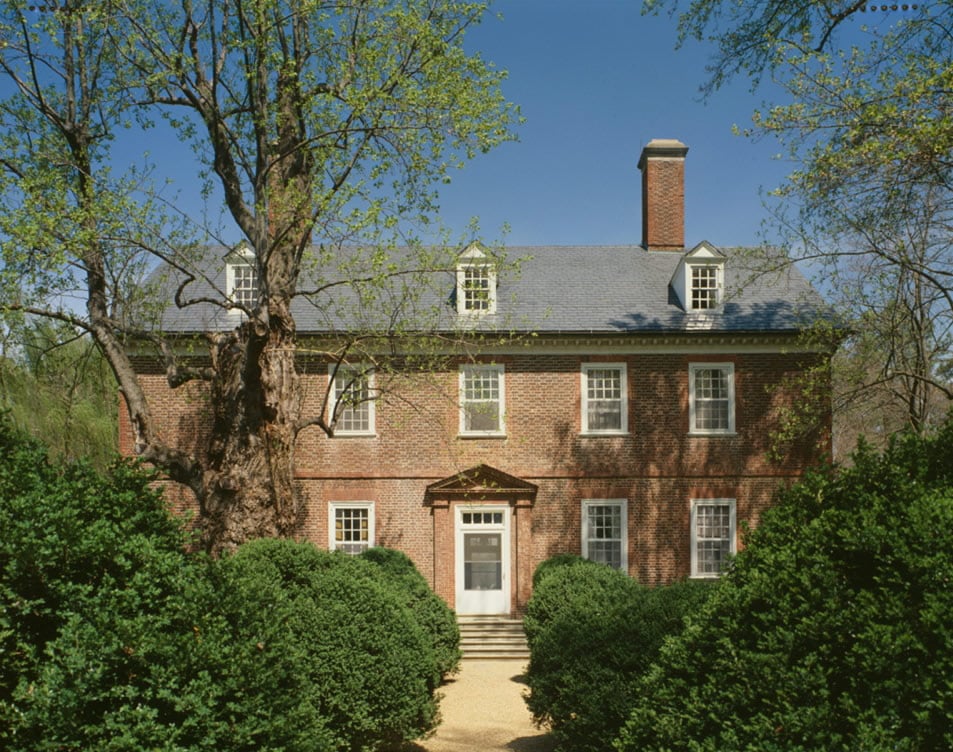
Major Graham Mansion, formally the Maj. David Graham House, occupies a rise above the former Cedar Run iron furnace in Wythe County, Virginia, near Max Meadows and the village historically known as Fosters Falls. The house was built in four sections beginning around 1830 and completed about 1890. The earliest portion was framed around a 1785 log house built by Joseph Baker, the original landowner at the site.
The property was the seat of an extensive Graham family enterprise. Squire David Graham and his son David Pierce Graham operated a dozen iron forges and furnaces across the region, alongside investments in mines, a general store, a mill, and thousands of acres of land. The Graham fortune relied on the labor of enslaved people, who lived and worked on the property and at the family's industrial sites. Their lives and labor are addressed in current site interpretation and in the Virginia Department of Historic Resources records.
David Pierce Graham held the rank of Major in the 51st Virginia Infantry Regiment, organized in 1861. He was discharged for health reasons but continued to support the Confederate cause by supplying iron from his furnaces. Period accounts noted that some cannon cast from Graham iron ruptured under firing, a documented quality issue in Confederate ordnance supply.
After Major Graham's death, the property remained with the family until 1943, when it passed to Reid Fulton, a grandson of one of the founders of Emory & Henry College. Fulton, an eccentric collector, filled the mansion with antique books before later selling it to Dr. Chitwood of Pulaski, who placed the property on the National Register of Historic Places in 1985.
In the early 21st century the mansion was purchased and restored by current owners who developed historical tours, paranormal investigations, and a seasonal haunted attraction on the grounds. The 2025 seasonal attraction was cancelled due to severe weather damage to the event grounds; the historical property itself remains and operating status for the 2026 season should be confirmed via the venue website.
Sources
- https://en.wikipedia.org/wiki/Maj._David_Graham_House
- https://www.dhr.virginia.gov/historic-registers/098-0008/
- https://blueridgecountry.com/newsstand/magazine/major-graham-mansion/
- https://www.va250.org/placestovisit-detail/?id=355
- https://virginia.org/listings/HistoricSites/HauntedGrahamMansion
Phantom footstepsApparitionsLights flickeringPhantom voicesCold spots
Major Graham Mansion has accumulated multiple layers of folklore across more than a century. The most-repeated thread involves Squire David Graham's first wife, locally remembered through oral tradition as having been confined to an upper room. The historical record on her circumstances is incomplete and the most explicit details circulated in 2000s-era folklore aggregators are not supported by primary documents; Hauntbound presents the room confinement story as oral tradition rather than confirmed history.
A second thread concerns the property's documented history of enslaved labor at the mansion and at the family's iron furnaces. Modern site interpretation addresses this history through archival framing rather than the more lurid claims that appeared on legacy folklore aggregators. The earlier circulated version on Shadowlands made specific quantitative allegations of mass killings; these were corrected in later submissions to that same aggregator and are not supported by Wythe County records, neighboring planters' diaries, or county court filings. Mass-casualty allegations of that scale at a single property would be visible in extensive surviving regional records and are not.
Visitor and investigator accounts at the mansion focus on the 1785 log-house core, the upper rooms, and the basement. Reports collected during paranormal investigations include footsteps on the stairs when the house is empty, lights observed in the upper windows by visitors approaching at dusk, and audio recordings interpreted by investigators as voices. The mansion has been featured on regional television and in podcasts including Blue Ridge Country's coverage and ghost-tourism guidebooks for Virginia.
The property's seasonal haunted attraction, when running, is a theatrical event separate from the historical tour program. The two should not be conflated when assessing site folklore.
Notable Entities
The First Mrs. Graham
Media Appearances
- Blue Ridge Country magazine feature