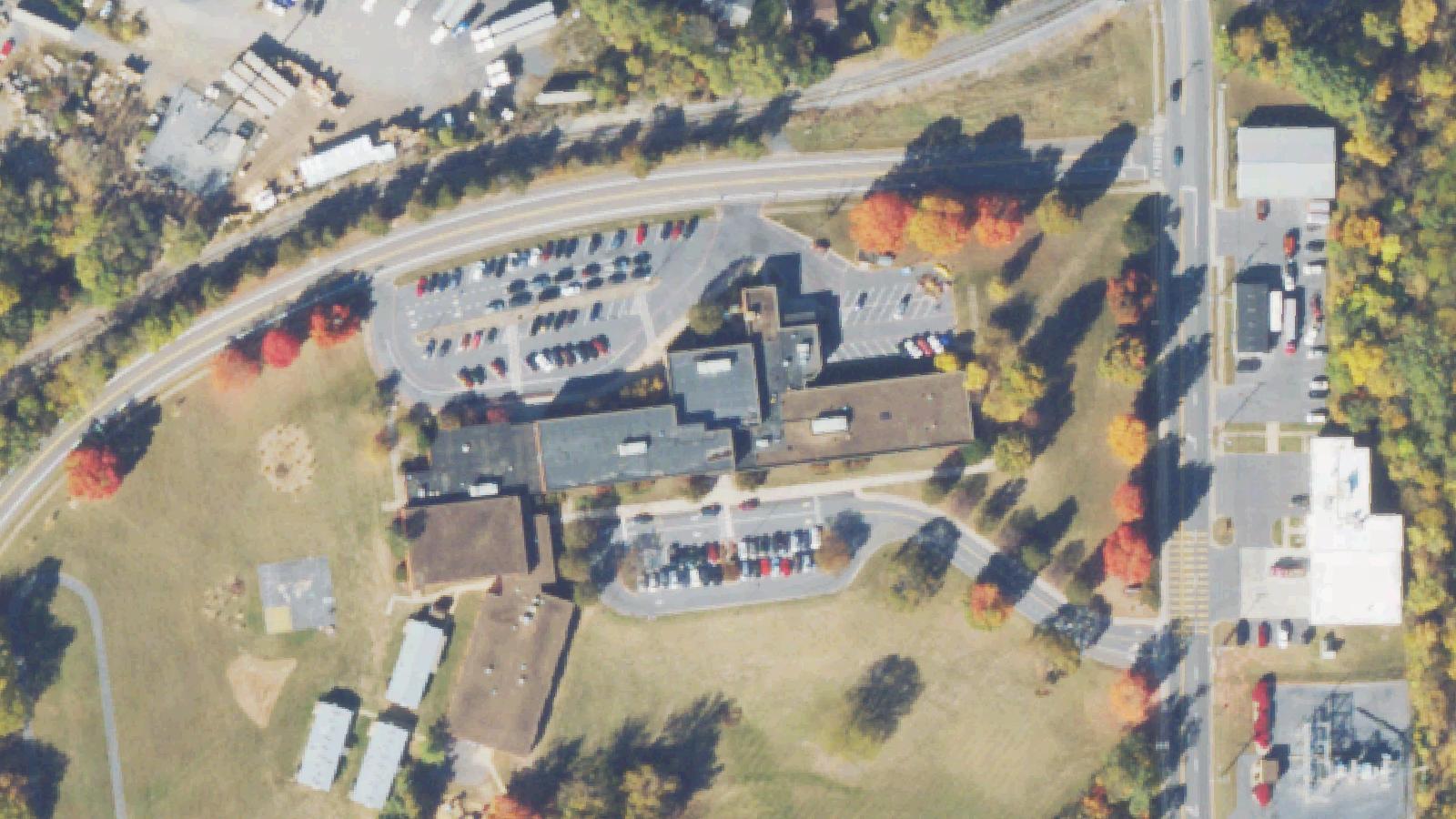
Est. 1955 · Harrisonburg City Public Education · Post-War Virginia School Expansion
Keister Elementary School was established in 1955 as part of Harrisonburg's postwar expansion of public education infrastructure. The school was named for Dr. William H. Keister, whose five decades of service in the city's school system made him a significant figure in local educational history.
The school is still an active elementary school within Harrisonburg City Public Schools, serving the community in a building that is now more than seven decades old. A nature trail was constructed behind the school on the wooded property at its rear. The trail was not completed — two sections were built but never connected, leaving gaps in the intended route that remain to this day.
The woods behind Keister Elementary are part of a larger wooded area on the edge of the school's property, typical of the semi-rural character of Harrisonburg's older neighborhoods. The school itself is cited in the city's listing of the 'About KES' history on its official website, which names the Keister family connection and the 1955 founding date.
Sources
- https://www.harrisonburg.k12.va.us/KES/1351-About-KES.html
Sensed presence
The woods behind Keister Elementary generate the kind of account that attaches specifically to incomplete places — spaces that were begun but not finished, where the absence of completion becomes part of the texture.
The nature trail behind the school was built in two disconnected sections, with a gap between them that was never filled in. Those two incomplete sections are where the sensory reports are most consistently located: a feeling of being watched that begins when you enter the wooded area, and the specific impression of being followed — not observed from a distance, but accompanied, closely, by something that moves with you.
The 1960s disappearance is the most concrete claim in the location's folklore. A man entered the woods at a time when there was no trail — just uncleared undergrowth — and did not come out. No search produced a body. The disappearance remained unresolved.
Whether the absence of a body is significant depends on which interpretation you apply: the woods are not large enough to conceal a body indefinitely, which means either the disappearance story is an unverified legend or the resolution of the case is simply not documented in sources available to this research. The specificity of the timeframe — the 1960s, before the trail was built — suggests a local account rather than a completely fabricated one.