Est. 1836 · Oldest Institution of Higher Education in Southwest Virginia · Civil War Confederate Hospital Site · Methodist Episcopal Church Founding
Emory & Henry College was established in 1836 under the auspices of the Holston Conference of the Methodist Episcopal Church. It was named for John Emory, a Methodist bishop who died in 1835, and Patrick Henry, Virginia's first governor and Revolutionary War orator. The college stands as the oldest surviving institution of higher education in Southwest Virginia.
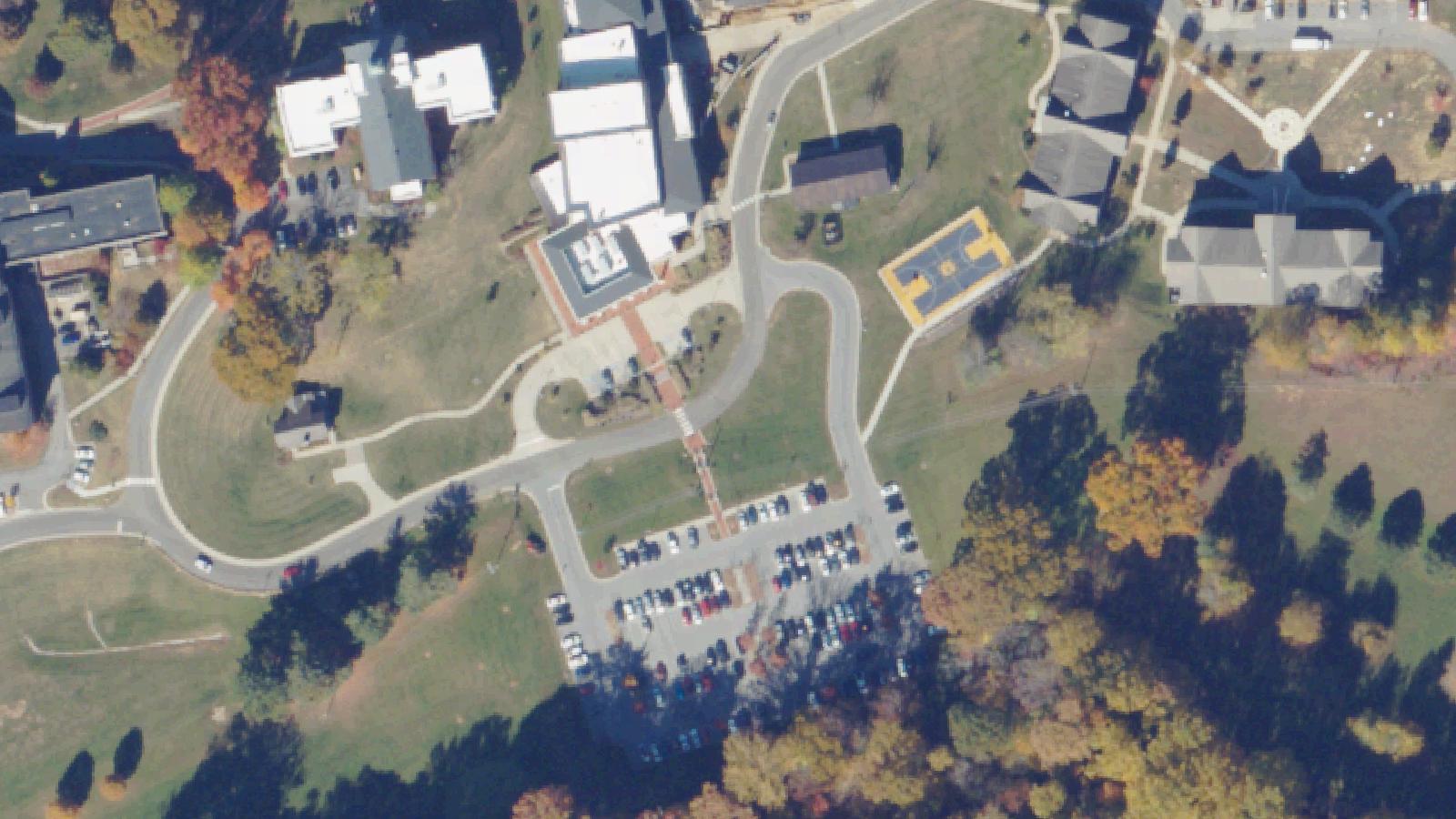
The campus occupies a prominent site in Emory, Washington County, roughly eight miles from Abingdon. During the Civil War the college buildings were requisitioned as a Confederate hospital, a fact that contributes to the broader heritage of the campus. The institution returned to academic operations after the war and has continued as a liberal arts college into the present.
The campus includes historic brick buildings that date to the nineteenth century alongside more recent construction. Music Hall and MaWa Hall are among the older structures where the college's most persistent ghost traditions are concentrated. Today Emory & Henry enrolls several hundred undergraduates and operates a graduate school of health sciences.
Sources
- https://en.wikipedia.org/wiki/Emory_and_Henry_University
- https://www.emoryhenry.edu/about/history/
- https://www.virginiahauntedhouses.com/real-haunt/emory-henry-college.html
Swinging lamp without windApparitionsUnexplained voicesPhantom phone-answering presenceWater anomalies
The dominant legend at Emory & Henry centers on Music Hall, where a man was allegedly pushed from a third-story window during a heated debate. According to the account — circulated among students and documented on paranormal enthusiast sites — the man caught the hanging lamp mounted outside the window as he fell, briefly arresting his descent before losing his grip and falling to his death. Campus tradition holds that the exterior lamp now swings on windless days because of his grip on it at the moment of the fall.
MaWa Hall carries a separate account: a woman is said to have hanged herself from the shower in the dormitory, and subsequent residents have reported water spraying unexpectedly from the walls and cold drafts in the bathroom.
A third presence is described as inhabiting the upper floor of an unnamed building, where it reportedly answers the telephone — witnesses claim to have heard a voice on the line with no one present. The identity, date, and circumstances of this figure are not specified in any of the accounts encountered.
None of these incidents are documented in local news archives or the college's own published history. The legends appear to be oral tradition transmitted among students, recorded primarily on paranormal aggregator sites.