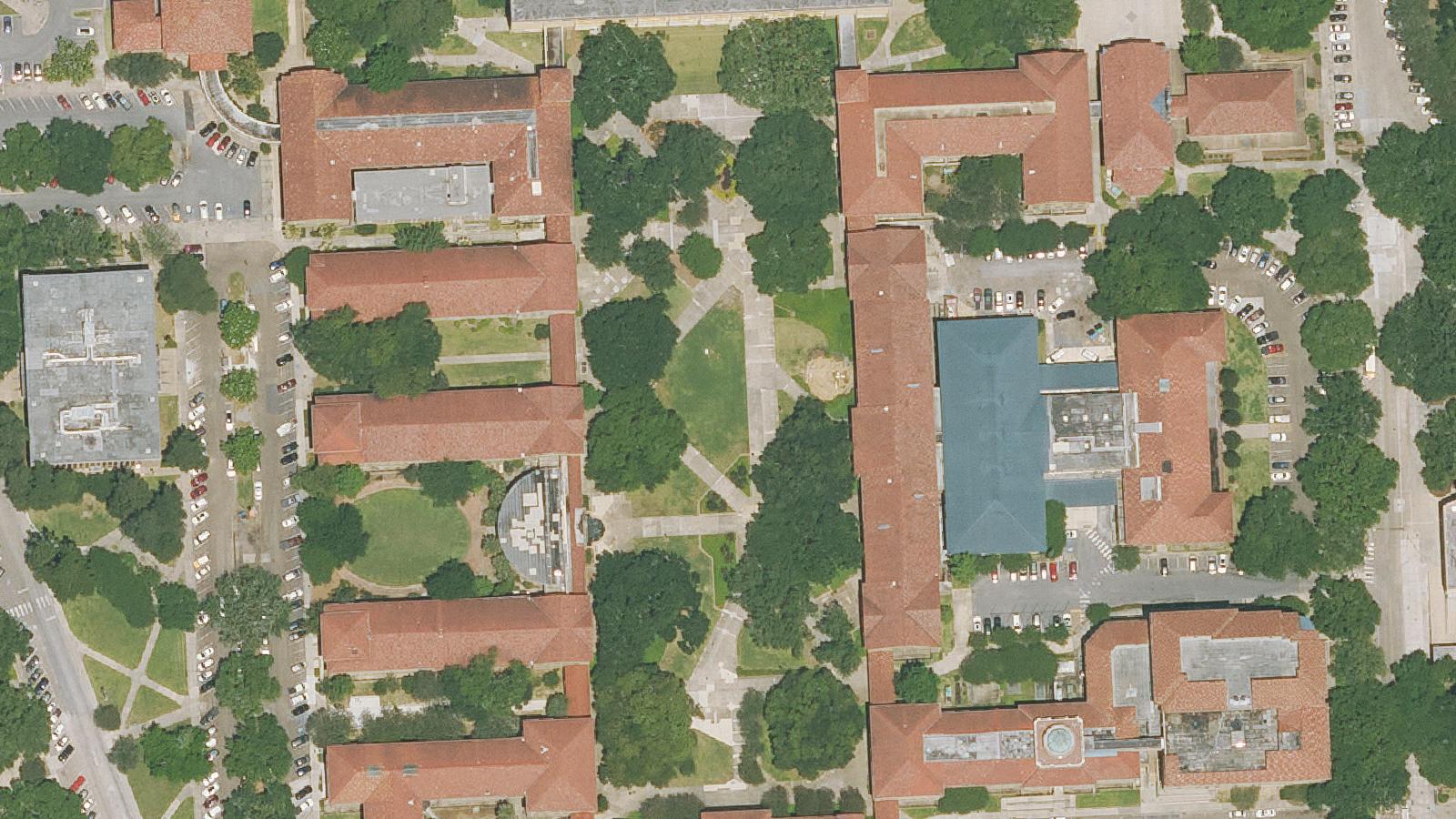
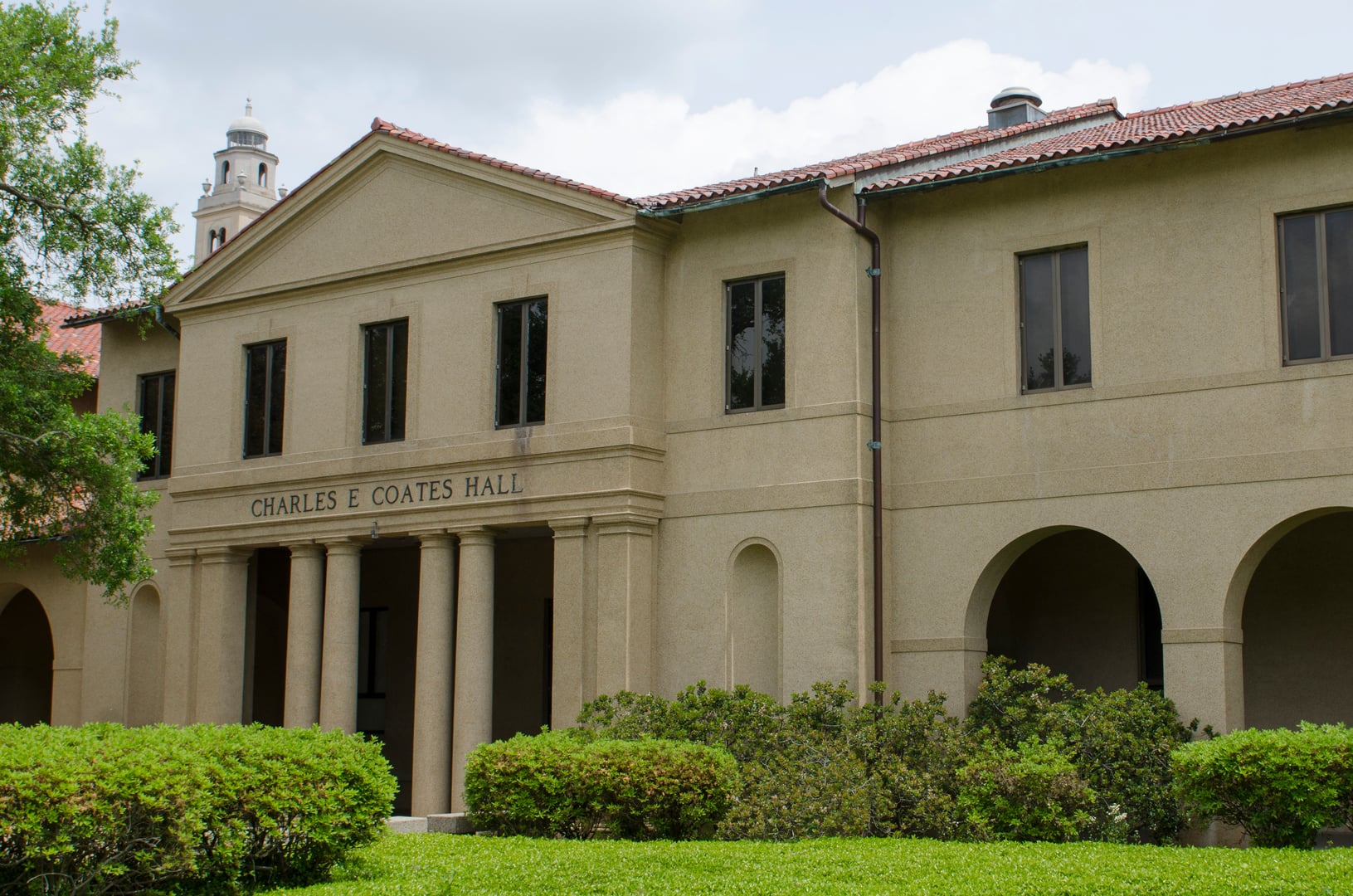
Est. 1930 · One of the oldest surviving residence halls on the LSU Baton Rouge campus · Built during Huey Long's rapid expansion of LSU in the early 1930s · Named for Longfellow's 'Evangeline,' reflecting Louisiana's Acadian heritage
Evangeline Hall opened in 1930, during a period of fast change at Louisiana State University. Under Governor Huey Long, LSU underwent dramatic physical expansion in the early 1930s, with dozens of new buildings added across a campus that had moved to its current site in 1926. Evangeline Hall was built during this foundational wave of construction and carries the name of Henry Wadsworth Longfellow's 1847 poem — a nod to Louisiana's Acadian heritage — a naming convention that appears across several campus landmarks from the period.
The building served as a women's residence hall for much of its early history, and its five-story configuration, relatively modest by later campus standards, reflects the Depression-era constraints on construction. It remained a functioning dormitory through the 20th century and into the present, making it a rare continuous residential survivor from LSU's pre-World War II building campaign.
The campus newspaper, the LSU Reveille, documented Evangeline Hall as one of the sites in campus haunted-history coverage, noting that its longevity and age made it a focal point for student lore. The hall is one of several older structures across Louisiana universities where staff and residents have reported unexplained phenomena that circulate in campus oral tradition.
Sources
- https://lsureveille.com/227965/uncategorized/tales-of-a-haunted-campus/
- https://www.visitbatonrouge.com/blog/most-haunted-places-in-baton-rouge/
- https://1031consortium.com/history/lsu/
Disembodied laughter in empty corridorsUnexplained voices when building is unoccupiedUnexplained presence sensations on the fourth and fifth floors
The haunting lore around Evangeline Hall centers on audio phenomena rather than visual apparitions. Resident advisors and students have reported hearing laughter and conversation in corridors and common areas when no residents were present — accounts that surfaced in the LSU Reveille's campus haunted-history coverage and were amplified by the Visit Baton Rouge tourism blog.
Campus tradition assigns three specific presences to the building: a male janitor figure associated with the fifth floor, and two female figures whose activity centers on the fourth floor. The identities of these figures are not documented in any historical record, and the connection between specific individuals and the reported phenomena is unverifiable. The source notes that some residents sought priestly blessings for their rooms, suggesting the experiences were distressing enough to prompt a religious response rather than mere curiosity.
Evangelical Hall's age and its history as a residence hall — a building type where generations of students have moved in, lived intensely, and moved on — makes it a predictable site for accumulated campus legend. The specific detail of two separate floor-based presences, each with a defined gender, points toward the kind of layered tradition that develops over decades of oral transmission rather than a single documented incident.
Notable Entities
Male janitor figure (fifth floor)Two female figures (fourth floor)