Named geographic feature tied to La Llorona folklore tradition · Setting for Sandra Cisneros's 1991 short story collection · Atlas Obscura recognized dark tourism site
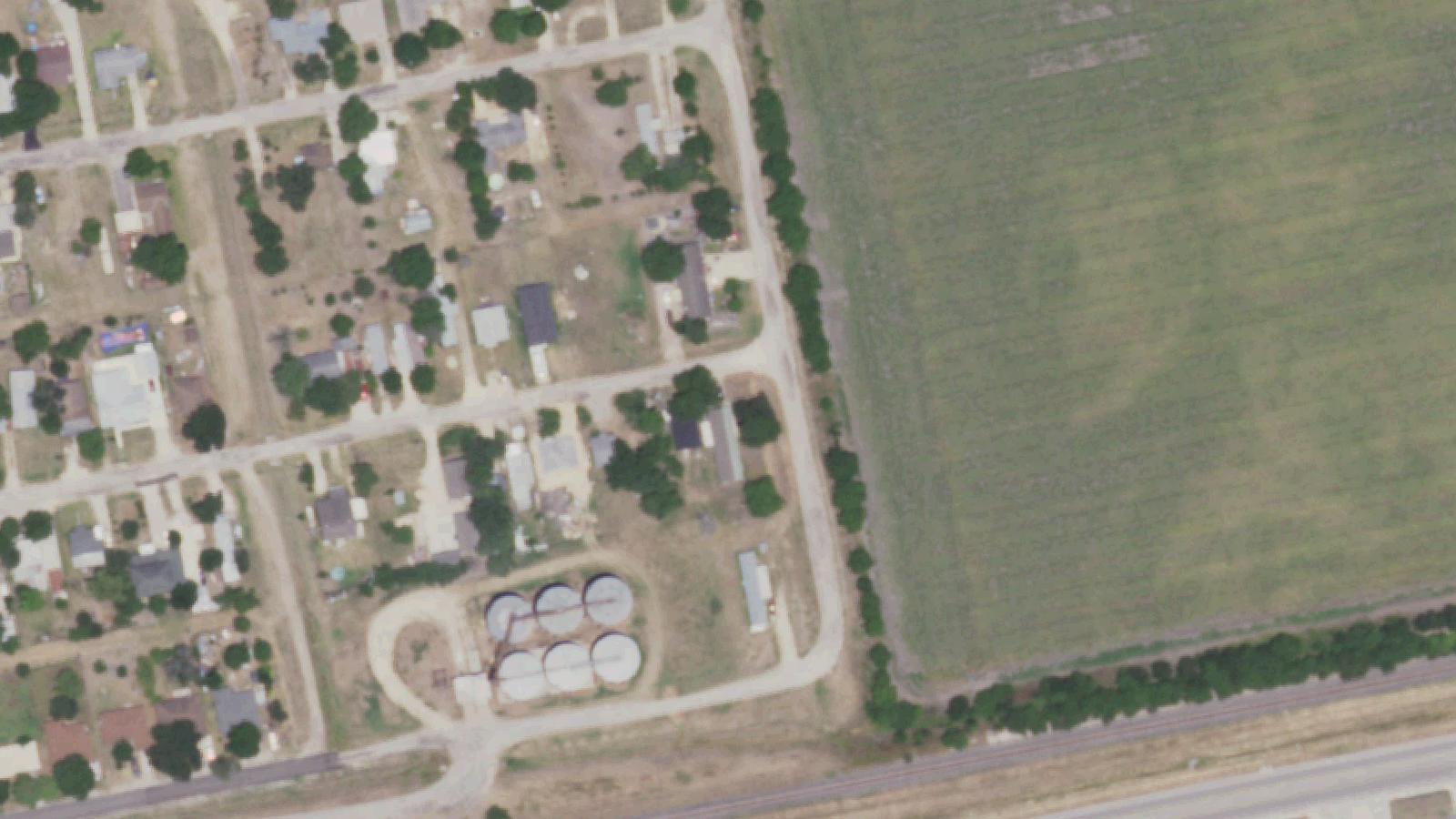
Woman Hollering Creek runs through Bexar County between San Antonio and Seguin, crossing under FM 78 near the community of St. Hedwig. The creek's name in English translates directly from a Spanish name tied to the La Llorona tradition — one of the most persistent folk narratives in Mexican and Mexican-American culture. Wikipedia confirms that the creek's name derives from the legend and that the geographic feature has carried the association for generations.
La Llorona — the Weeping Woman — appears across Latin American folklore traditions. The most common version holds that she drowned her children after being abandoned by a lover and was condemned in death to roam rivers and streams crying for them. The San Antonio Current's coverage of the legend connects the regional telling directly to the waterway, noting that the creek's name is understood locally as evidence that the story took root in this specific geography long before modern ghost tourism.
Sandra Cisneros, a San Antonio writer, titled her 1991 short story collection 'Woman Hollering Creek and Other Stories' after the waterway. The collection, which deals with Mexican-American women's lives along the Texas-Mexico border, brought the creek to national literary attention and reinforced the site's cultural significance beyond pure folklore.
Atlas Obscura documents the creek as a recognized dark tourism destination, and a regional survey cited by San Antonio Current named the FM 78 crossing among the scariest roads in Texas.
Sources
- https://en.wikipedia.org/wiki/Woman_Hollering_Creek
- https://www.atlasobscura.com/places/woman-hollering-creek
- https://www.sacurrent.com/news/the-legend-of-la-llorona-2250982/
Sounds of a woman crying near the creek after darkApparition in white along the creek bank
La Llorona — the Weeping Woman — is one of the most widely distributed supernatural narratives in Latin American culture. The San Antonio Current's coverage of the legend traces its regional form: a woman, in a jealous rage after being abandoned, drowns her children in a waterway and is condemned to haunt rivers and streams in perpetual grief, crying out for them in the night. Witnesses describe her as a white-clad figure wailing along creek banks after dark.
Woman Hollering Creek is unusual among American haunted sites in that the legend is not attached to a building or event at the location — the place name itself is the artifact. The creek's Spanish name, a direct reference to La Llorona, was recorded on maps and in land records generations before the current road crossings were built, according to Wikipedia's entry on the waterway. That longevity gives the association documentary weight beyond typical paranormal site claims.
Atlas Obscura documents the site as a recognized regional haunted landmark, and the FM 78 crossing draws visitors specifically because the road sign bears the name in English — a physical marker of where folklore geography intersects with public infrastructure. Local accounts collected by San Antonio Current include reports of crying sounds near the water after dark, consistent with the core La Llorona tradition.
Notable Entities
La Llorona (the Weeping Woman, folkloric figure)
Media Appearances
- Woman Hollering Creek and Other Stories (Sandra Cisneros) (literature, 1991)
Where this legend is told