Chisos Apache homeland — last stronghold of Alsate's band · Alsate executed by Mexican firing squad c.1881–1882 · Big Bend National Park established 1944 · Emory Peak — highest point in the Chihuahuan Desert (7,825 ft)
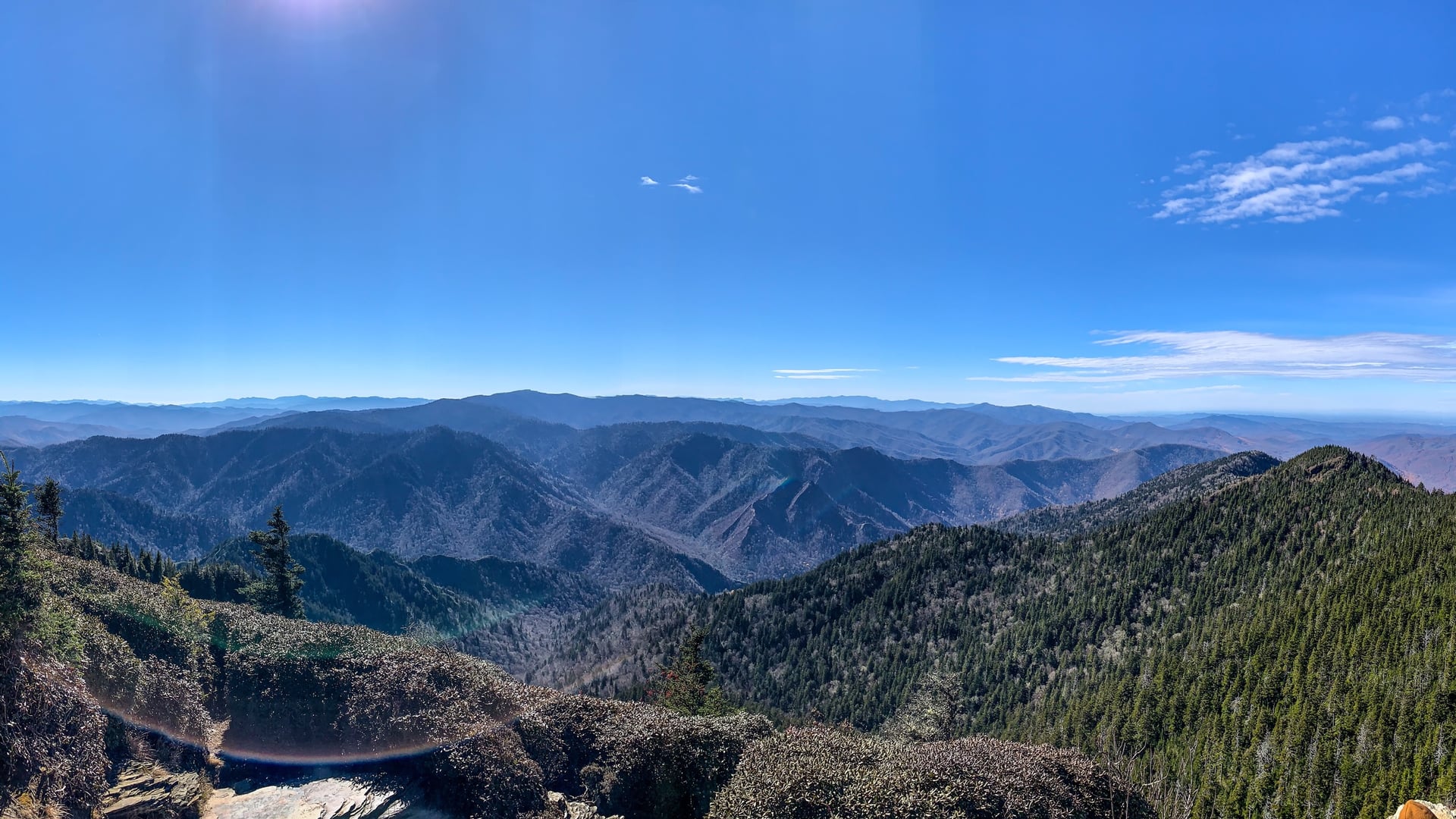
The Chisos Mountains form the volcanic heart of Big Bend National Park, rising abruptly from the surrounding Chihuahuan Desert floor in Brewster County, Texas. Their peaks — Emory Peak at 7,825 feet is the highest — are the product of Tertiary igneous activity that created the massive intrusive and extrusive formations visible throughout the park.
The mountains were the primary refuge territory of the Chisos band of the Limpia Mescalero Apache, a group whose name the mountains bear. Alsate, also recorded as Arzate, Arzatti, and Pedro Múzquiz, was the last leader of this band. His father was a Spanish captive raised among the Mescalero; Alsate himself was born around 1820 and became a prominent raider and leader across the Big Bend region and northern Mexico. He allied with the Mescalero leader Victorio around 1874 and engaged in skirmishes with U.S. cavalry in 1877.
In 1878, Mexican President Porfirio Díaz ordered Alsate's arrest. He escaped from custody in 1879. The Mexican army subsequently orchestrated his capture by inviting Alsate and his followers to San Carlos with a promise of amnesty and a feast. When they woke the following morning, they found themselves encircled by troops. Alsate, his war chiefs Colorado and Zorillo, and other followers were captured and marched to Ojinaga, the town opposite Presidio on the Rio Grande. Alsate and his lieutenants were executed by firing squad there, around 1881 or 1882 — the precise date was not recorded in surviving documents.
Big Bend National Park was established in 1944, encompassing the mountains and surrounding desert that had been the Chisos Apache homeland. The Chisos Mountains Lodge and visitor facilities were developed in the 1950s during the Mission 66 national park improvement campaign.
Sources
- https://en.wikipedia.org/wiki/Alsate
- https://bluebonnetnews.com/2021/10/15/nearly-forgotten-big-bend-legend-apache-chief-alsate/
- https://www.tshaonline.org/handbook/entries/chisos-mountains
Rock formation visible from north interpreted as Alsate's faceGeneral sense of presence in the mountains reported by visitors
The ghost tradition attached to the Chisos Mountains centers on Alsate, whose execution at Ojinaga around 1881–1882 was understood by the people of the region as an injustice enabled by betrayal. The oral tradition holds that Alsate appeared to Lionicio Castillo — described as the man who informed on him to Mexican officials — shortly after his death. The encounter reportedly frightened Castillo so completely that he left the area and was not seen again.
Mexican shepherds working the high desert and the Chisos foothills subsequently identified a formation in the rock visible when approaching the basin from the north as the profile of Alsate's face — eyes, nose, and brow etched in the igneous peaks and valleys. They came to believe with certainty that his ghost remained in the mountains. The folktale has persisted in Big Bend's cultural landscape, noted as a fixture of the Chisos as much as the rock itself.
Some local tradition extends the Alsate ghost story northwest to the Marfa Lights — the unexplained desert phenomenon visible from the viewing area on US-90. In this telling, the lights are signal fires maintained by Alsate's spirit, marking a territory that was taken from his people. The connection between the two sites is a later elaboration rather than the oldest form of either tradition.
Note: The Alsate narrative involves an indigenous leader whose execution is documented in historical record; the ghost tradition is treated here as the cultural meaning-making that followed a documented historical injustice, not as ethnographic claim about Apache belief.
Notable Entities
Alsate — last chief of Chisos Apaches (historical figure; c.1820–1881/1882)
Where this legend is told