Est. 1904 · One of the oldest and most beautiful private cemeteries in Texas · 1904 Youree Chapel (Richardsonian Romanesque) · Famous weeping-angel monument; graves of veterans back to the War of 1812
Scottsville Cemetery lies about four miles east of Marshall in Harrison County, in the Piney Woods of East Texas. Both the community and the cemetery take their name from William Thomas Scott, who settled in the area in 1840 and built a network of cotton plantations. The cemetery predates Texas statehood in its earliest burials and is widely described — including by historian Max Lale — as one of the most beautiful private cemeteries in the state.
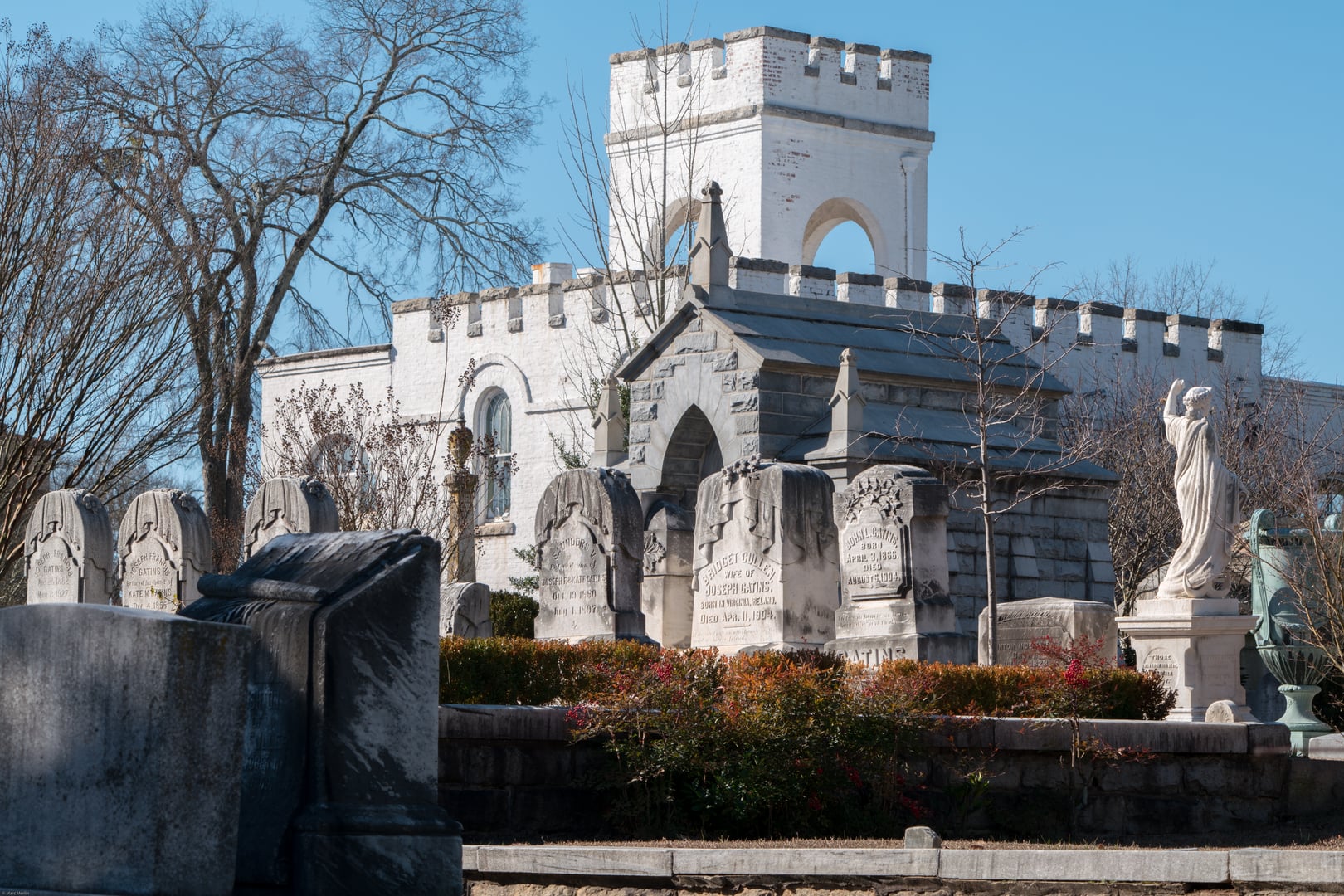
At the entrance to the grounds stands the Youree Chapel, a one-story Richardsonian Romanesque stone structure built in 1904. Peter and Betty Scott Youree dedicated the chapel in memory of their only child, William, who died young; its castle-like bays and tower make it one of the most distinctive cemetery chapels in Texas.
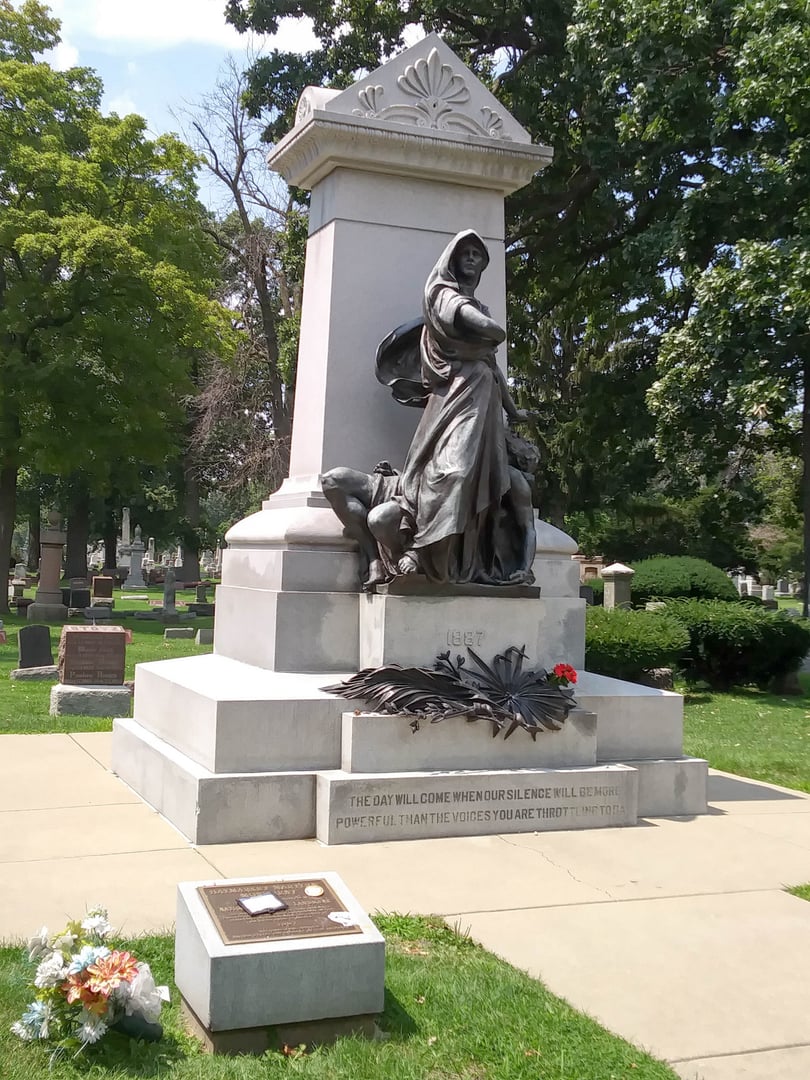
The cemetery is also known for its statuary, especially a weeping-angel monument that is one of several similar works by the same sculptor in Texas. The grounds include graves of veterans reaching back to the War of 1812, with markers noting the nation each veteran served, as well as a Confederate monument.
The site has been documented by Stephen F. Austin State University's Center for Regional Heritage Research and surveyed as part of the Harrison County Historic Sites inventory, and it appears in Find a Grave and regional heritage writing.
Sources
- https://www.sfasu.edu/heritagecenter/5008.asp
- https://texasescapes.com/EastTexasTowns/Scottsville-Texas-and-Scottsville-Cemetery.htm
- https://www.findagrave.com/cemetery/575372/scottsville-cemetery
Woman weeping near the spring houseVoices and moving furniture in the vanished houseGeneral cemetery unease
The Scottsville haunting tradition, as collected on Texas ghost-listing sites, centers on the land bordering the cemetery to the west rather than on the graves themselves. A covered spring house sits at the foot of a hill just outside the fenced cemetery area, and stairs lead up the hill to a spot where a large two-story house once stood. That house reportedly burned in the 1950s and had a haunted reputation even before then; older residents told of standing outside in their youth and hearing voices and furniture being moved inside the empty rooms (Texas ghost-tourism listings; hauntedplaces.org).
Today's storytellers say that if you stand at the top of the stairs, you can hear a woman weeping several hundred feet away, down at the spring house. This specific spring-house legend rests largely on a single anonymous account and local retelling, so HauntBound presents it as atmospheric local lore rather than corroborated fact.
The cemetery itself — with its weeping angel, castle-like chapel, and centuries of burials — carries a more general haunted reputation common to old Texas burying grounds, and its documented history as one of the state's most storied private cemeteries gives the place its real weight.
Notable Entities
The weeping woman of the spring house