Est. 1847 · Sam Houston Burial Site · Joshua Houston — Formerly Enslaved Texas Politician · Approximately 1,500 Confederate Soldiers · Enslaved Persons Burial Section (Discovered 2004) · 1867 Yellow Fever Victims
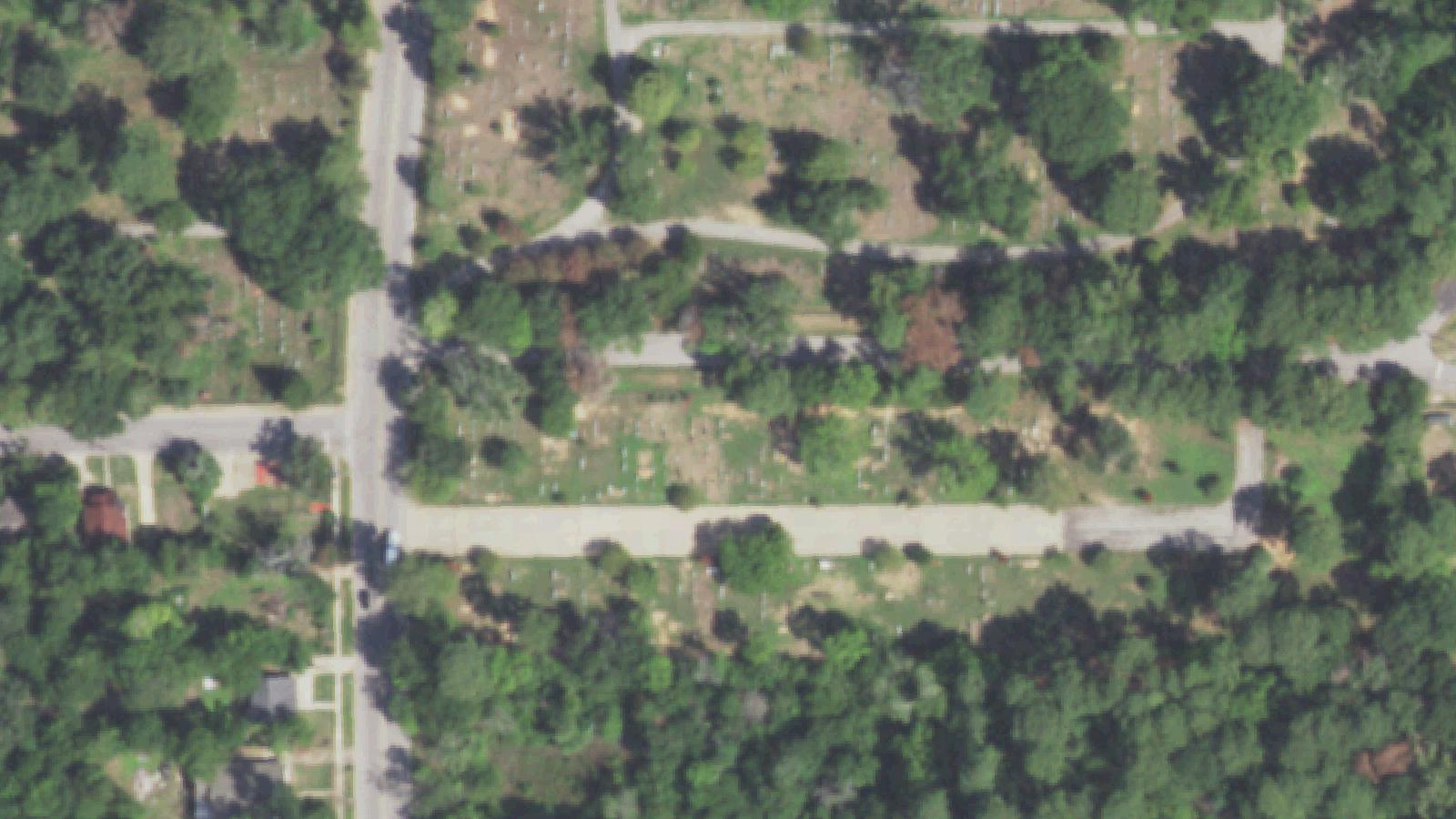
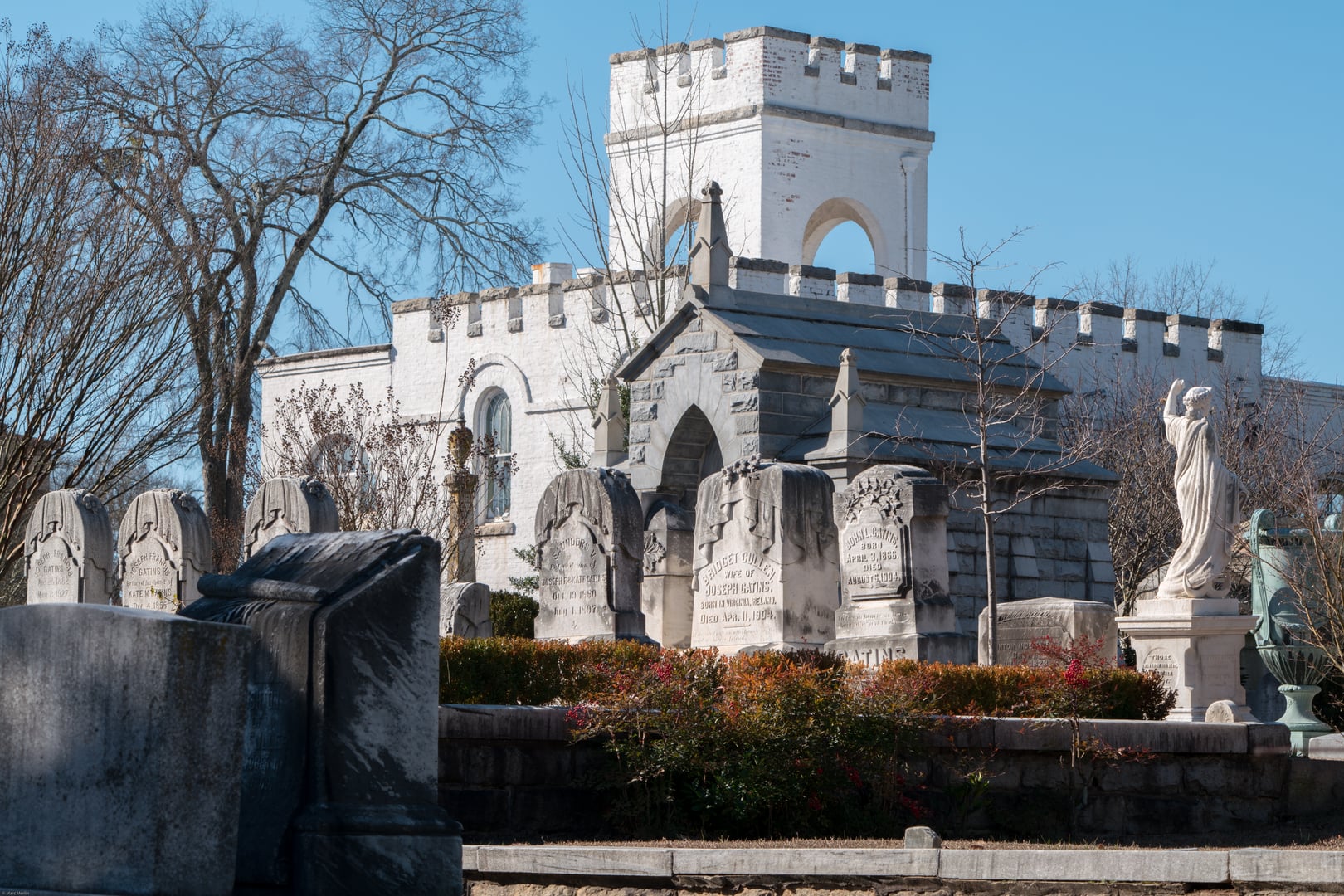
Oakwood Cemetery dates to 1847, when Pleasant Gray deeded a parcel of land that became Huntsville's primary burial ground. Over the following decades it absorbed the full spectrum of Walker County society: Sam Houston, who had served as governor of both Tennessee and Texas and as the republic's president, was buried here in 1863. His associate Joshua Houston — born enslaved, later a businessman and Walker County politician — is also interred at Oakwood.
The Civil War left a heavy imprint: nearly 1,500 Confederate soldiers are buried in the cemetery, making it one of the larger Confederate burial sites in East Texas. An 1867 Yellow Fever epidemic claimed a number of lives in the county, including Union soldiers, and those graves are also here.
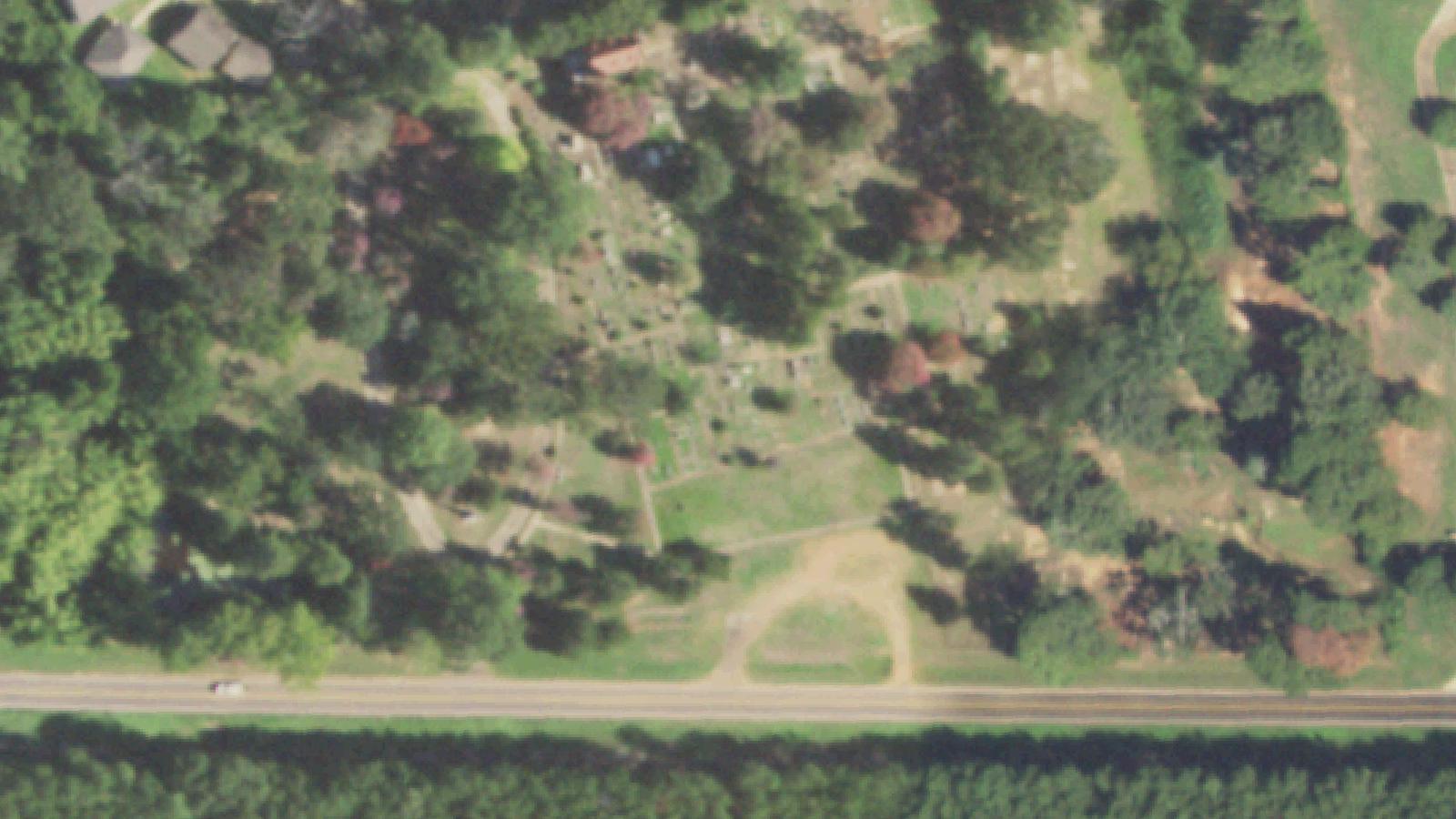
In 2004, archaeologists and cemetery staff identified approximately 150 unmarked, sunken graves in the older section — depressions in the ground where wooden grave markers had long since decayed. Unlettered white concrete crosses were placed to mark their locations; this section, historically referred to as the "Negro Cemetery" in older records, is believed to contain the remains of enslaved people and their descendants from the antebellum period.
The First Christian Church held the property from 1963 until 2003, when the City of Huntsville assumed ownership and ongoing maintenance of all 102 acres.
Sources
- https://en.wikipedia.org/wiki/Oakwood_Cemetery_(Huntsville,_Texas)
- https://hauntedhuntsville.wordpress.com/2012/10/30/oakwood-cemetery-the-black-jesus/
- https://www.khou.com/article/news/black-jesus-statue-scares-some-in-huntsville/285-339615359
Statue eyes appearing to follow visitorsStatue hands appearing to move at nightGeneral eerie atmosphere near Powell family plot
The focal point of Oakwood Cemetery's haunted reputation is a bronze sculpture formally called 'The Comforting Christ' — a cast of a Bertel Thorvaldsen design — erected in the 1920s by the Powell family to mark the grave of Rawley Rather Powell. The bronze has darkened significantly from environmental exposure and is locally known as 'Black Jesus.'
Accounts documented by KHOU and local paranormal researchers describe two primary claims: that the statue's eyes appear to follow visitors as they move around it, and that the hands seem to shift position when viewed at night. An additional detail noted by local observers is that the Powell family graves face west while virtually all other burials in the cemetery face east — an inversion of the standard Christian burial orientation that has contributed to the site's reputation.
The statue sits in a secluded clearing within the cemetery grounds, surrounded by benches, mature trees, and dense forest that creates a markedly different atmosphere from the open sections of the cemetery. No organized paranormal investigations are currently advertised at the site.
Notable Entities
Sam Houston (buried here, 1793-1863)Joshua Houston (buried here, c. 1822-1902)
Media Appearances
- KHOU Houston news coverage (television news, 2014)