Est. 1854 · Texas Historical Commission Marker 1990 · 1830s Methodist Settlement · Reverend Littleton Fowler Mission
A group of Methodists led by the missionary Reverend Littleton Fowler settled the area along what is now Bowden Road in Walker County, Texas in the 1830s. The community built a chapel, school, and camp meeting ground. In 1854 Martha Palmer, the wife of one of the chapel's trustees, was buried in the cemetery established behind the chapel; the cemetery has carried her name since.
The Methodist congregation continued to use the chapel and cemetery through the 19th century and into the early 20th. By the 1930s the congregation had dissolved and the chapel itself was demolished, leaving only the cemetery. The land has remained in use for occasional family burials through the present.
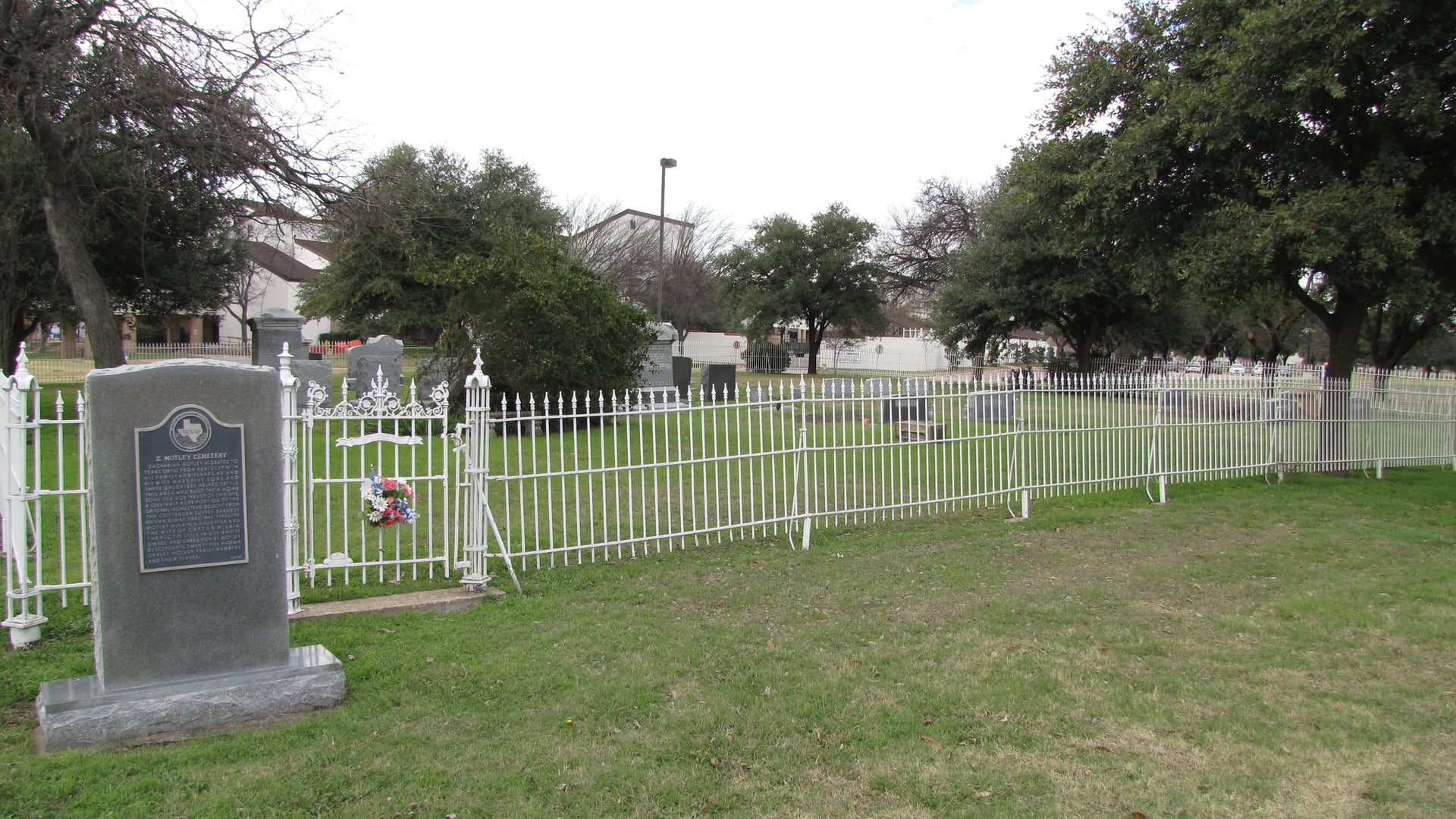
The Texas Historical Commission placed an Official Texas Historical Marker at the cemetery on October 25, 1990, recognizing its role in the early Methodist settlement of East Texas and its connection to Reverend Fowler's frontier mission work. The marker text identifies Martha Palmer as the cemetery's namesake and outlines the congregation's history.
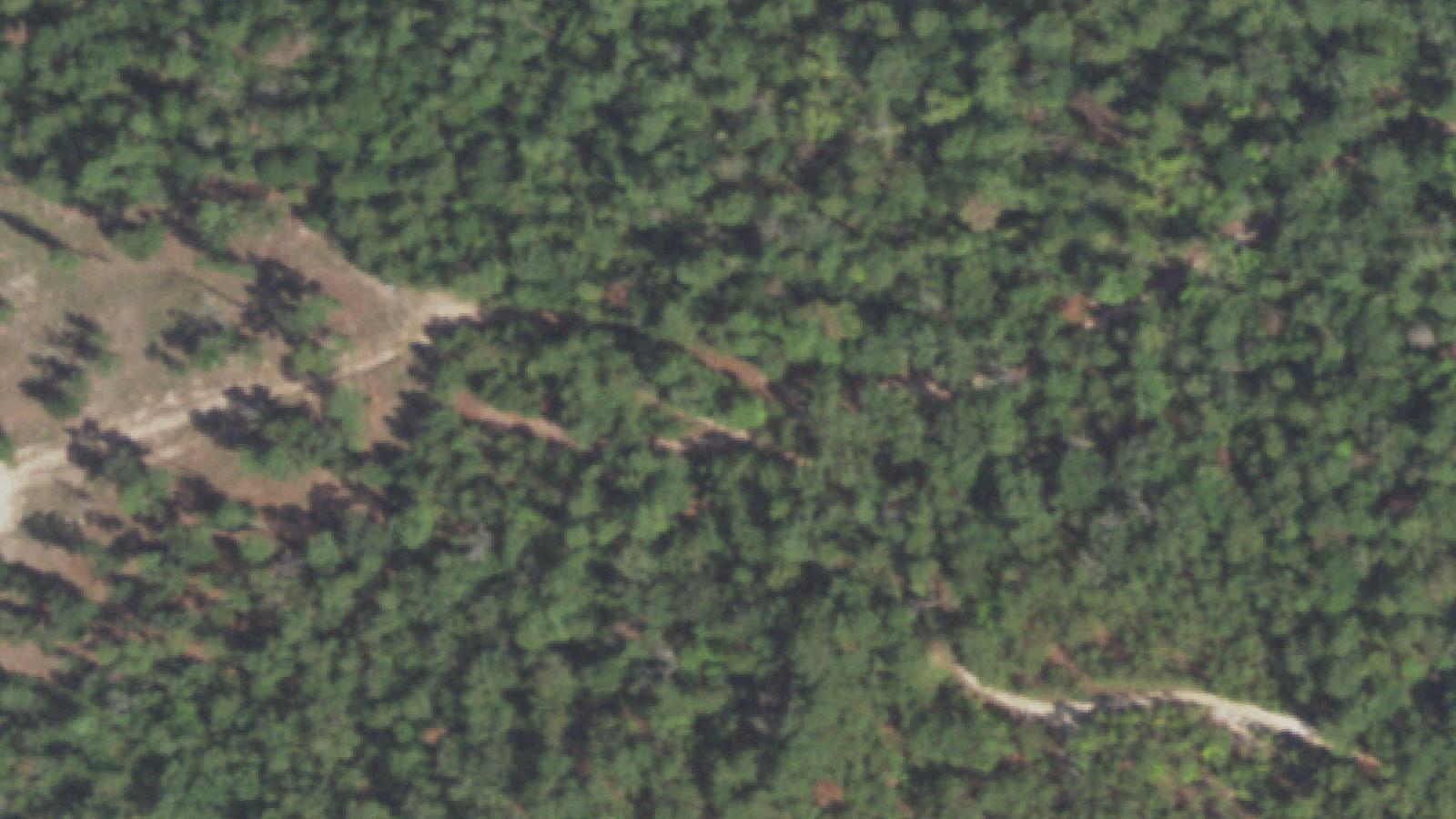
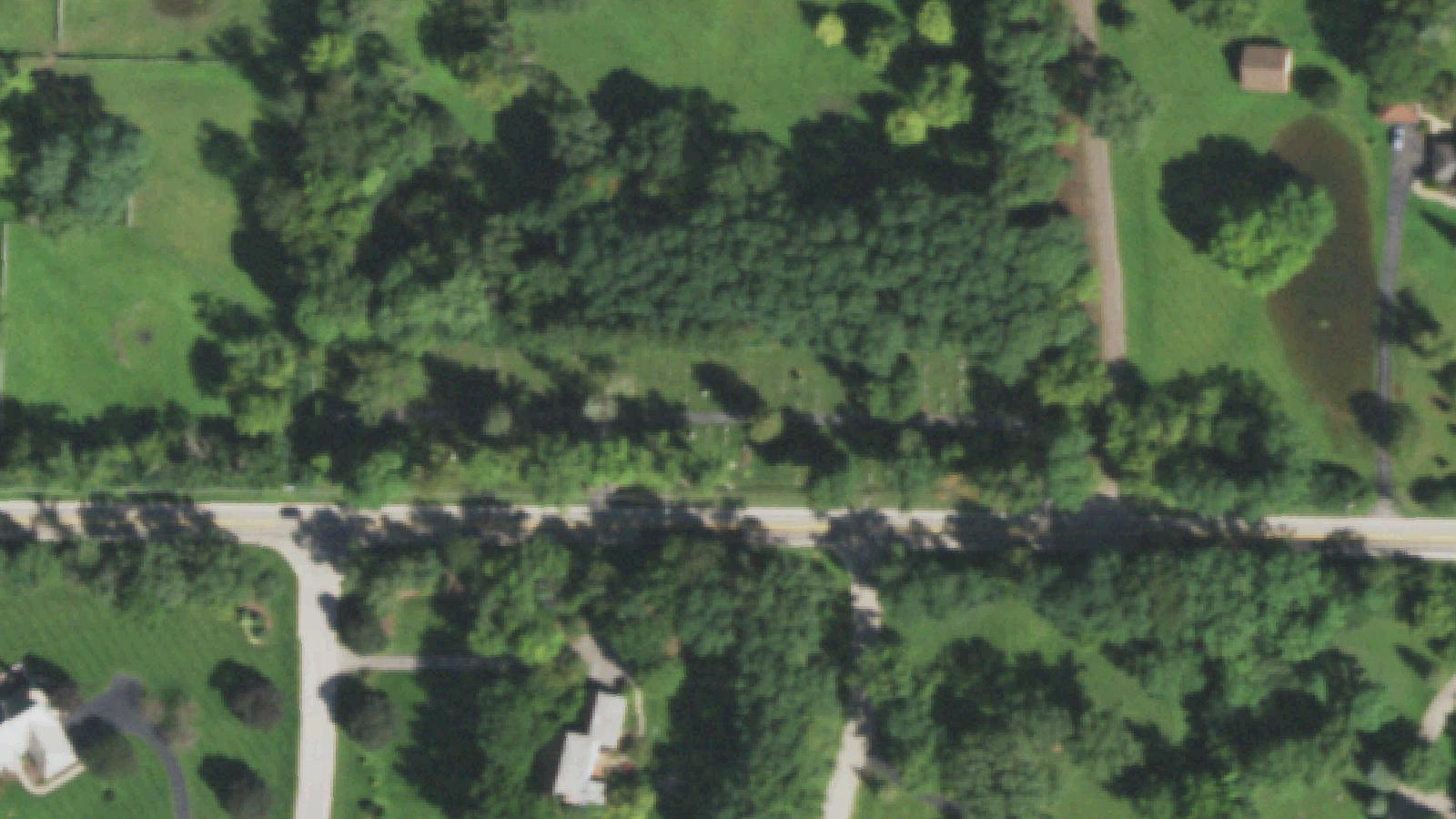
The surrounding Sam Houston National Forest expanded across much of the historic settlement land during the 20th century, leaving the cemetery as a small clearing accessible only by Bowden Road, a narrow unpaved rural road. The cemetery is privately maintained by a descendants' association.
Sources
- https://ghosttexas.com/bowden-road-aka-demons-road-and-martha-chapel-cemetery/
- https://www.texasescapes.com/DanaGoolsby/Demons-Road-in-Huntsville.htm
- https://www.khou.com/article/life/living-in-the-lone-star/hidden-gems/marthas-chapel-cemetery-demons-road-huntsville-haunted/285-70c7dd6f-7805-4f28-9b4c-be80b387209b
ApparitionsTouching/pushingPhantom soundsShadow figures
The folklore surrounding Bowden Road developed in the late 20th century, after the original Methodist chapel had been demolished and the road had reverted to an unpaved track through Sam Houston National Forest. Several distinct legends now cluster at the site.
The most-cited account involves a young boy riding a tricycle along the road at dusk. Witnesses describe the figure as semi-transparent and observed only momentarily before vanishing into the trees. The historical anchor for this story is unclear; no documented child death is attached to the road in newspaper archives accessible to researchers.
A second tradition concerns vehicles parked at the cemetery overnight. Local accounts describe scratch marks appearing on car doors, hoods, or roofs, sometimes attributed to invisible hands. East Texas Escapes and other regional folklore sites have collected these accounts, although the road's overhanging brush provides a more prosaic explanation in many cases.
A third legend concerns an unmarked grave inside the cemetery from which a hand is said to emerge, reaching out as if to drag a visitor down. This is one of the most-told East Texas urban legends and has no documented historical basis.
Reports of occult activity in the surrounding woods, including cloaked figures and animal sacrifice, are also part of the area's modern folklore. Local law enforcement and the U.S. Forest Service have not publicly documented any specific incidents.
The cemetery itself remains an active burial ground for descendants of the original settlement families. The descendants' association asks visitors to respect the grounds and not to climb on or disturb headstones. Several headstones have been damaged in recent decades, likely by trespassers, and the site is patrolled by Walker County sheriff's deputies after dark.
Notable Entities
The Tricycle Boy of Demon's RoadThe Hand in the Unmarked Grave