Est. 1800 · Pioneer Settlement · Nineteenth Century Cemetery · Macomb County History
Clinton Township, situated in Macomb County Michigan, was part of the broader settlement and development of southeastern Michigan during the nineteenth century. Small pioneer cemeteries dot the region, many established during the 1800s as settler communities took root in previously unsettled forest lands.
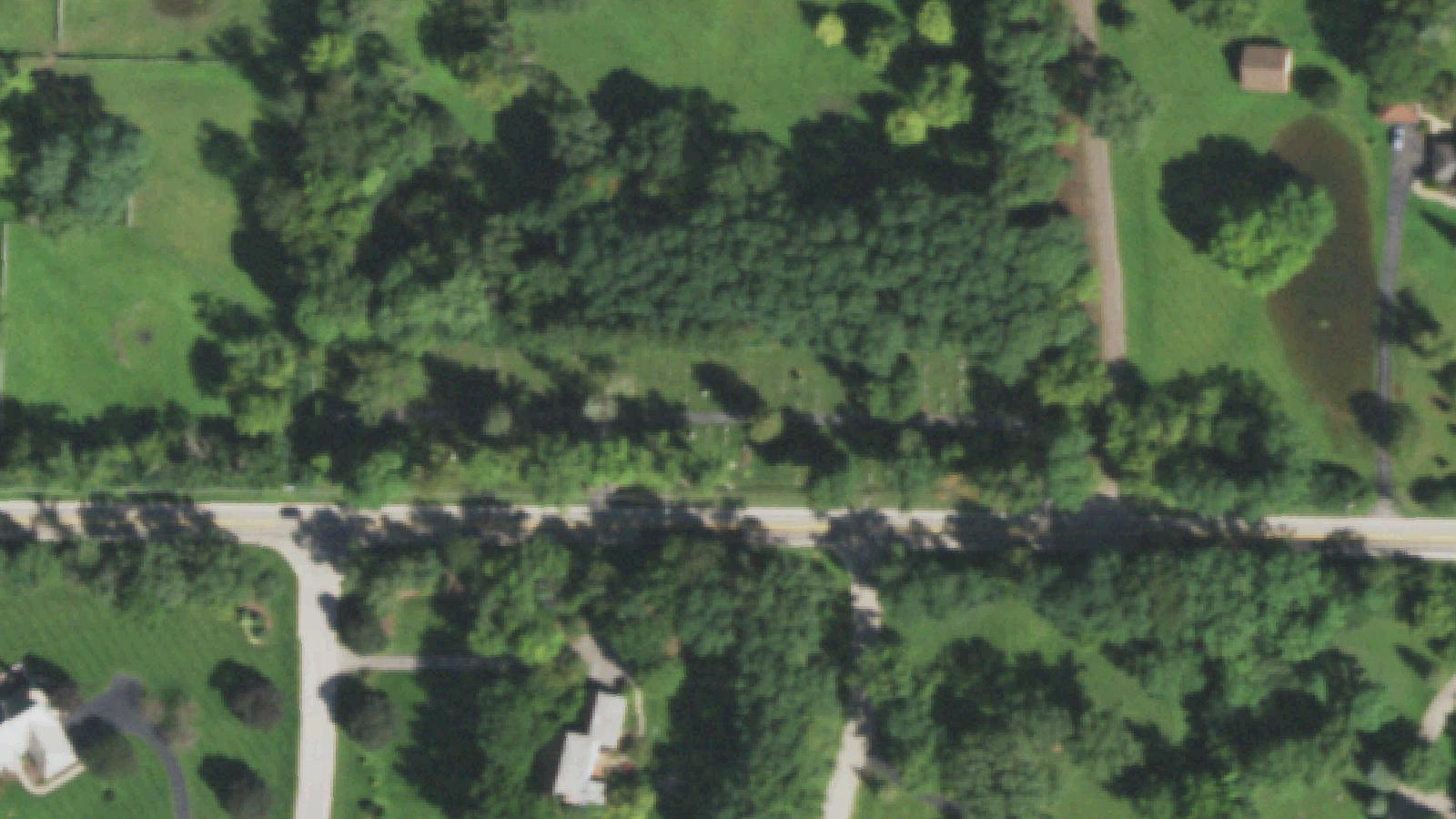
This particular cemetery, located off 18 Mile Road near Hayes Road, contains approximately thirty burial stones. Most date to the 1800s, reflecting the period of early European American settlement in the area. The woodland location suggests this may have been a private burial ground or a small community cemetery serving settlers in the immediate vicinity.
Macomb County's broader cemetery landscape includes Clinton Grove Cemetery, established in 1855 and now containing over 30,000 interments dating from the nineteenth century forward. Smaller, more rural cemetery sites like the 18 Mile Road location represent the scattered pattern of frontier burial practices before large, formally organized cemeteries became the standard.
Sources
- https://www.macombcountyheritagealliance.org/resources-.html
- https://www.findagrave.com/cemetery-browse/USA/Michigan/Macomb-County/Clinton-Township?id=city_167053
- https://www.ole.net/~maggie/macomb/cemetery.htm
Phantom whispersPhantom sounds
The cemetery has generated local folklore regarding auditory paranormal phenomena. According to accounts in the paranormal community, visitors who arrive at midnight on Friday evenings report hearing loud whispers emanating from the surrounding woods. The whispers reportedly form a perimeter around the entire cemetery.
In these accounts, the phenomena intensify during extended visits. Witnesses describe the whispers growing progressively closer, eventually seeming to approach immediately in front of the visitor. The consistent nature of these reports across multiple sources suggests the phenomena may follow a residual pattern—a repeating environmental imprint associated with the location's history.
The wooded setting and isolation of the cemetery may contribute to the acoustic properties that listeners interpret as paranormal. Forest environments are known to create unusual sound dynamics, and the emotional context of being in a cemetery at night may heighten sensitivity to ambient forest sounds. The reports remain anecdotal, and no systematic paranormal investigation documentation is available.