Est. 1912 · Cemetery for prisoners who died under Texas convict lease system at Imperial State Prison Farm · 2018 discovery of 95 additional unmarked graves, all African American, some as young as 14 · Designated Sugar Land city memorial park in 2006 after community advocacy · Key site in documenting the human cost of post-Civil War convict leasing in Texas
The Imperial State Prison Farm opened in 1909 on land that had been a sugar plantation in Fort Bend County, southwest of Houston. The prison farm operated under the convict lease system — the post-Reconstruction-era practice by which Southern states leased incarcerated people to private companies as agricultural and industrial labor in conditions that courts and historians have documented as functionally indistinguishable from slavery. The farm's population was disproportionately African American, driven by racially selective law enforcement and sentencing in the Jim Crow era.
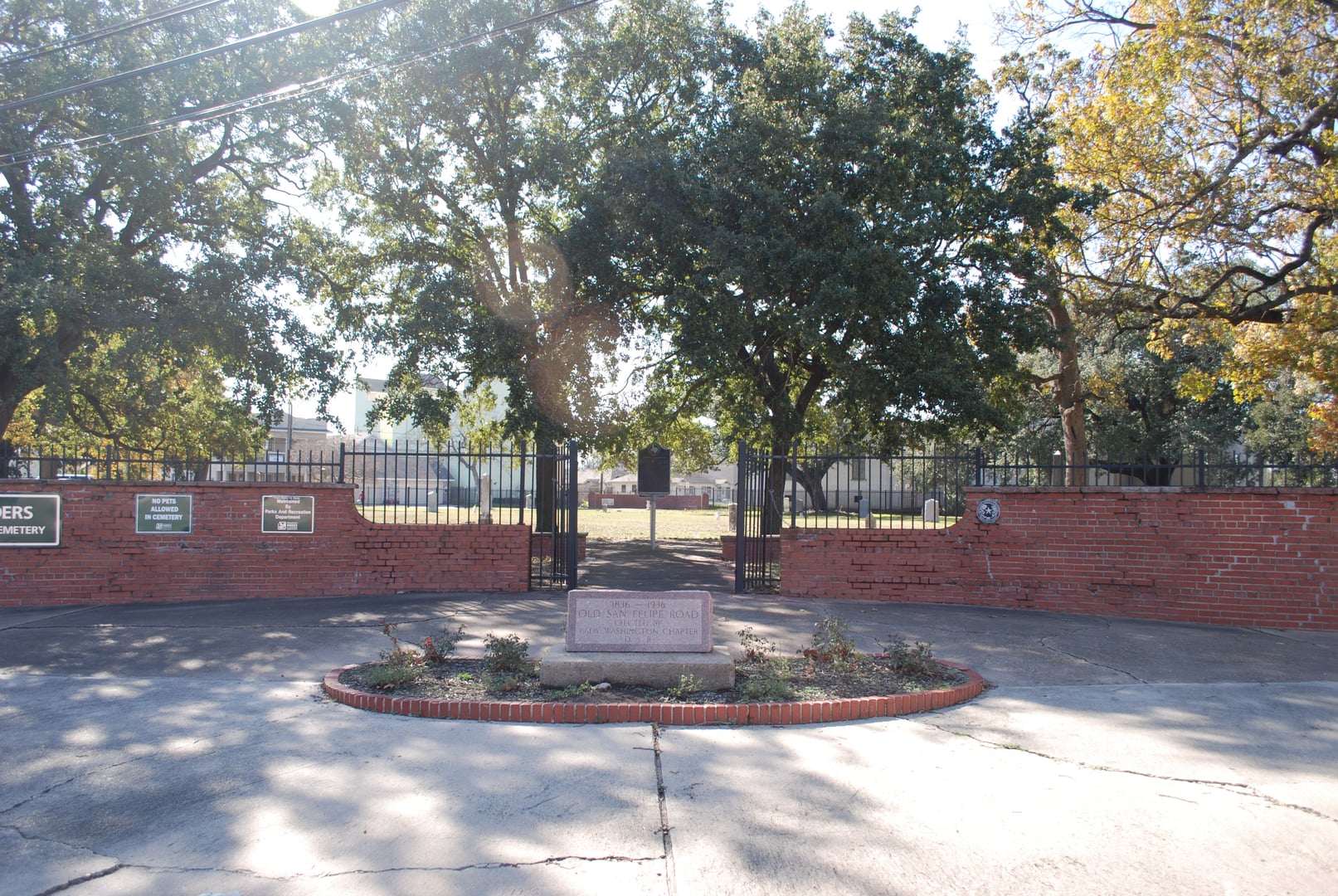
The Old Imperial Farm Cemetery was established in 1912 as the burial ground for prisoners who died at the farm. Death rates under convict leasing were high; injuries from forced field labor, inadequate medical care, and abuse were documented by state inspectors as early as the 1910s. The city of Sugar Land designated the cemetery as a memorial park in 2006, following community advocacy to preserve the grounds.
In 2018, construction of the new Lakeview Elementary School campus in Sugar Land unearthed 95 additional unmarked graves on the former prison farm property — buried beneath what had been a field. Forensic analysis confirmed the remains were predominantly African American. Some individuals were identified as being as young as 14 years old. According to Texas Monthly's coverage of the discovery, local activist and historian Reginald Moore had been warning city and school officials about the likelihood of undiscovered burials at the site for years before the construction crews confirmed his claims.
The 95 newly discovered individuals joined the known population of the 1912 cemetery, creating a more complete record of the human cost of the Imperial Farm convict lease system. City and county officials subsequently worked with historians and descendants to develop a permanent memorial interpretation for both sites. The discovery drew national attention to the persistence of unmarked graves from the convict lease era across the South.
Sources
- https://www.sugarlandtx.gov/1694/The-Old-Imperial-Farm-Cemetery
- https://www.texasmonthly.com/news-politics/newly-discovered-cemetery-vindicates-sugar-land-activist/
- https://historichouston1836.com/old-imperial-farm-cemetery-sugar-land-texas/
Unlike many cemeteries that accumulate ghost lore, the Old Imperial Farm Cemetery is primarily documented through historical and memorial frameworks. The site's weight comes from the verified record: hundreds of incarcerated people, predominantly African American, died under the coercive conditions of the convict lease system and were buried in unmarked or minimally marked graves on prison farm land.
The 2018 discovery of 95 additional graves under a school construction site — confirmed by forensic analysis — transformed the site from a preserved-but-little-known local cemetery into a nationally covered story about the hidden burial grounds of convict lease labor. Texas Monthly's reporting highlighted the role of Reginald Moore, who had documented the Imperial Farm deaths and the likely presence of additional burials for years before the construction confirmed his findings.
The community's ongoing efforts to formally recognize and memorialize the Sugar Land 95 — the name adopted for those whose remains were found in 2018 — have centered on dignity and historical accountability rather than paranormal framing. Visitors to the site are encountering a place where documented institutional violence left physical evidence that remained hidden for more than a century.
Notable Entities
The Sugar Land 95 — individuals whose remains were discovered in 2018
Media Appearances
- Newly Discovered Cemetery Vindicates Sugar Land Activist (Texas Monthly, 2018)
Where this legend is told