Outdoor Exploration
Goatman's Bridge Walk
Walk the 1884 iron truss bridge and the wooded Hickory Creek trails that have made this one of North Texas's most-investigated paranormal sites.
- Duration:
- 1 hr
HauntBound archive · catalog record
Reported phenomena, as catalogued
+ 2 further entries on record
An 1884 iron truss bridge over Hickory Creek between Denton and Copper Canyon, Texas, known as 'Goatman's Bridge' for a lynching legend and for decades of reported apparitions, lights, and physical disturbances.
Old Alton Road over Hickory Creek, Copper Canyon, TX 75077
Research updated September 2026
Age
All Ages
Cost
Free
Free public historic bridge and surrounding trails.
Access
Limited Access
Historic timber-and-iron pedestrian bridge with dirt trails and creek banks.
Equipment
Photos OK
Est. 1884 · Iron truss bridge built 1884 by the King Iron Bridge Manufacturing Company · Carried traffic over Hickory Creek until 2001; now a pedestrian bridge · Denton County historic landmark with a historical marker · Associated with a Jim Crow-era lynching legend reflecting the region's history of racial violence · Featured by national paranormal media including Ghost Adventures and BuzzFeed Unsolved
Old Alton Bridge spans Hickory Creek along Old Alton Road, connecting the cities of Denton and Copper Canyon in Denton County, Texas. It was erected in 1884 by the King Iron Bridge Manufacturing Company of Cleveland, Ohio, at a site that had earlier been a cattle ford. The single-span iron truss carried horse, wagon, and later automobile traffic for well over a century.
The bridge remained in vehicular use until 2001, when traffic was shifted to a new adjacent concrete-and-steel bridge. The original 1884 structure was preserved and is now restricted to foot traffic, with a Denton County historical marker documenting its significance as an example of late-nineteenth-century iron bridge construction.
The bridge's enduring fame, however, comes from its nickname, 'Goatman's Bridge,' and the legend attached to it. The most widely circulated version tells of an African American goat farmer murdered by local Ku Klux Klan members in 1938. Historians who have examined Denton's records, as noted in coverage by All That's Interesting and We Denton Do It, have not been able to verify the specific named victim ('Oscar Washburn') or a documented lynching at the bridge — while also acknowledging that lynchings during the Jim Crow era frequently went unrecorded. This listing presents the lynching narrative as documented local legend set against a real and painful history of racial violence in the region, not as a confirmed event tied to a named individual.
The site has become a focal point for paranormal interest and dark tourism, drawing television crews including Ghost Adventures and BuzzFeed Unsolved, and it is profiled by Atlas Obscura, Legends of America, and Wikipedia as one of the most notable haunted locations in North Texas.
Sources
According to Legends of America, Atlas Obscura, and Denton-area local history, the most circulated origin of the 'Goatman' legend involves an African American goat farmer who tended a successful herd near the bridge in the 1930s. The story holds that when he advertised his business with a sign reading 'this way to the Goatman' on the bridge, local Ku Klux Klan members lynched him by hanging him over the side in 1938 — and that when they descended to confirm his death, his body had disappeared. Researchers who have examined Denton's records have been unable to document the specific named victim, and this listing treats the tale as legend grounded in a real era of racial terror rather than as a verified individual case.
The paranormal lore that grew from this story is extensive. The bridge is said to be haunted by the Goatman, variously described as the spirit of the murdered farmer or as a half-man, half-goat figure with glowing red eyes. A common challenge holds that crossing the bridge at night without headlights — as the Klansmen reportedly did — will summon him on the far side. Visitors and investigators report disembodied growls and voices, mysterious lights moving through the trees, the sensation of being touched or grabbed, and rocks thrown from the darkness along the Hickory Creek trails.
The site's reputation has been amplified by national paranormal television, including Ghost Adventures and BuzzFeed Unsolved: Supernatural, cementing Goatman's Bridge as one of the most visited 'haunted' locations in North Texas. HauntBound presents the legend with care: the underlying narrative concerns racially motivated murder, and the site is framed as a place to reckon with that history rather than to sensationalize it.
Notable Entities
Media Appearances
Walk the 1884 iron truss bridge and the wooded Hickory Creek trails that have made this one of North Texas's most-investigated paranormal sites.
The bridge draws after-dark paranormal investigators; several commercial ghost-tour and investigation groups operate visits here. Bring a flashlight and use caution on uneven terrain.
Some links on this page may earn HauntBound a small commission when you book, at no extra cost to you. Our editorial picks are independent. Full disclosure
Every HauntBound history is researched from documented sources. We clearly separate verified historical fact from paranormal folklore.
Free Guide
10 verified stops, rated for families, mapped in order. Free.
One email to confirm, then the guide link. Unsubscribe anytime.
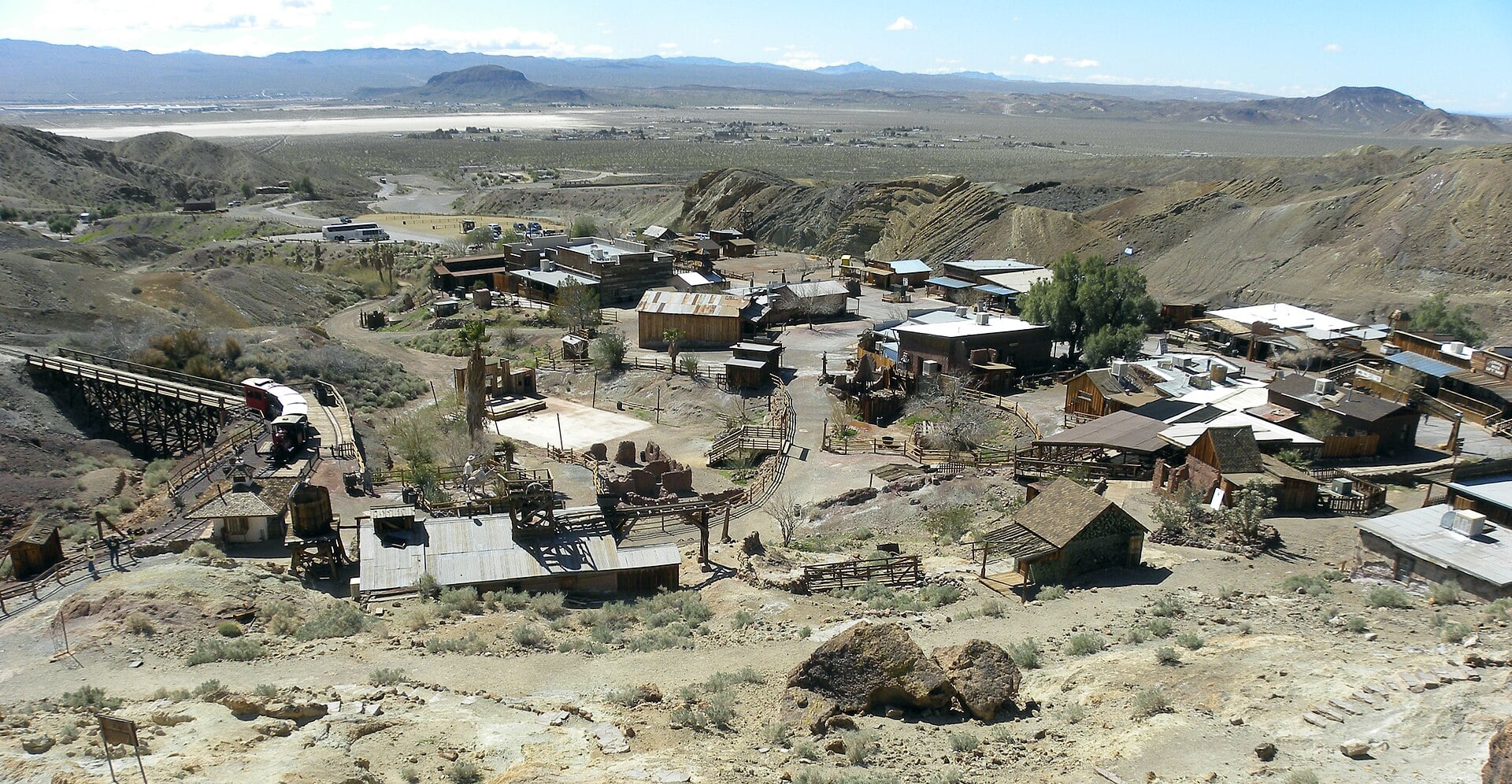
Yermo, CA
Calico was founded in 1881 as a silver mining boomtown in the Mojave Desert. The Silver King Mine became California's largest silver producer, generating 70% of the state's silver output during the mid-1880s. The town achieved peak prosperity before declining as silver prices collapsed.
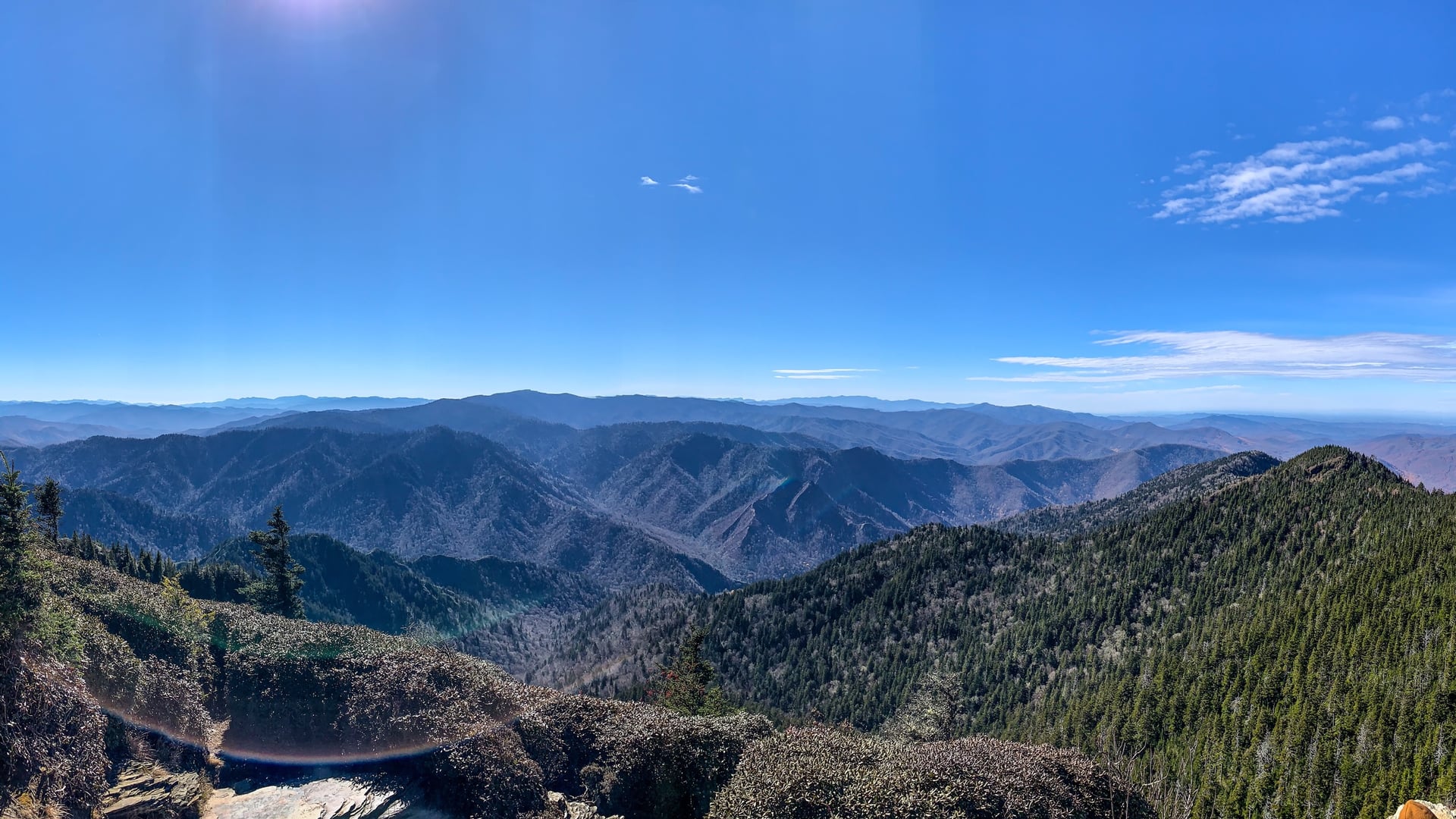
Gatlinburg, TN
Great Smoky Mountains National Park preserves 522,427 acres of southern Appalachian terrain across Tennessee and North Carolina. The land was the heart of the Cherokee Nation before forced removal in 1838 along what became the Trail of Tears, and home to Appalachian Scots-Irish and English settler communities through the early twentieth century. Congress authorized the park in 1926; it was formally dedicated by Franklin D. Roosevelt on September 2, 1940.
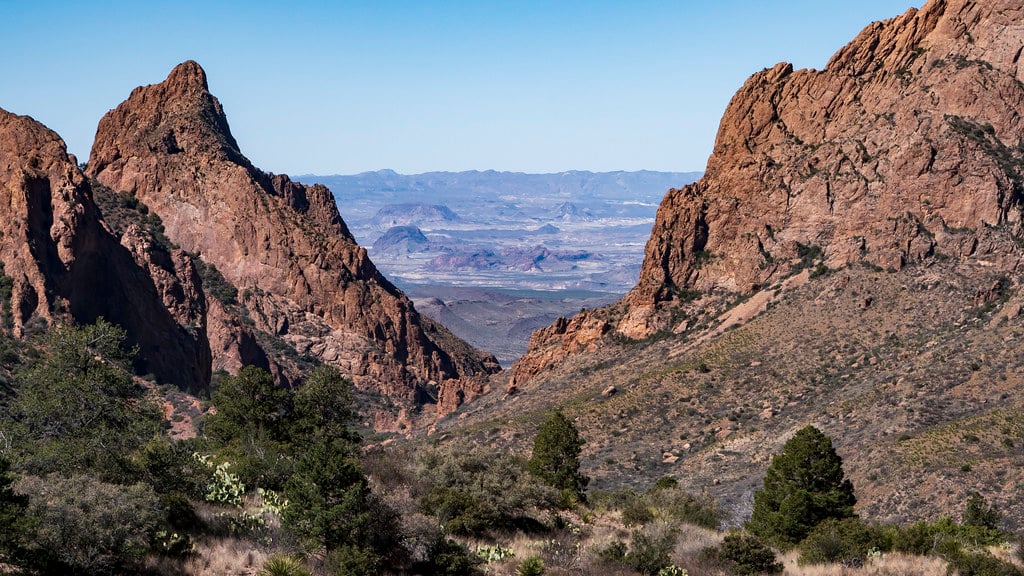
Big Bend National Park, TX
The Chisos Mountains rise from the Chihuahuan Desert in the center of Big Bend National Park, their volcanic peaks reaching 7,825 feet at Emory Peak. The name 'Chisos' is linked to the Chisos band of the Limpia Mescalero Apache, who used the mountains as their primary refuge territory. Their last chief, Alsate — known also as Arzate and Pedro Múzquiz — was lured into a Mexican army trap at San Carlos around 1878–1879, escaped, was recaptured, and was executed by firing squad at Ojinaga, opposite Presidio on the Rio Grande, around 1881 or 1882.