Est. 1861 · Civil War Era Architecture · Texas Pioneer Heritage · Dallas Preservation · Antebellum Architecture · National Register of Historic Places · Dallas Preservation History
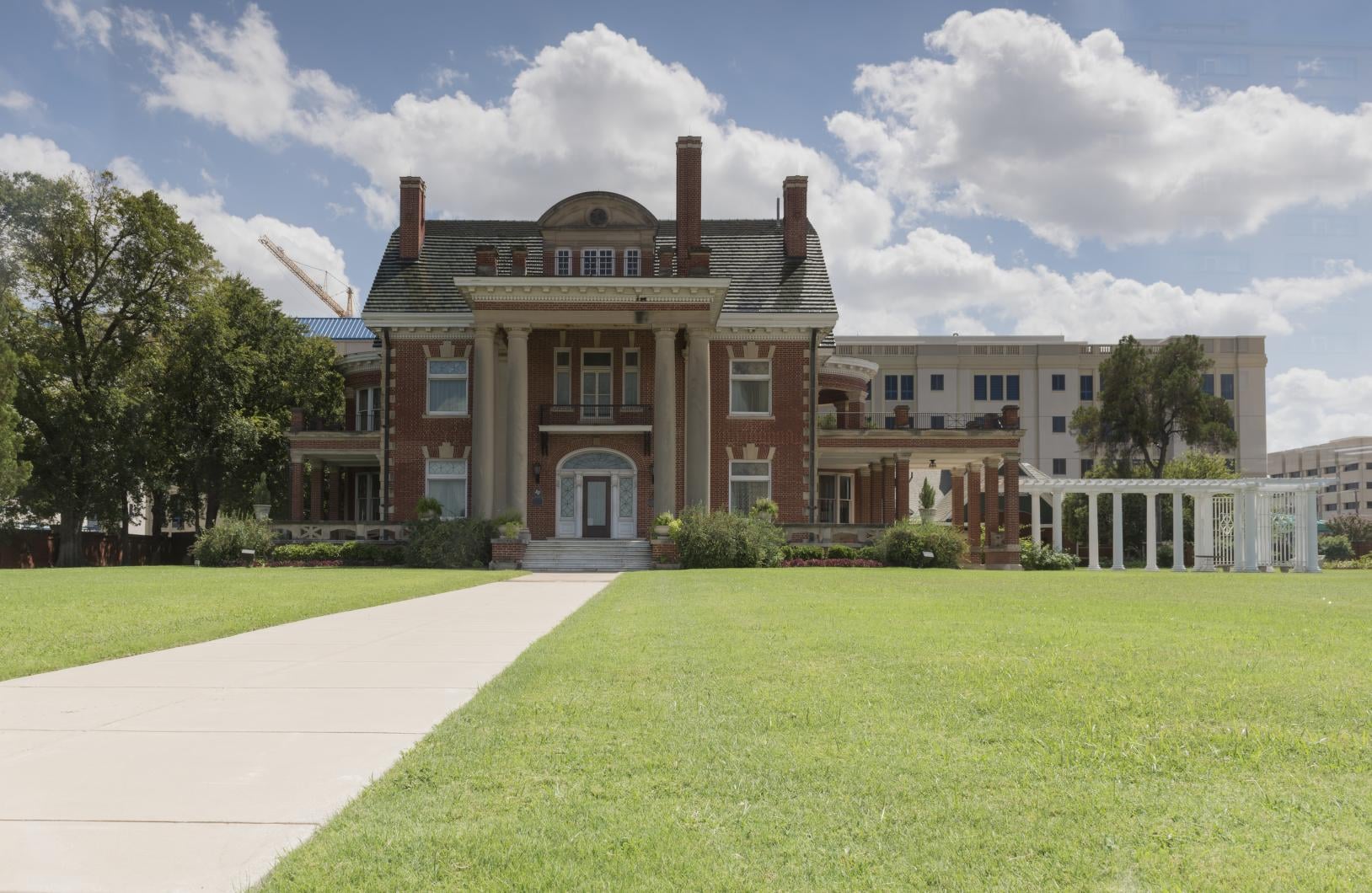
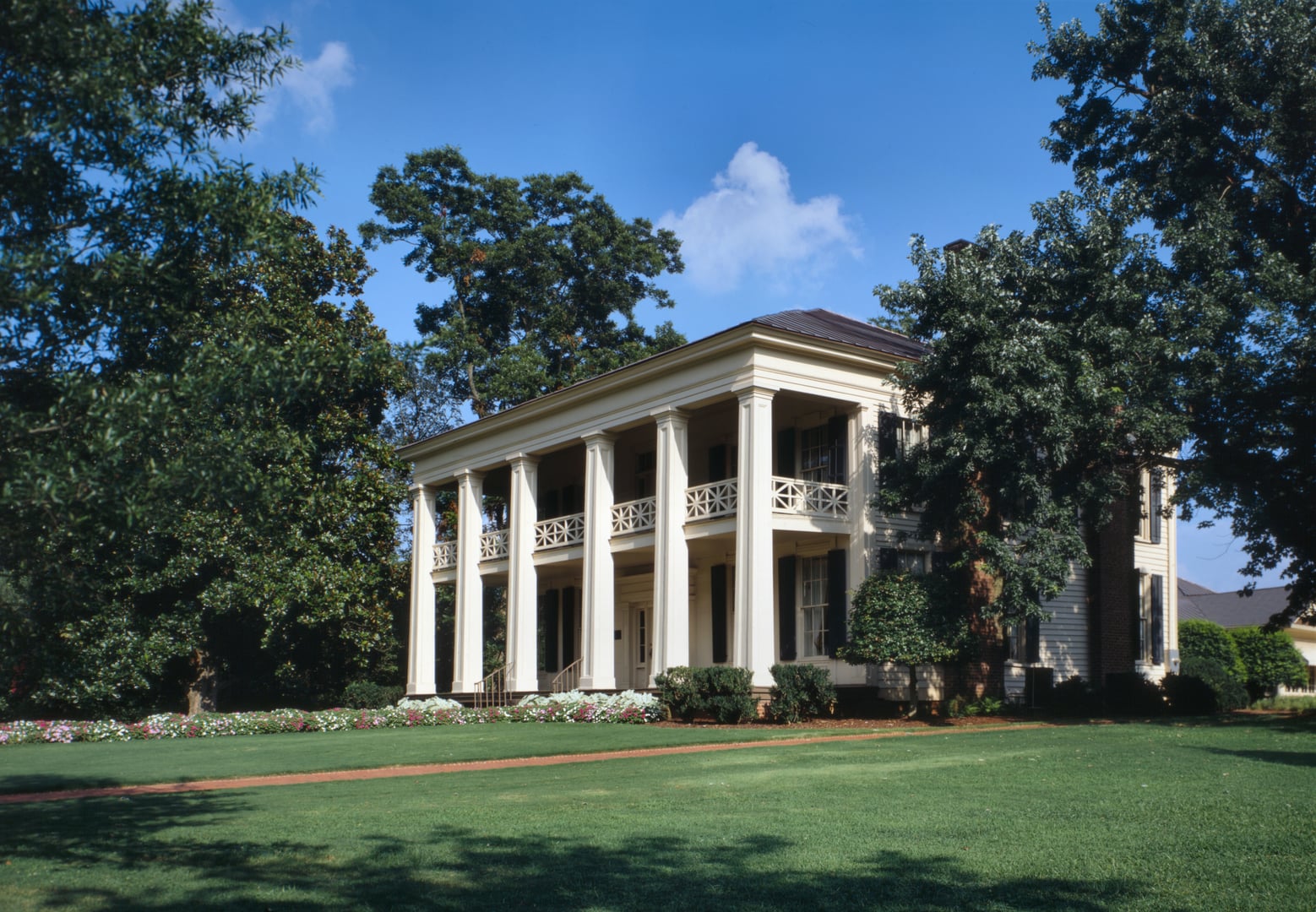
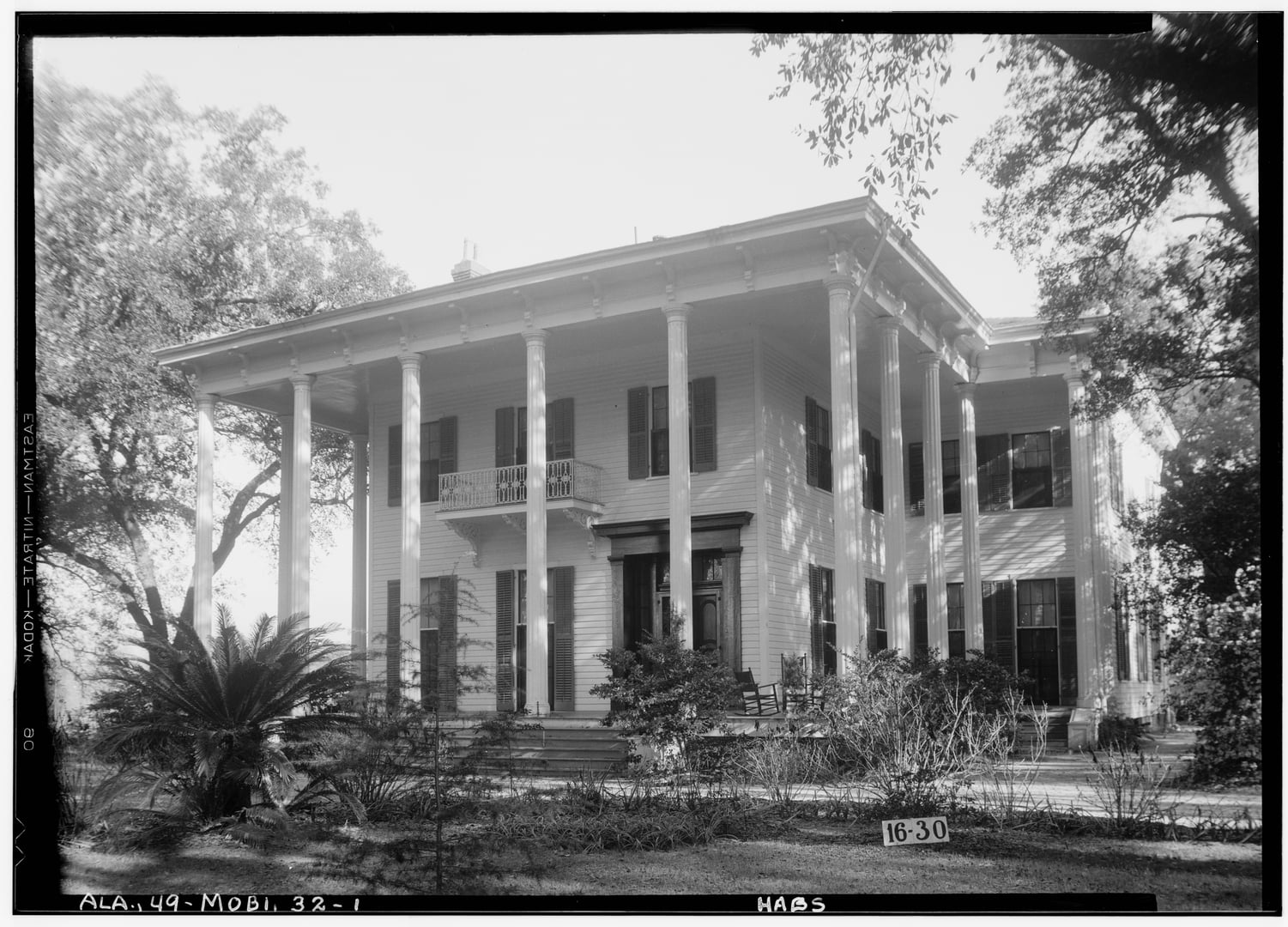
The Miller family completed Millermore in 1861 on their plantation property near Dallas. The Greek Revival design — two stories, formal front facade, period-appropriate proportion — represented considerable investment for the antebellum Texas economy. The family held the property through the Civil War, Reconstruction, and into the 20th century: a tenure of over a hundred years in a region that saw significant property disruption during and after the war.
By the 1960s, the house faced demolition. The Founders Garden Club organized the relocation effort that moved the structure to Old City Park, where it became the focal point of the Dallas Heritage Village development. Today the museum houses 38 19th-century structures and represents the largest collection of pioneer and Victorian architecture in Texas.
Millermore's Civil War-era origins and its multi-generational Miller family occupation provide the historical substrate for the paranormal tradition that has developed over the museum's 30-plus years of public operation.
Sources
- https://www.cbsnews.com/texas/news/north-texas-ghost-stories-the-millermore-mansion/
- https://dallasterrors.com/the-haunted-millermore-mansion/
- https://dallasheritagevillage.org/
- https://dallasheritagevillage.org/hours-admissions/
- https://www.wfaa.com/article/features/dallas-hauntings-old-city-park-ghost-stories/287-5842d845-cad3-468b-84a5-7dc9fe6d9eea
ApparitionsCold spotsSensed presenceResidual haunting
The Millermore accounts are distinguished by the consistency of their physical location across three decades. Museum guests who had never spoken to staff, volunteers who had not compared notes with each other, and career museum employees have all described sensing or observing a female presence on the second floor — specifically in the nursery and master bedroom areas.
The consistency extends to the character of the encounters. The presence is not described as threatening or disruptive. It is described as present — as occupying the space with the quality of someone who belongs there, not someone who does not belong.
Regional accounts say several of the Miller children died young. Whether one of these children, or an adult Miller family member, underlies the accounts has not been established.