Est. 1924 · Houston's first centralized public hospital · National Register of Historic Places (2005) · Houston Protected Historical Landmark (2013) · Built atop the 1840 Houston City Cemetery
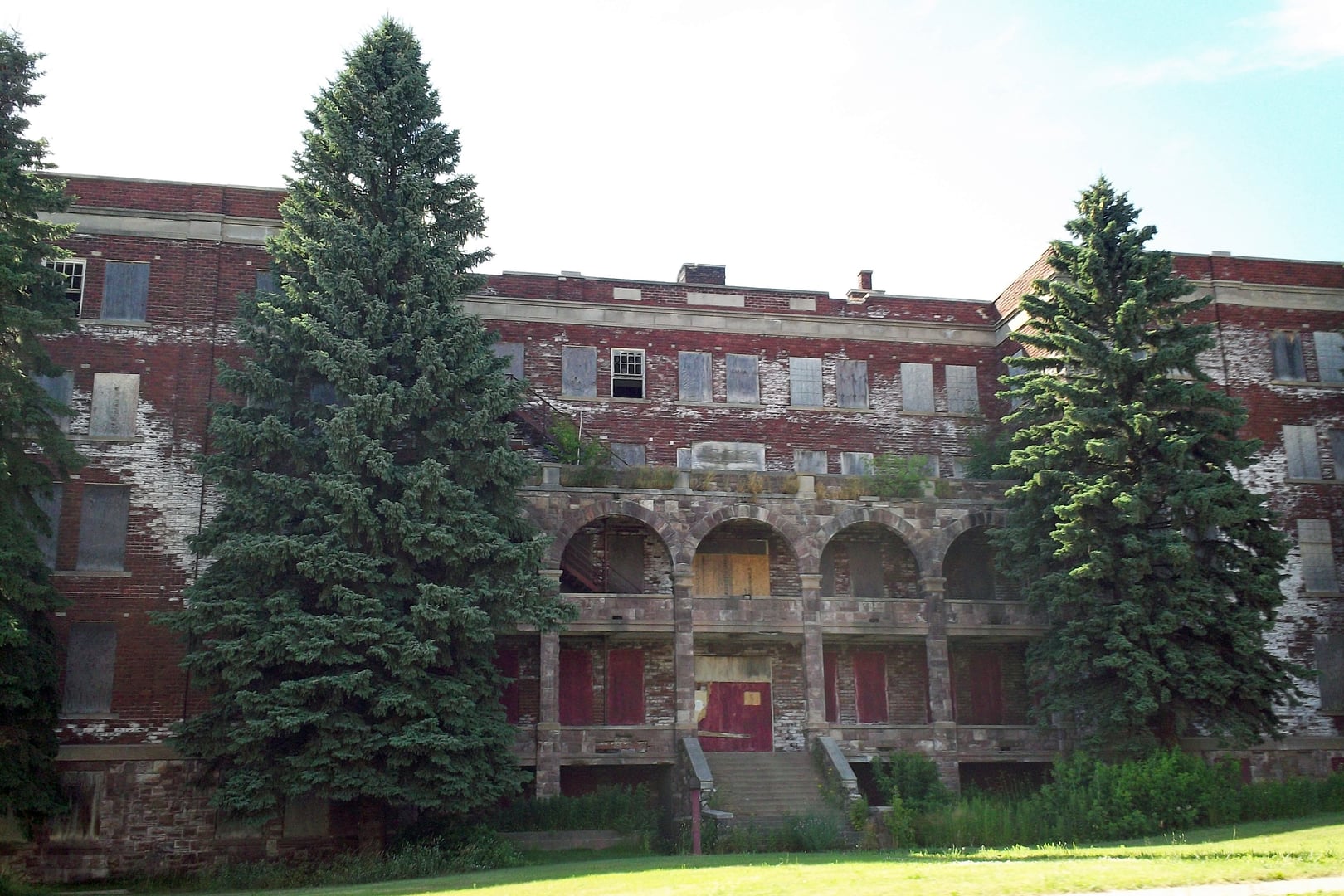
Jefferson Davis Hospital opened on March 15, 1925 at 1101 Elder Street as Houston's first centralized public hospital for indigent patients, jointly operated by the City of Houston and Harris County. Completed in 1924 in the Classical Revival style with a red-brick exterior, the building was constructed atop the 1840 Houston City Cemetery, which had been active until the 1880s; widespread removal of graves did not occur during construction, and the building's basement was therefore erected above ground. The hospital served as Jefferson Davis Hospital for only thirteen years before a newer facility on Buffalo Drive (now Allen Parkway) took the name in 1937. The original building, then called "Old Jefferson Davis Hospital," served as a psychiatric hospital, juvenile detention ward, food stamp distribution center, and records storage facility over subsequent decades. The building sat largely vacant before a $6.3 million rehabilitation began in 2003, converting 39,000 square feet into 34 artist lofts under the name Elder Street Artist Lofts. Restoration was completed in 2005, and the building was added to the National Register of Historic Places that same year. In 2013 it received Protected Historical Landmark designation.
Sources
- https://en.wikipedia.org/wiki/Jefferson_Davis_Hospital
- https://sah-archipedia.org/buildings/TX-01-HN108
- https://www.tshaonline.org/handbook/entries/jefferson-davis-hospital
- https://www.hmdb.org/m.asp?m=225824
Feelings of being watched in interior spacesReports of shadow figuresUnexplained scents in former hospital areas
Because the hospital was constructed over an active 19th-century burial ground without comprehensive removal of remains, the site has long carried a reputation among Houstonians for unexplained phenomena. Visitors during the building's long vacancy reported feelings of being watched, the appearance of shadow figures, and the smell of sterilization solutions in certain interior spaces. Local lore describes the spirits of patients, doctors, and nurses lingering in the corridors. The building is now occupied by working artists and their families and is no longer open for casual exploration; lingering accounts of unexplained activity from current residents are anecdotal and not officially documented by the property's management.
Media Appearances
- Featured in regional ghost-tour coverage
- Cited in Houston paranormal histories