Est. 1901 · National Register of Historic Places · Mission Revival Architecture · Early Ventura County Medical History
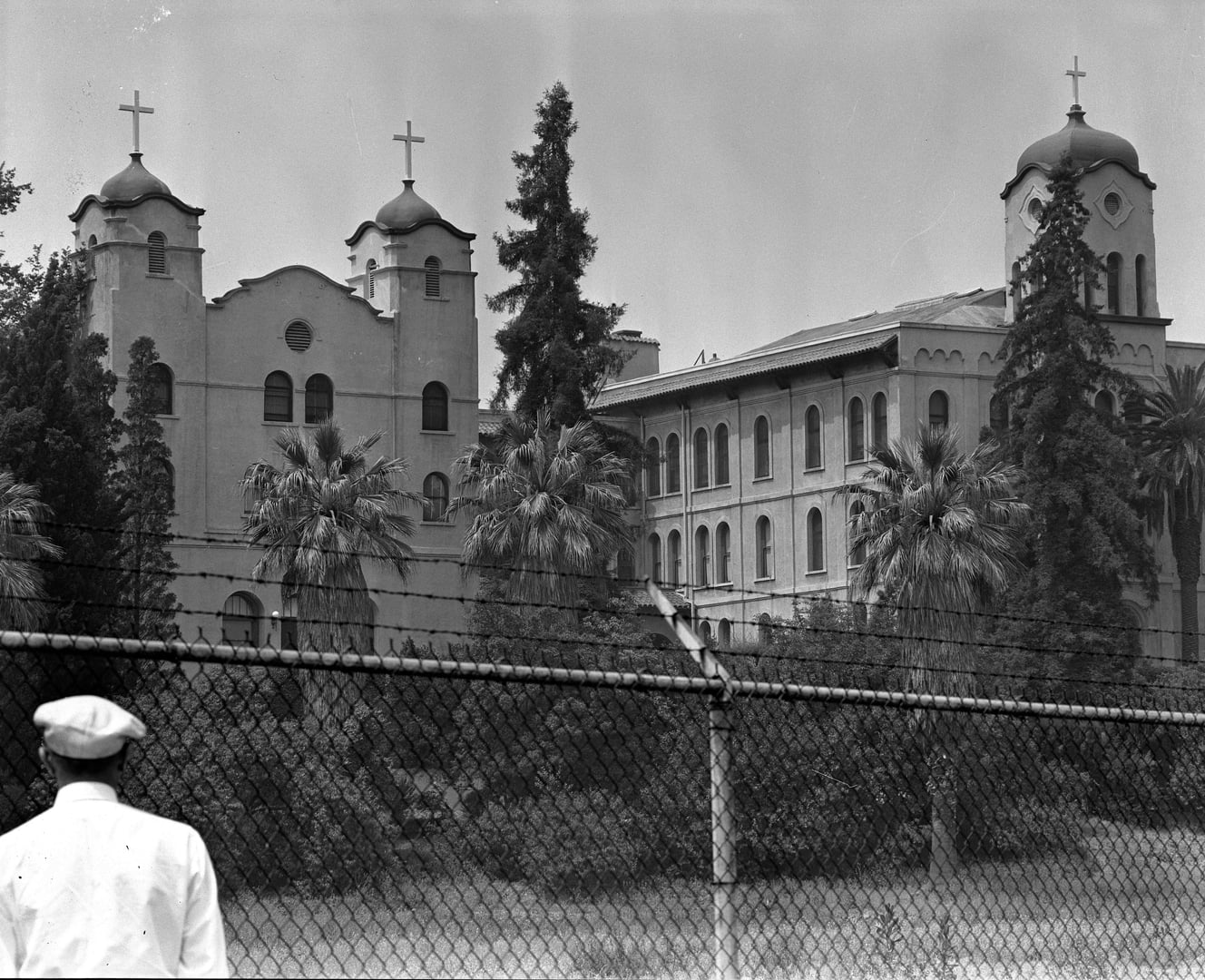
Cephas L. Bard, who had practiced medicine in Ventura since 1868 and served as the first president of the Ventura County Medical Association, purchased a quarter block at the corner of Fir and Poli streets to build a hospital honoring his mother. The structure, designed in the Mission Revival style with covered terraces, a covered porch, and a three-story bell tower at the southeast corner, opened to patients in January 1902.
Dr. Bard died at the new hospital in April 1902 at age 56, only months after its opening. The building continued in medical use through the early twentieth century before transitioning to public administrative use. Ventura County owned and used the building from 1932 to 1976, with portions serving as a detention facility, county welfare offices, statistician's offices, the human relations commission, and the agricultural bureau.
In late 1981, the building sold for $500,000 to a Woodland Hills investment group, which spent $1.3 million on a 1982 renovation. It was added to the National Register of Historic Places in November 1977. Today the Elizabeth Bard Memorial Building houses professional office suites at 121 North Fir Street.
Sources
- https://en.wikipedia.org/wiki/Elizabeth_Bard_Memorial_Hospital
- https://www.laconservancy.org/learn/historic-places/elizabeth-bard-memorial-hospital-building/
- https://www.conejovalleyguide.com/welcome/the-historic-elizabeth-bard-memorial-building-in-downtown-ventura
- https://noehill.com/ventura/nat1977000361.asp
Object movementLights flickering
Tenant accounts at the Elizabeth Bard Memorial Building describe small objects shifting position between visits and overhead lights cutting out without manual interaction. The single most-repeated detail in user-submitted folklore is a verbal cue: lights are reported to come back on when an occupant says aloud, 'I'm not finished yet.'
These reports are anecdotal and largely circulate through paranormal-aggregator sites and former tenants rather than documented investigation. The building's transition from a working hospital — where Cephas Bard himself died in 1902 — through county detention and welfare uses, and finally to private offices, is the historical thread most commonly cited as an explanation. No paranormal investigation reports are published in the National Register or city historical files.