Est. 1915 · National Register of Historic Places · Indigenous Boarding School History · Catholic Institutional History · Adaptive Reuse
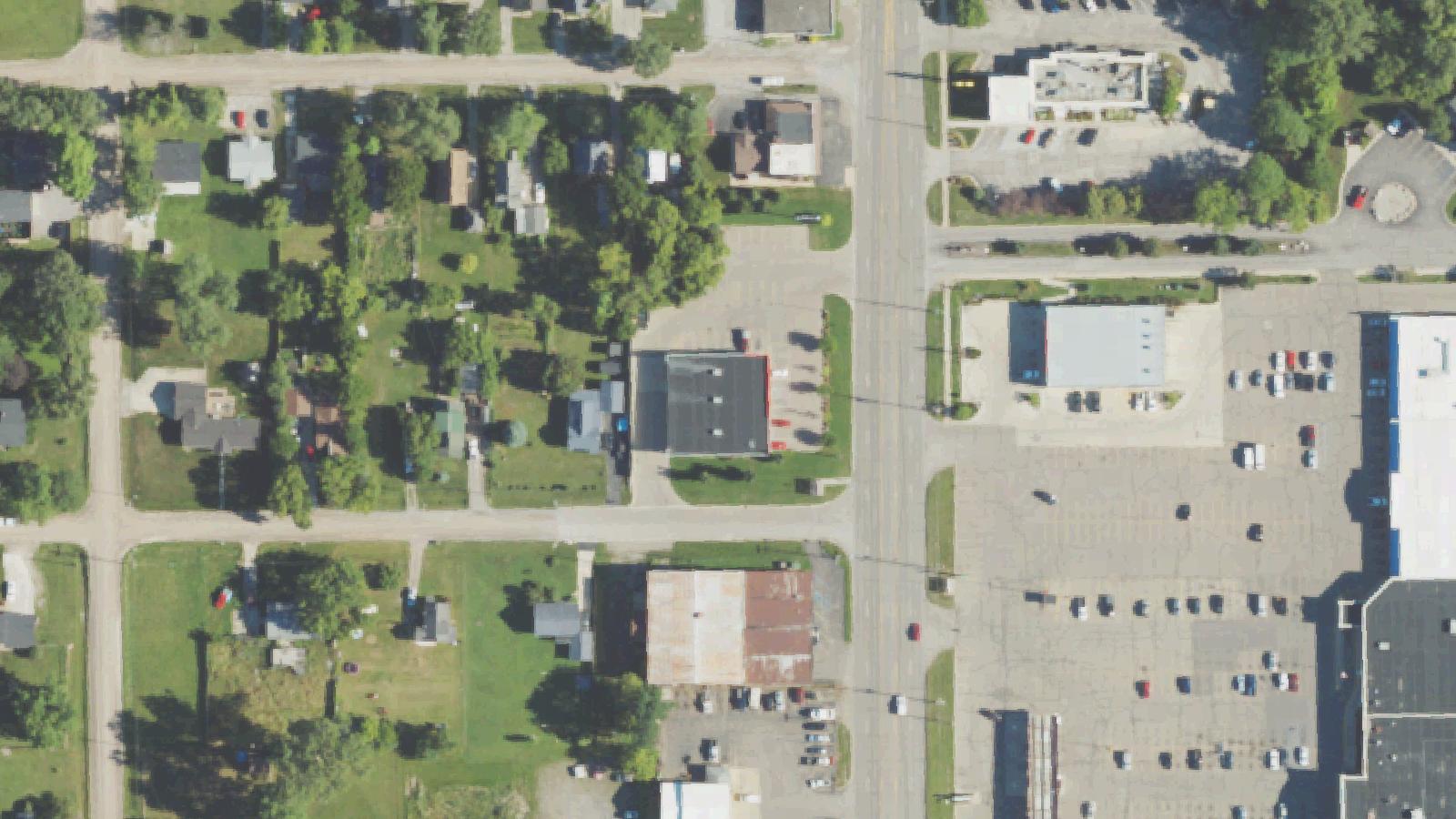
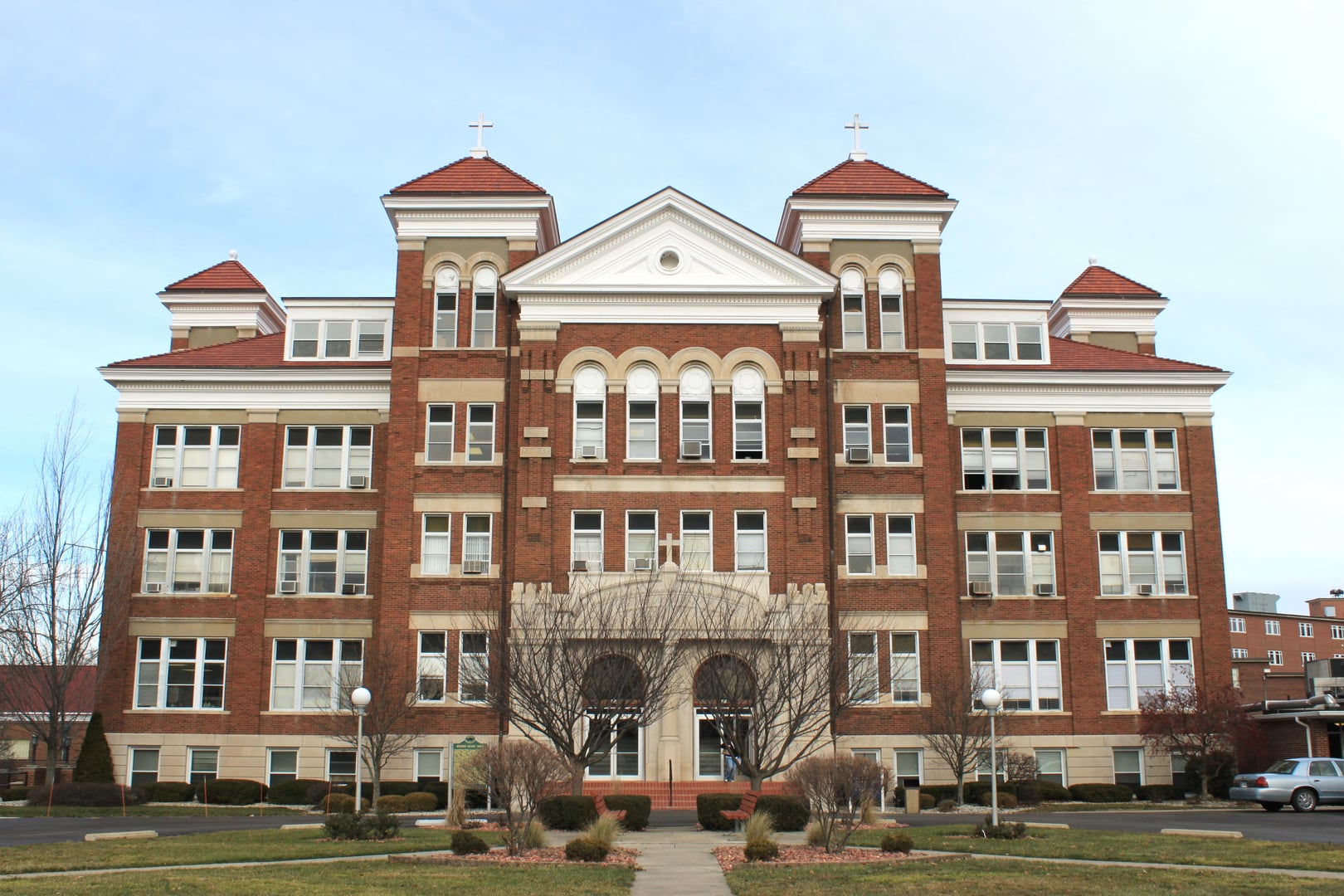
The Holy Family Orphanage was a Catholic-run institution at 600 Altamont Street in Marquette, Michigan, on the Upper Peninsula's Lake Superior shore. The orphanage opened in 1915 in a substantial Renaissance Revival brick building and served children primarily from the Upper Peninsula and adjacent regions. At its peak the facility housed approximately 200 orphans.
The institution's documented history includes a chapter that subsequent reporting has treated with care. According to research compiled in regional and university sources, the orphanage was an active site in the federal and church-led assimilation policies imposed on Indigenous communities. Eight nuns are documented as arriving in Marquette with sixty Native American children removed from their families at Assinins; these children were among those held at the orphanage and later placed for adoption with white families. Many former residents have declined in published interviews to discuss their experiences in detail, citing the severity of the punishments and conditions.
The orphanage served its last orphan in 1967 as the broader American institutional-care model gave way to foster care. The building was formally abandoned in 1982 and stood vacant for more than three decades, accumulating substantial water damage, vandalism, and a regional reputation as a haunted ruin.
In 2016, Community Action Alger-Marquette acquired the property in partnership with developer Home Renewal Systems. Groundbreaking on the Grandview Apartments rehabilitation occurred on August 17, 2016. The $15.8 million project was completed in 2018, converting the orphanage into 56 affordable housing units. The building was added to the National Register of Historic Places on October 5, 2015, prior to the rehabilitation.
Sources
- https://en.wikipedia.org/wiki/Holy_Family_Orphanage
- https://www.miningjournal.net/news/local/2023/07/then-and-now-holy-family-orphanage-city-of-marquette/
- https://www.huduser.gov/portal/pdredge/pdr-edge-inpractice-021919.html
- https://nmu.edu/upperpeninsulastudies/sites/upperpeninsulastudies/files/2021-11/Interview_about_The_Holy_Family_Orphanage_in_Marquette_by_Richard_Ryan.pdf
- https://yesterdaysamerica.com/the-sordid-story-of-marquettes-holy-family-orphanage/
- https://www.youtube.com/watch?v=ow3ttBSXomo
ApparitionsPhantom soundsObject movementOrbs
Throughout the building's vacancy from 1982 to roughly 2016, the orphanage was a common stop on regional urban exploration and paranormal investigation routes. Marquette residents and visitors reported figures moving past partially boarded windows, lights or orbs flitting through the dark interior after sundown, and audible sounds attributed to children. One commonly retold account involved an empty baby carriage that allegedly rolled across a floor without visible cause.
The Shadowlands submission anchors the lore in two specific stories. In one, children at the orphanage were beaten and killed by staff. In the second, a girl was forced or sent outside during a winter blizzard, contracted pneumonia, and died, with her body allegedly displayed in the front lobby as a warning to other children. Neither specific account is corroborated in the documented record of the institution. The general environment of strict, often harsh treatment is consistent with surviving testimony from former residents; the specific 'blizzard girl' story carries the structural markers of folklore rather than archival fact.
The building's deeper historical weight is documented and significant: sixty Native American children removed from their families at Assinins were held here and later placed for adoption with white families, the kind of well-recorded institutional injury that shapes how a place feels long after its function ends. The folklore that accumulated during the vacancy period belongs to the building's afterlife rather than to its operating history, and with the 2018 conversion to apartments, the haunted ruin phase has effectively ended.