Est. 1919 · Adrian Dominican Sisters · Michigan Catholic Higher Education
Siena Heights University began as St. Joseph's College in 1919, established by the Adrian Dominican Sisters at their motherhouse property in Adrian, Lenawee County, Michigan. The college served women students through its early decades and developed an early reputation in liberal arts and Catholic teacher preparation.
The institution became coeducational in the late 1960s and reorganized as Siena Heights College in 1969, taking its current name from the Italian birthplace of St. Catherine of Siena, a Dominican patron. The college achieved full university status in 1998 and now offers undergraduate and graduate programs across multiple disciplines.
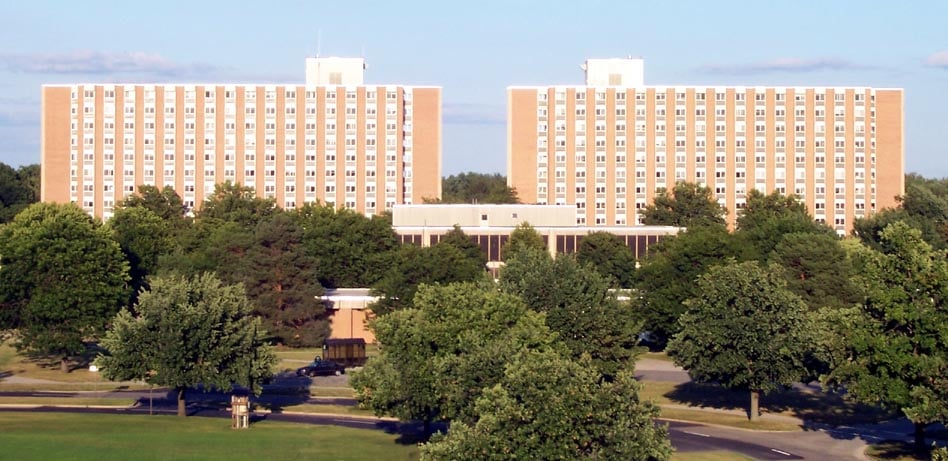
The Adrian campus retains buildings dating to the original St. Joseph's College era, including dormitories constructed in the early twentieth century. The university operates as a private institution affiliated with the Adrian Dominican Sisters, and access to residence halls and most interior spaces is restricted to current students, faculty, and credentialed visitors. The campus is open to public exterior visitation, and the admissions office welcomes prospective-student tours by appointment.
Local histories of Adrian and Lenawee County place the campus within a broader nineteenth and twentieth century Catholic institutional landscape that also includes the Adrian Dominican motherhouse, several historic churches, and surrounding agricultural and small-industry properties.
Sources
- https://www.sienaheights.edu/
- https://99wfmk.com/sienauniversity/
- https://www.michiganhauntedhouses.com/real-haunt/siena-heights-university.html
Doors opening/closingObject movementApparitionsPhantom soundsPhantom footstepsCold spotsLights flickering
The most circulated piece of Siena Heights folklore is the long-running story of Room 211 in the older section of the residence halls. A first-person account submitted to the Shadowlands Haunted Places Index by a 1970s resident describes doors into the room and the adjoining bathroom opening and closing on their own, including when the main door was locked. The resident also describes two points of light shaped like eyes that appeared on one wall when the room was dark.
The resident's account documents a series of attempts to identify a natural cause: covering the spot to test reflection theories, painting and sanding the wall, hanging coverings that were repeatedly displaced. A later resident reportedly hung a mirror over the spot and kept a rocking chair in the room; during one event with multiple witnesses the chair was reported to rock on its own and then to fly back and shatter the mirror.
Other reports attached to the residence halls in subsequent decades describe muffled voices and footsteps in supposedly vacant rooms, cool zones, and an apparition of a young woman with long dark hair on the third-floor bathroom. A separate piece of campus folklore attributes some of the activity to construction workers killed when a beam fell during the early twentieth-century building era, though research did not surface independent documentation of those deaths.
The university does not run public tours of the residence halls, and the room-specific lore remains a campus story rather than a programmed experience. Visitors interested in the folklore are limited to exterior campus visitation; residents and alumni occasionally write about the experience in regional outlets including 99WFMK and Michigan Macabre.