Est. 1952 · Trinity River basin flood control project · 1948–1952 Army Corps of Engineers construction · Cross Timbers ecoregion shoreline
Grapevine Lake was authorized as part of the U.S. Army Corps of Engineers' Trinity River basin flood-control program following catastrophic 1942 flooding in the lower Trinity. Construction of the earth-fill dam began in January 1948 and was completed on June 6, 1952, with deliberate impoundment of water beginning on July 3 of that year. The dam stands 137 feet above the streambed and includes a 500-foot uncontrolled concrete spillway.
The Corps acquired approximately 15,700 acres of land and placed easements on an additional 2,200 acres for the reservoir. Several small Cross Timbers-region communities were displaced by the impoundment, with farmhouses and the small community of Grapevine Canyon flooded by the rising water in 1952.
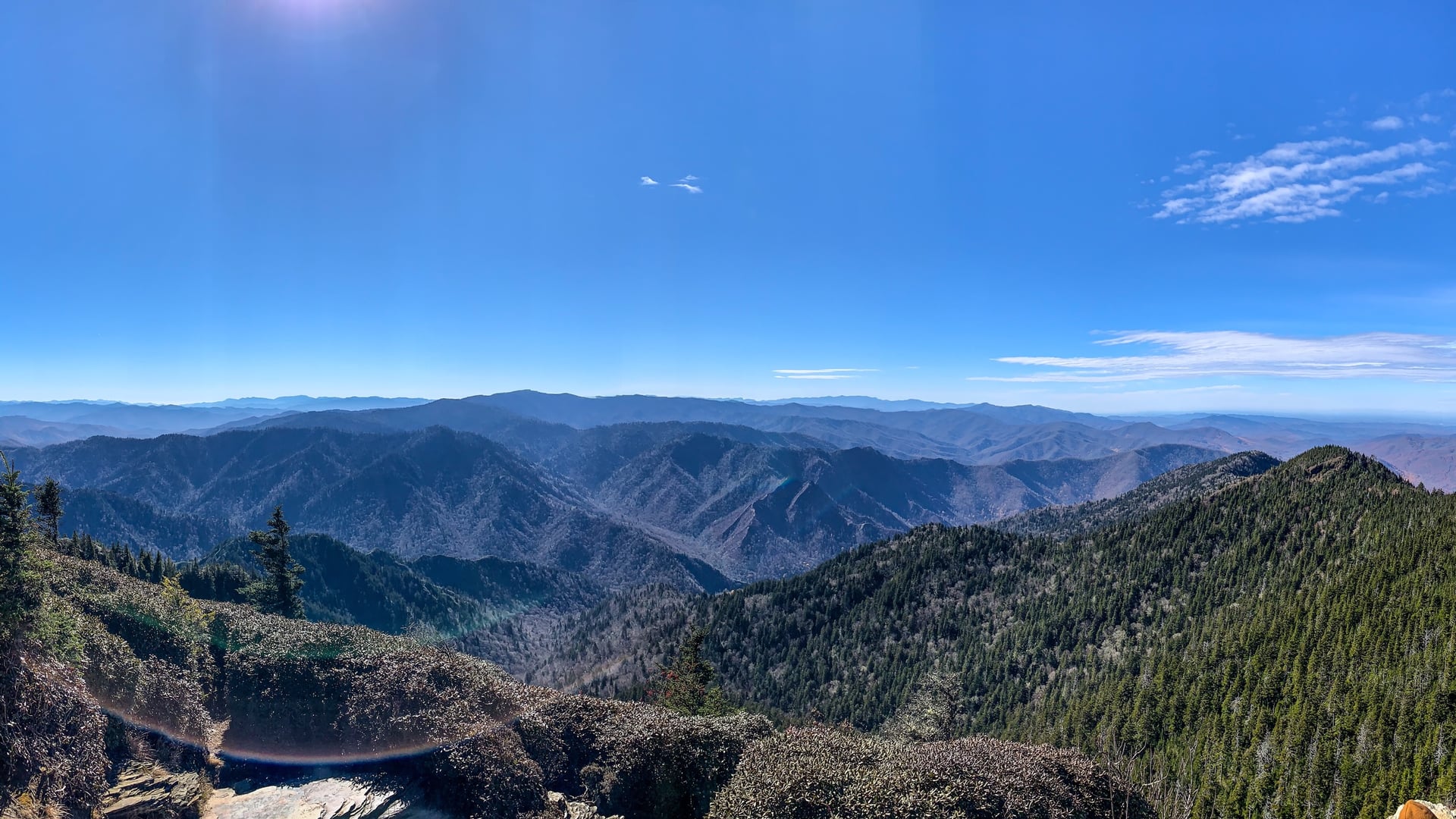
The lake currently has a surface area of approximately 7,300 acres and serves municipal water supply, flood control, and recreation. The Corps operates multiple day-use and overnight parks on the shoreline. The surrounding Cross Timbers region — the post-oak woodland that runs north-to-south through central Texas — is well-preserved on parts of the lake's northern shore.
Sources
- https://en.wikipedia.org/wiki/Grapevine_Lake
- https://www.swf-wc.usace.army.mil/grapevine/Information/History.shtml
- https://grapevinelibrary.info/2023/02/origin-and-history-of-lake-grapevine-1919-1953-part-1-beginnings/
Young girl reported on the wooded shoreline roadFigure with wet hair seen briefly in headlightsMinor traffic incidents from drivers swerving
Local Grapevine folklore, repeated in regional paranormal collections, attaches to a wooded shoreline road that residents call 'Shady Trail' along the western edge of the lake. Motorists have for several decades described a young girl walking the road shoulder with wet hair and dressed as if she had just emerged from the lake. The figure typically appears in headlights, walks for a short distance, and then vanishes; some accounts describe her turning to look at the driver before disappearing.
The original Shadowlands account associates the figure with a child who drowned in the lake, but no specific incident with newspaper documentation has been identified in the public record. Several minor traffic incidents in which drivers swerved to avoid 'a child on the road' have been reported anecdotally. The Hauntbound editorial position is to describe the account as folklore — a regional variant of the widely distributed 'wet girl on the road' folklore type — rather than as documented history.