Est. 1851 · National Register of Historic Places · Texas Forts Trail · U.S. Army Frontier History · Robert E. Lee Command Post
Fort Phantom Hill was established November 14, 1851, when Lt. Colonel John J. Abercrombie led troops from the Fifth Infantry to the Clear Fork of the Brazos River in present-day Jones County, Texas. The post was part of a second line of frontier forts extending across Texas, designed to protect westward-moving settlement.
The occupation was brief and, by most accounts, miserable. Water quality was poor, the climate was harsh, and the military threat from Indigenous peoples diminished faster than anticipated following the establishment of reservations on the upper Brazos and the Clear Fork. Robert E. Lee served a period of command here in 1852. On April 6, 1854, the garrison abandoned the post. As they departed, fire consumed most of the wooden structures — whether set by the soldiers themselves, by local Indigenous groups, or by accident is disputed in the historical record.
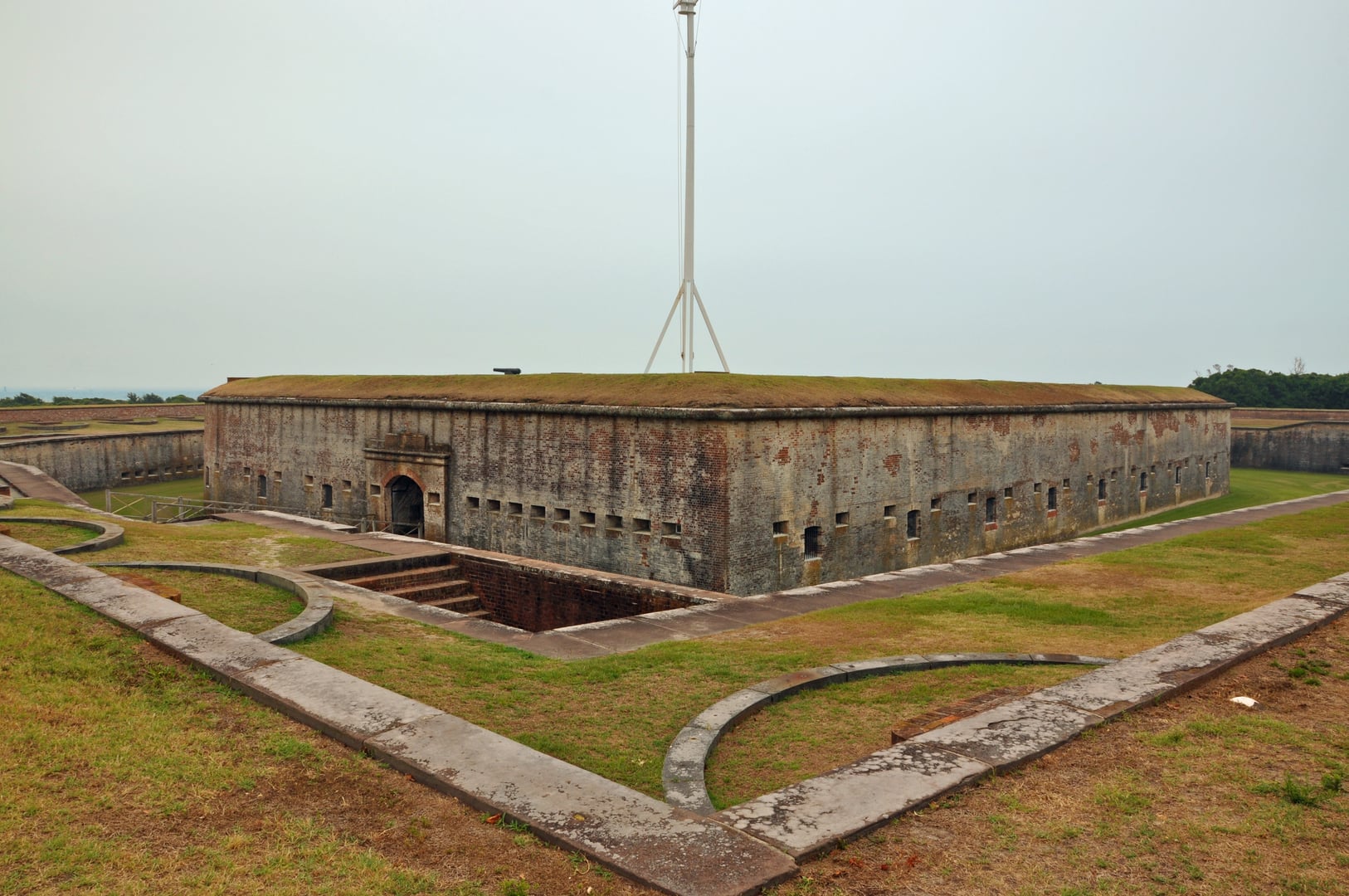
What survived the fire are three stone buildings: the powder magazine, the guardhouse, and the commissary. Approximately a dozen chimneys stand without the walls that once surrounded them, scattered across the 38-acre site. The fort was listed on the National Register of Historic Places in 1972. It sits on the Texas Forts Trail, a state-designated heritage corridor. Access is free and the site is open daily from dawn to dusk.
Sources
- https://fortphantom.org/history-overview/
- https://en.wikipedia.org/wiki/Fort_Phantom_Hill
- https://www.legendsofamerica.com/tx-fortphantom/
ApparitionsUnexplained lightsAtmospheric anomalies
The fort's name is itself a paranormal origin story. During the occupation in the early 1850s, a sentry reportedly fired at what he took to be the ghost of a Native American warrior — the incident circulated among the troops and gave the post its name before the Army had settled on an official designation.
The fort ruins themselves have generated reports over the 170 years since abandonment. In 1959, the Pritchett family discovered two unidentified figures — a man and a smaller woman — in the background of photographs taken at the fort, figures they had not seen while present. A 2008 investigation by Central Texas Ghost Search documented activity at the ruins, though specific findings were not published in detail.
The more documented tradition belongs to the adjacent Lake Fort Phantom Hill. The woman called the Lady of the Lake, identified in some accounts as Mona Bell, is associated with the lake since the 1940s. According to the account documented on the fort's official site, a man who had served in World War II returned believing Mona Bell had been unfaithful. He strangled her and threw her body into the lake. Reported manifestations include vehicle headlights flickering on and off near the water and unexplained dense fog surrounding cars parked along the shore. The site's interpretation distinguishes this tradition from the fort ruins themselves, though locals treat them as part of a connected landscape.
Notable Entities
Mona Bell (Lady of the Lake)
Where this legend is told