Est. 1852 · Buffalo Soldier Heritage · Seminole-Negro Indian Scouts · Texas Frontier Military History
The U.S. Army established Fort Clark on June 20, 1852 at Las Moras Springs, at the head of Las Moras Creek, on a site approximately 23 miles northeast of the Rio Grande. The springs had been a strategic water source used for generations by Coahuiltecan, Comanche, and Apache peoples before the army arrived.
Fort Clark functioned as a cavalry post throughout the late nineteenth century. From the late 1880s through World War I, the fort hosted nearly all of the Army's cavalry units at one time or another, including the 9th and 10th Cavalry, the segregated regiments known as Buffalo Soldiers. The Seminole-Negro Indian Scouts arrived at Fort Clark in 1872 after twenty years protecting Mexico's northern states for the Mexican Army; they served as scouts for the U.S. Army through the late 1880s and remain among the most distinctive units associated with the post.
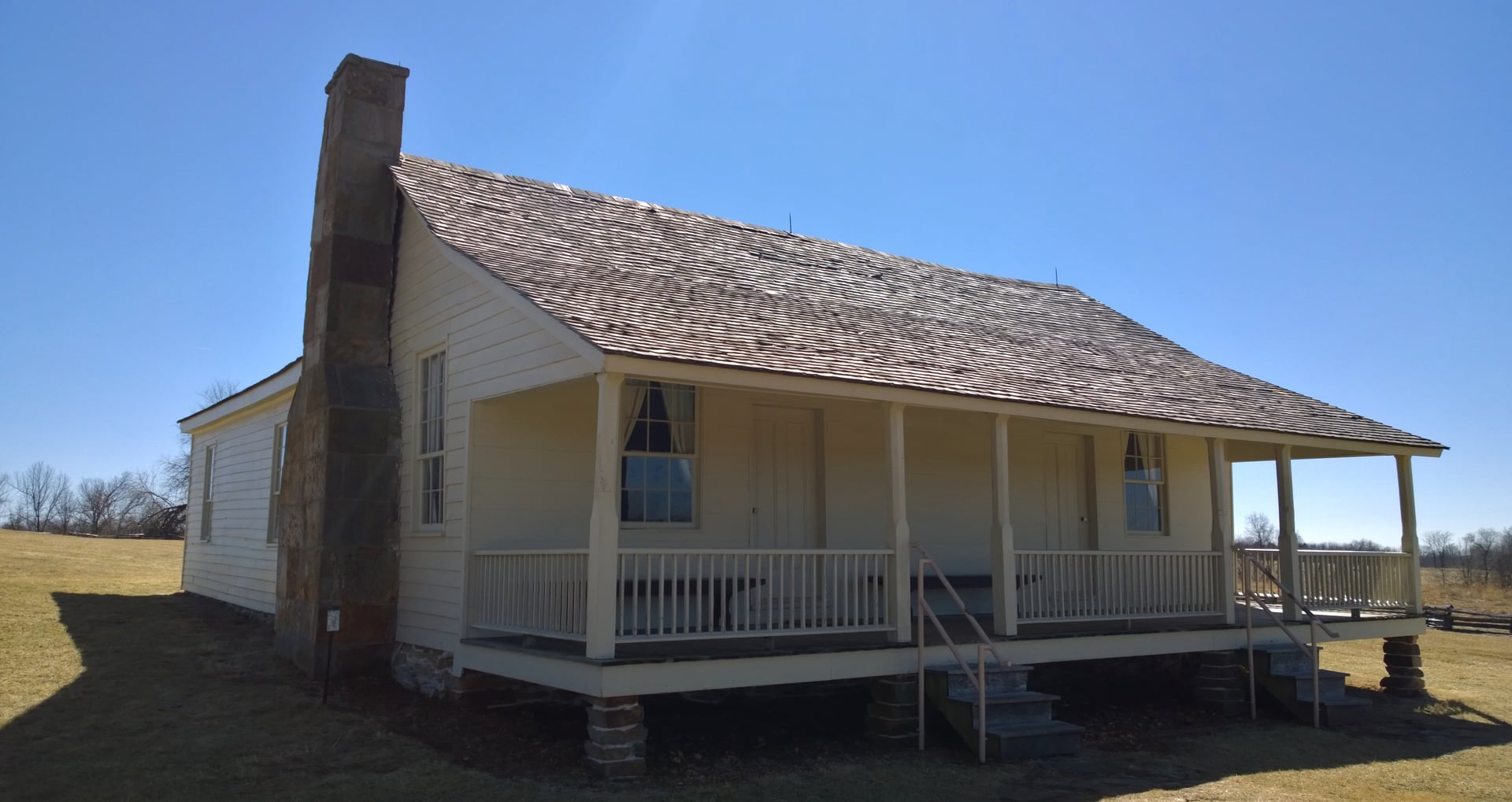
The fort continued in active use through World War II as a training and remount station before being decommissioned. The property was later purchased and converted into Fort Clark Springs, a residential and recreational community organized around the surviving historic buildings and the spring-fed swimming pool. The Fort Clark Historical Society and Museum preserves the cavalry-era buildings and operates limited weekend access for the public.
Sources
- https://www.tshaonline.org/handbook/entries/fort-clark
- https://www.fortclark.com/history
- https://authentictexas.com/the-fort-that-lives-on/
- https://texashighways.com/travel/getaways/find-a-spring-fed-pool-and-frontier-history-at-fort-clark-and-bracketville/
ApparitionsCold spotsTouching/pushing
The principal paranormal account associated with Fort Clark and the surrounding Brackettville area involves a hitchhiking woman seen along the roads near the post. According to the account, the figure asks for a ride and occasionally makes brief physical contact with the witness, sending a chill through the witness's body, before disappearing.
Independent corroboration of this specific account beyond the original Shadowlands report was not located in the sources reviewed. The folklore is consistent with the broader Texas highway hitchhiking-ghost tradition that appears in regional ghost-story compilations across the southwest.
Fort Clark itself does not market itself as haunted and does not operate paranormal investigation programming. Visitors interested in the lore are visiting a working historical museum and residential community where the ghost story is background folklore rather than the central attraction. The substantive draw is the cavalry-era military history, the Buffalo Soldier and Seminole-Negro Scout heritage, and Las Moras Springs.