Est. 1838 · Colonial Charleston Episcopal Parish · Signer Burials · Charleston Historic District
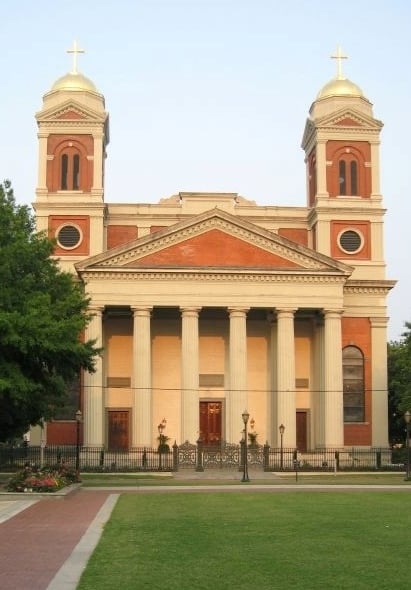
St. Philip's Episcopal Church was founded in 1681 in colonial Charles Town and is one of the oldest religious congregations in the southern United States. The first church building, completed around 1683, was destroyed by hurricane in 1710. A second church, completed in 1723 on the present Church Street site, was destroyed by fire in 1835. The current Greek Revival building was completed in 1838 and remains in active use.
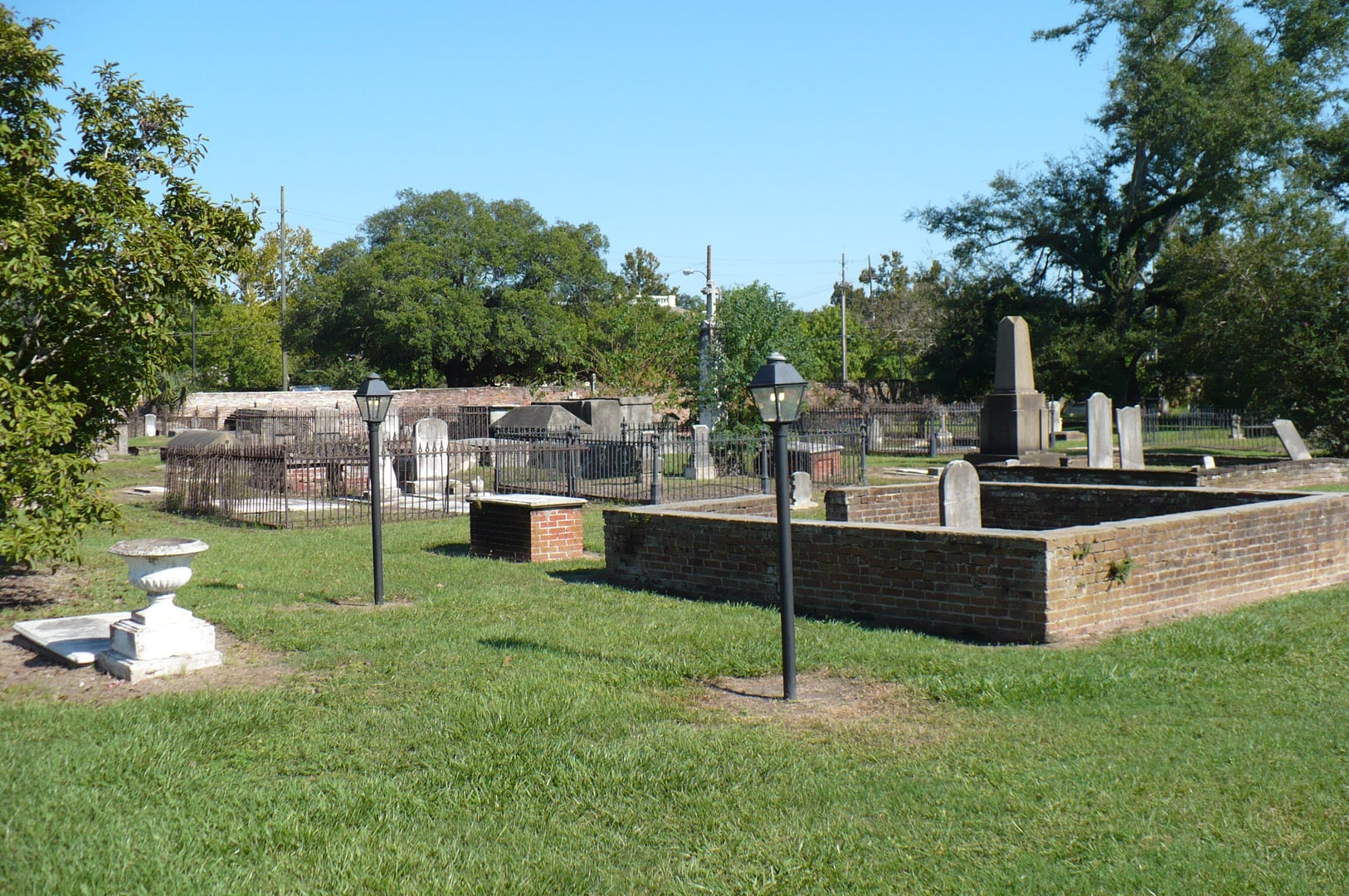
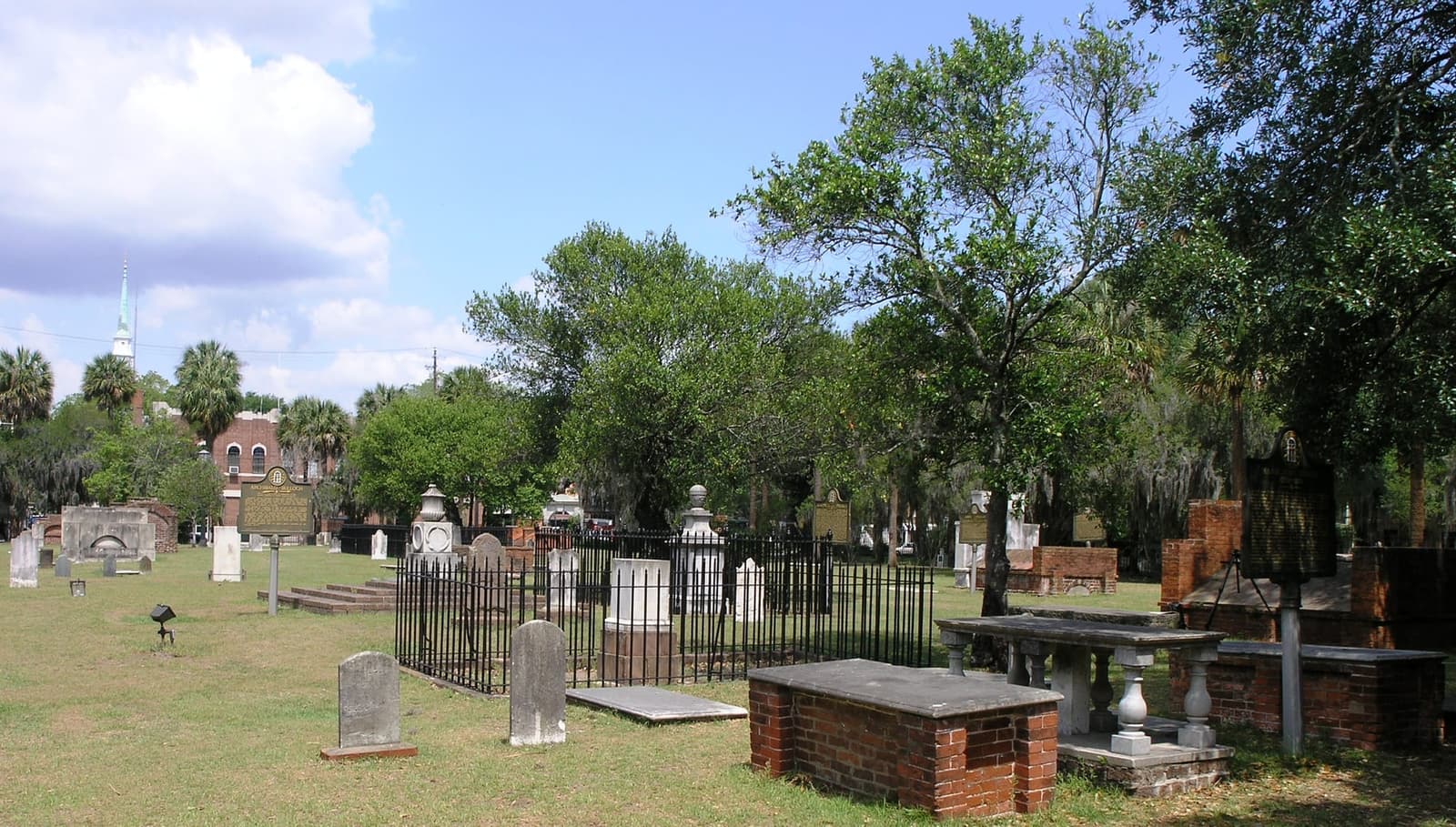
The parish maintains two graveyards across Church Street from one another. The East graveyard, attached to the church proper, has been used for burials since the early 18th century. The West graveyard, on the opposite side of Church Street, was added in the 19th century when the East side filled. The parish considers them parts of a single graveyard separated by the street.
Notable interments include John C. Calhoun (1782-1850), the South Carolina senator and vice president; Edward Rutledge (1749-1800), the youngest signer of the Declaration of Independence and governor of South Carolina; Charles Pinckney (1757-1824), signer of the U.S. Constitution; and Robert Y. Hayne (1791-1839), senator and orator. Susan Howard Hardy ("Sue Howard"), buried with her stillborn infant son in the West graveyard, is the subject of the cemetery's central paranormal narrative.
The churchyard and cemetery are generally open during church office hours and on Sundays during worship; hours can change for weather, maintenance, funerals and other circumstances. The parish requests visitor respect, particularly for the older infant and child stones in the West graveyard.
Sources
- https://scaresandhauntsofcharleston.wordpress.com/2012/03/13/the-photograph-of-sue-howard-hardy/
- https://genteelandbard.com/southern-history-haunts-folklore-journal/2022/10/12/the-mourning-ghost-of-sue-howard-hardy
- https://www.southernspiritguide.org/a-holy-ghost-at-st-philips/
- https://charlestonterrors.com/st-philips-graveyard/
- https://hauntpedia.com/haunted-places/state/south-carolina/st-philips-church-graveyard-haunted-cemetery-in-charleston-south-carolina/
- https://theresashauntedhistoryofthetri-state.blogspot.com/2014/07/south-carolinas-forgotten-ghost-photo.html
ApparitionsCold spotsTouching/pushing
The Sue Howard Hardy photograph is the cemetery's signature paranormal narrative. On June 10, 1987, Charleston native and amateur photographer Harry Reynolds was walking the West graveyard of St. Philip's, photographing the older stones on a sunny afternoon. One of his images, developed afterward, appeared to show a transparent shawled figure on hands and knees beside an infant's stone, in a posture local commentators describe as mourning.
Reynolds submitted the negative and print to Kodak for analysis. Kodak's examiners reportedly could not identify a technical explanation for the figure in the frame. The photograph has been published in numerous paranormal-photography collections and continues to circulate as an iconic example of the genre.
The figure has been identified by local researchers as Sue Howard Hardy. Howard's stillborn son was buried in the West graveyard on June 10, 1888 — ninety-nine years to the day before Reynolds took his photograph. Howard herself died six days later, on June 16, 1888, in circumstances that local historians have variously described as illness and grief; she was buried near her son.
Reported phenomena at the West graveyard since the 1987 photograph include occasional cold spots near the Hardy stones, a sense of weight or pressure described by visitors near the infant's grave, and additional photographic anomalies submitted to local paranormal-research groups. Reports remain largely individual and anecdotal rather than the subject of formal investigation.
The parish itself does not promote or comment on the paranormal lore. The graveyards' interpretive emphasis remains the parish's three-century role in Charleston civic life.
Notable Entities
Sue Howard Hardy
Media Appearances
- Featured in numerous paranormal-photography collections and Charleston ghost-tour narratives