Est. 1798 · Spanish Colonial Florida · Yellow Fever Epidemic of 1877 · Multiple-Flag Amelia Island History · Tabby Wall Construction
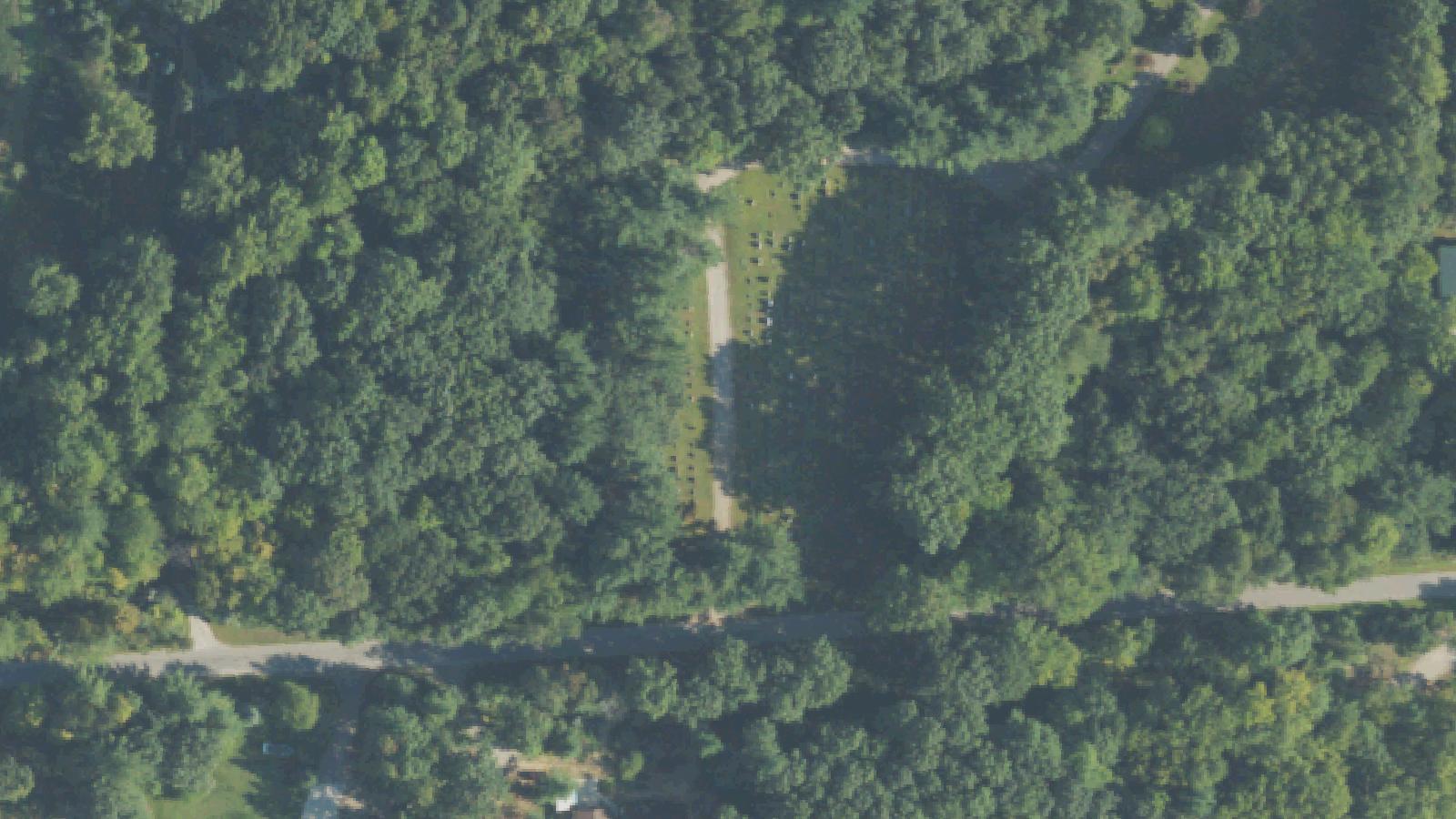
Bosque Bello Cemetery was established in 1798, when Fernandina lay within the Spanish province of East Florida. The land formed part of a Spanish land grant issued to Domingo Fernandez, who donated the parcel to the city in the early 1800s for burial use. The cemetery's name — "beautiful woods" — reflects its setting under a canopy of live oaks, with Spanish moss draping the older sections.
The oldest legible grave belongs to French soldier Peter Bouissou de Nicar, dated 1813. Subsequent decades layered burials reflecting the island's unusually complex political history. Amelia Island passed through eight different flags in the early 19th century — Spanish, French, English, Patriot, Green Cross of Florida, Mexican Republic, Confederate, and American — and the cemetery's markers reflect that turnover. Revolutionary War and Civil War veterans rest in marked sections. The Sisters of Saint Joseph, French Catholic nuns who arrived in Fernandina to teach the children of formerly enslaved families after the Civil War, are buried in a marked Catholic plot. Several of the sisters died nursing Yellow Fever victims during the 1877 epidemic that struck the port heavily.
Notable later burials include Sollecito Salvador, the Sicilian immigrant remembered as the father of Fernandina's shrimping industry, and Domingo Acosta, who served as Old Fernandina's first postmaster in 1821. Sections of the cemetery are still bordered by tabby walls — a Lowcountry construction of oyster shells, lime, and sand — which give the older plots a distinctly coastal Southern texture.
The cemetery remains an active municipal burial ground maintained by the City of Fernandina Beach, with a volunteer Friends of Bosque Bello group supporting documentation and preservation.
Sources
- http://www.fbfl.us/1081/Bosque-Bello-Cemetery
- https://www.atlasobscura.com/places/bosque-bello-cemetery
- https://ameliaislandliving.com/fernandinabeach/2009/10/r-i-p-bosque-bello-cemetery-fernandina-beach/
Phantom soundsPhantom smellsCold spotsResidual haunting
The cemetery's paranormal reputation circulates largely through Amelia Island ghost-tour operators rather than formal investigations. Local tradition centers on the older Spanish-era and Catholic sections, particularly the plot holding the Sisters of Saint Joseph who died during the 1877 Yellow Fever epidemic. Tour guides describe reports of phantom singing and the smell of incense near the sisters' graves at twilight.
The oak-shaded older section, with its weathered tabby walls and the 1813 marker for Peter Bouissou de Nicar, draws additional reports of cold spots and the impression of being watched while alone among the older stones. None of these accounts has been independently corroborated by the Friends of Bosque Bello Cemetery or the city, which maintain the site primarily as an active historical burial ground.