Clarendon County History · Santee Cooper Country Folklore
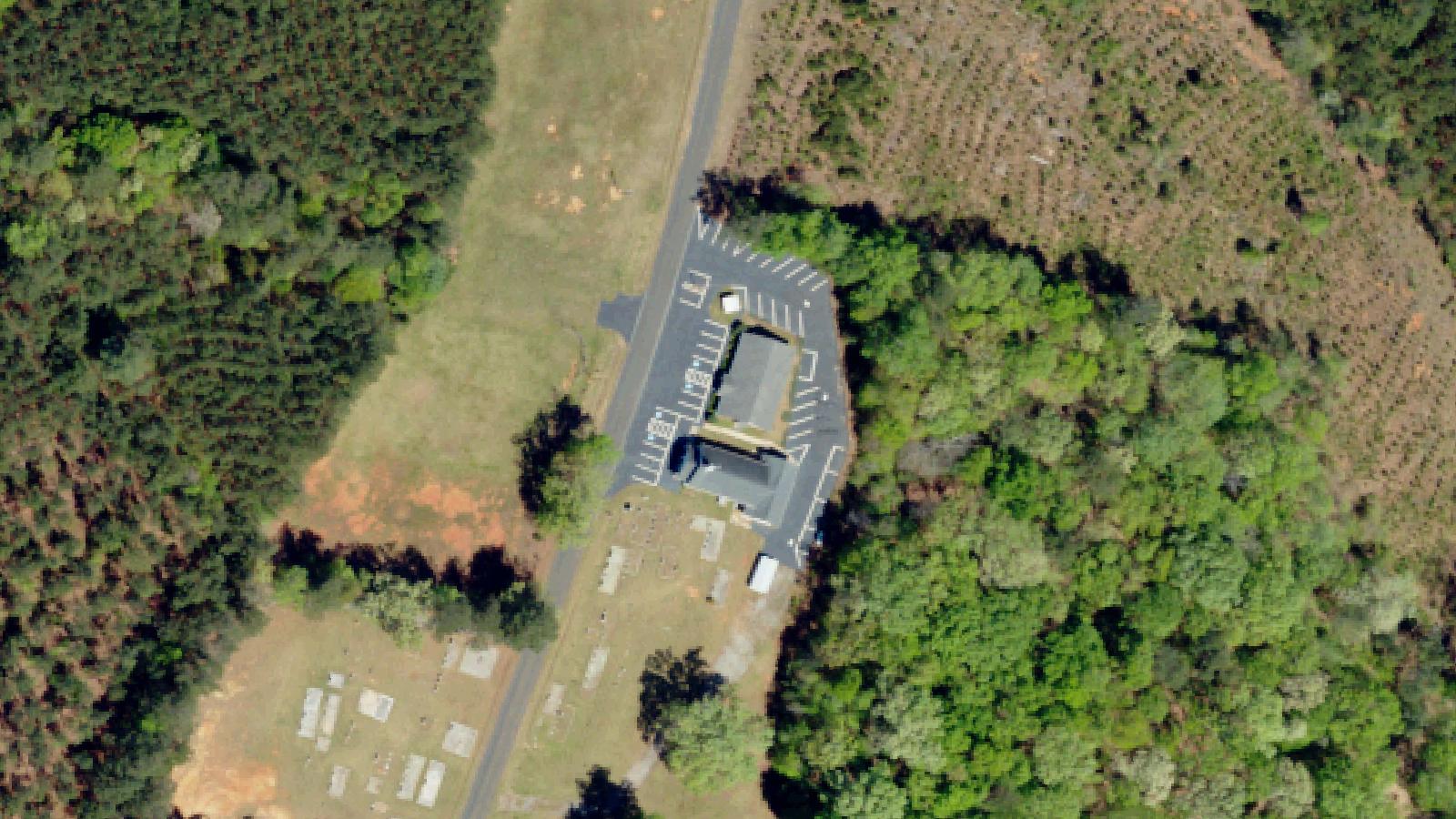
Manning Cemetery in Clarendon County occupies a location near a sharp road curve in the Manning area of South Carolina's Santee Cooper Country — the lowland region along the Santee and Cooper river systems. The cemetery appears in Find a Grave records and Clarendon County genealogical databases but lacks an individual Wikipedia or historical society entry documenting its founding date, notable burials, or specific history.
The Santee Cooper Country region carries a substantial folklore tradition, documented in local ghost story collections that note multiple sites of roadside supernatural phenomena across Clarendon, Berkeley, and Calhoun counties. The 'Dead Man's Curve' designation for the road segment near the cemetery is a piece of local naming that suggests the curve's history as a traffic hazard predates the current ghost story.
The land for Manning Cemetery was donated for public use by Dr. John Isaac Ingram, sometimes referred to as 'The Father of Clarendon County.' Clarendon County itself was named for Edward Hyde, Earl of Clarendon, one of the Lords Proprietors of Carolina. The county was reorganized in 1857 when it was split from Sumter District, with Manning serving as the county seat. The cemetery currently contains 3,276 documented memorials.
Sources
- https://www.findagrave.com/cemetery/70595/manning-cemetery
- https://summerton-sc.blogspot.com/2018/02/ghosts-and-haunted-homes-of-santee.html
- https://www.geni.com/projects/Manning-Cemetery-Manning-Clarendon-County-South-Carolina/4486682
- http://www.clarendoncounty.sc.gov/index.php/about-us/clarendon-county-history
ApparitionsResidual haunting
The legend centers on grief and an unfulfilled vigil. A man's son was struck and killed by a vehicle at the sharp curve near the cemetery. The father, in his grief, began keeping watch at the roadside — sitting in a rocking chair at the edge of the curve, waiting for the driver who caused his son's death to pass by again. He sat there across enough years that the waiting itself became his defining purpose. He died without the driver returning.
His figure is reported sitting in the rocking chair on certain nights, still present at the curve, still watching the road.
The account follows a grief-based residual haunting pattern common throughout the Santee Cooper Country region: a person so defined by their vigil or their sorrow in life that the act continues after death. The specific detail of the rocking chair — a piece of domestic furniture placed in a public, outdoor setting — gives the account an incongruous specificity that distinguishes it from generic roadside ghost stories.
Notable Entities
The Grieving Father