Est. 1794 · Civil War Cemetery · Historic Baptist Church · Rural Piedmont Heritage
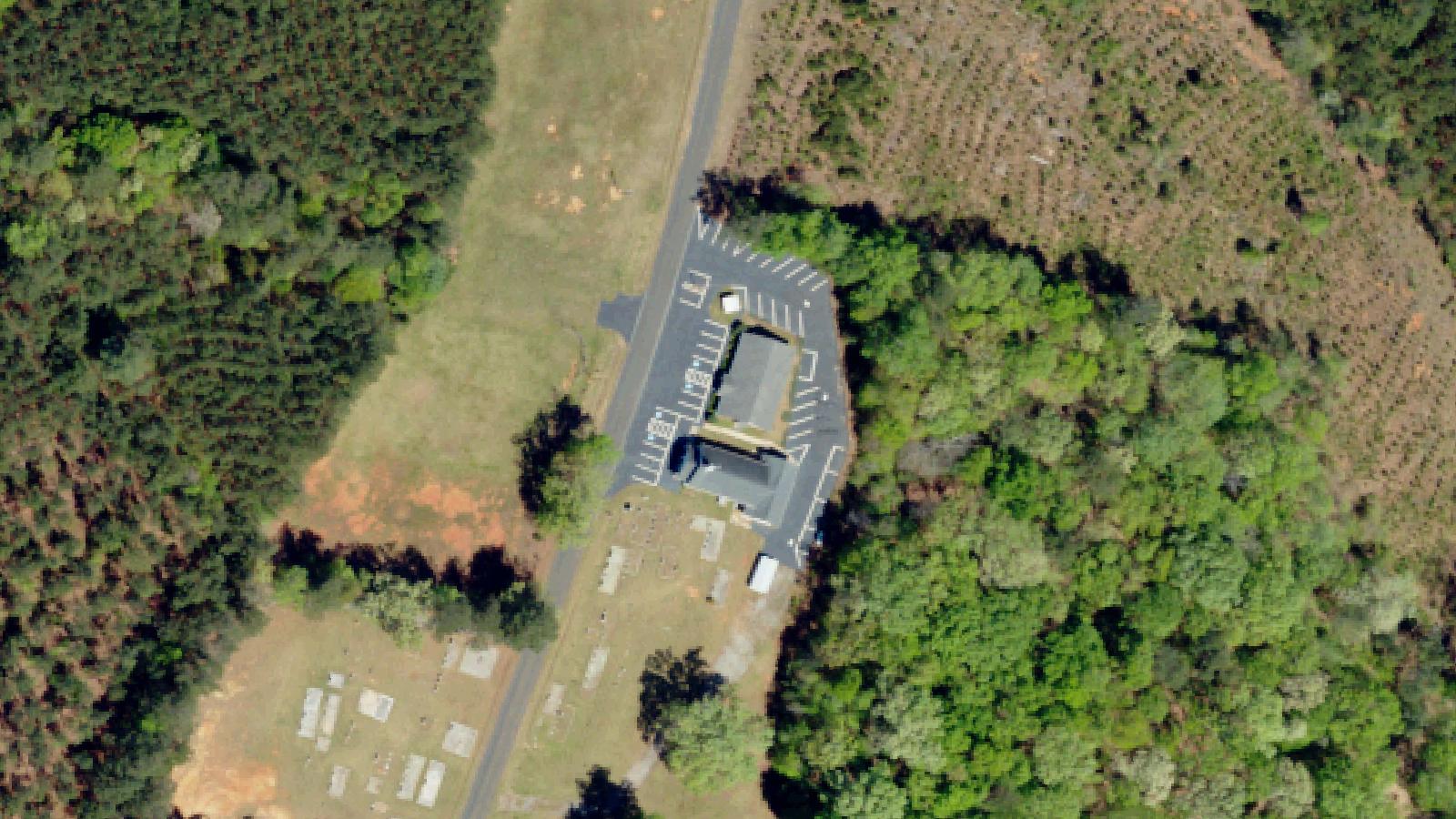
Bethabara Baptist Church represents a thread in South Carolina's religious and community fabric spanning over two centuries. Established in 1794, during the post-Revolutionary War period of denominational expansion across the American South, the church was founded by Elder John Waller, Richard Shackleford, and David Lilly on land in Laurens County's rolling piedmont. The congregation built a simple chapel and adjacent burial ground, a pattern typical of rural Baptist communities establishing permanent spiritual infrastructure.
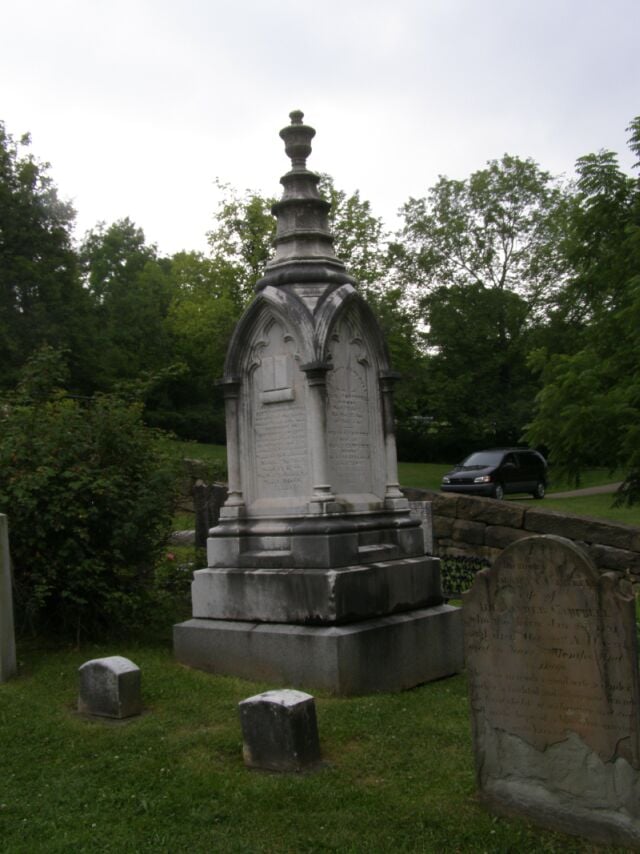
During the American Civil War, the Laurens County region experienced significant military engagement as Union forces advanced through South Carolina. The cemetery's graves from the 1860s reflect this period—soldiers from both Union and Confederate forces fell in skirmishes and campaigns throughout the region. Many were buried in local cemeteries like Bethabara, their graves marked with simple crosses, headstones, and iron markers. The cemetery evolved as the community's principal repository of collective memory: births, deaths, marriages, epidemics, and military casualties across 230 years.
Today, Bethabara Baptist Church and its cemetery remain active. The grounds are maintained by the church community, and the cemetery is accessible to visitors and genealogical researchers. The 218 documented graves represent a cross-section of rural South Carolina life—farmers, merchants, ministers, soldiers, and their families—a tangible archive of regional history.
Sources
- https://www.findagrave.com/cemetery/69493/bethabara-baptist-church-cemetery
Lights flickeringPhantom lights
Among the 218 graves in Bethabara's cemetery, one particular burial site holds the community's collective attention: the grave of a Civil War soldier marked by a simple iron cross. This grave has become the locus of persistent paranormal reports centered on a singular phenomenon—luminescence.
Approximately three times per year, the iron cross is reported to glow with light that has no apparent source: not reflected moonlight, not bioluminescent organisms, but an intrinsic radiance emanating from the aged metal itself. The glow persists for periods ranging from minutes to hours, consistently reported by cemetery visitors and neighborhood witnesses. More remarkable still, witnesses describe the cross shifting through multiple colors before returning to its natural rust-brown patina—a chromatic sequence that occurs with no chemical or physical intervention.
The timing of these luminescent events appears irregular, lacking a predictable calendar pattern, though documentation suggests clustering around spring and autumn equinoxes. Whether motivated by the soldier's unresolved death, unfulfilled service, or a geological or environmental phenomenon specific to this burial site, the glowing cross has become emblematic of Civil War-era unrest manifesting in South Carolina's most sacred grounds. The phenomenon remains unexplained by conventional scientific inquiry, and the cemetery has become a destination for paranormal investigators and local history enthusiasts seeking to document the event.
Notable Entities
The Civil War Soldier