The Land of Moses represents a contested historical space in regional folklore—a landscape where documented history and local legend diverge substantially. The narratives surrounding this area are best understood as folklore rather than established historical fact, though they carry genuine cultural significance within the region.
According to oral tradition, a conflict erupted in the early 1900s between farmers in the DeKalb County area and a Romani population who had encamped near the Indiana-Ohio border. The traditional account describes a crime of violence against a farmer's family, prompting a retaliatory response from the agricultural community. Over the subsequent decade, according to the folklore, the farmers involved in the retaliation suffered deaths—described in the legend as systematic and violent, allegedly by axe.
Following these deaths, the woodland became associated with paranormal manifestations. The forest was reported as the location where the farmers' bodies were discovered, making the landscape itself a location of tragic history and alleged spectral activity.
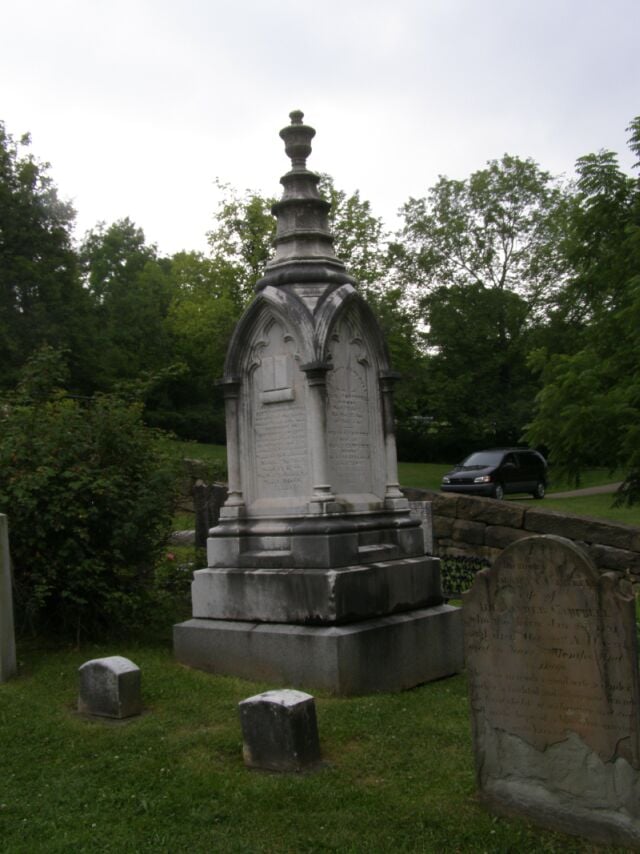
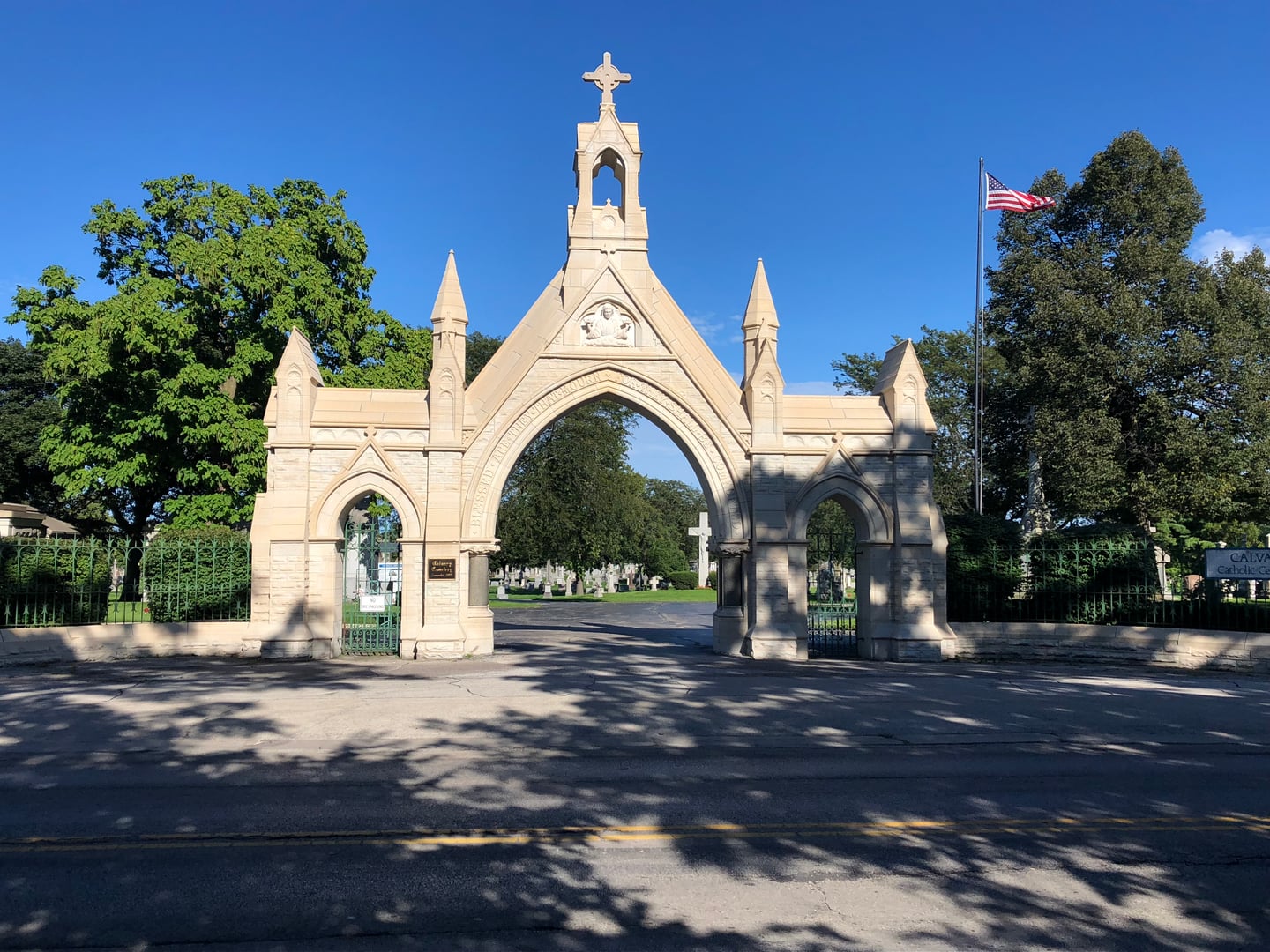
Contemporary reports from the cemetery focus on auditory phenomena. Visitors and paranormal investigators have documented reports of voices and cries emanating from the cemetery area, particularly near the crematorium structure during evening and night hours. These accounts describe the sounds as anguished and disembodied rather than identifiable human voices. The cemetery's reputation has grown to the point that local tradition discourages solitary visits, particularly at night.
The broader area maintains an atmospheric reputation distinct from the paranormal claims. The dense forest, extreme darkness even during daylight hours, and isolation from populated areas create sensory conditions conducive to psychological unease and folklore elaboration. Whether reported phenomena originate from paranormal sources, environmental factors, or the psychological impact of a place's reputation remains subject to interpretation.
The legend persists despite limited documentary evidence substantiating the historical events described. This persistence reflects how landscapes become repositories for regional trauma narratives, whether those narratives have literal historical basis or represent cultural anxieties expressed through folklore.